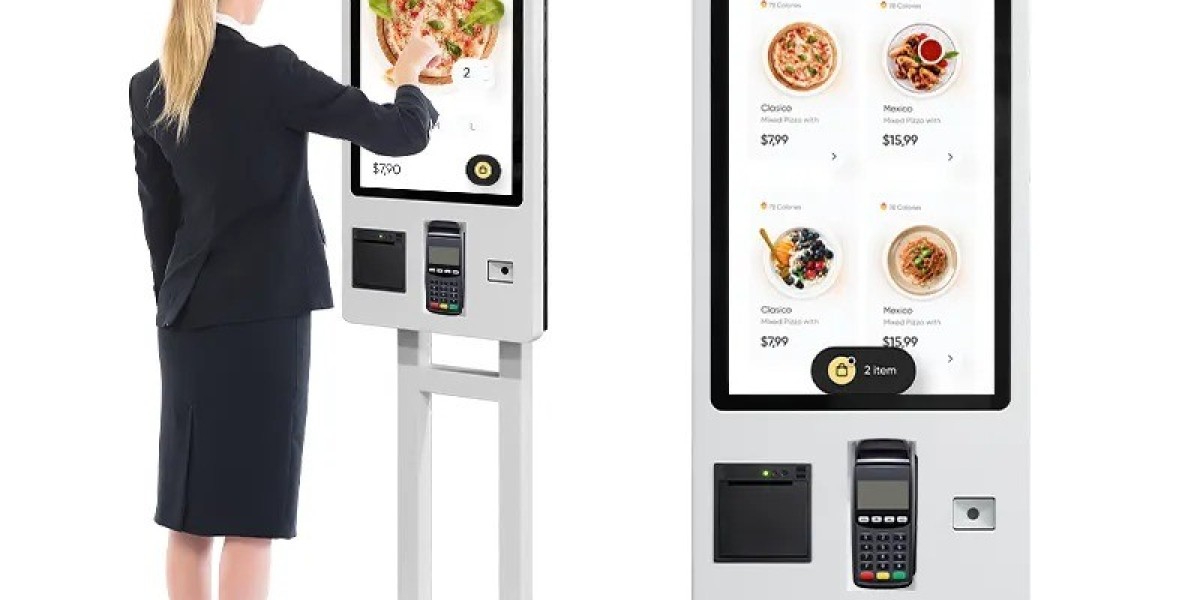

Saudi Arabia’s economy is rapidly evolving as digital innovation becomes central to business operations and public services. One technology gaining widespread adoption is the self-service kiosk. From urban malls to government facilities, these systems are redefining how people access services in a fast-paced, technology-driven society.
A Growing Demand for Automation in the Kingdom
As Saudi Arabia advances its Vision 2030 objectives, automation has become a strategic priority. Businesses and institutions are under increasing pressure to deliver faster, more efficient services while maintaining high standards of accuracy. Self-service kiosks answer this demand by automating routine processes and reducing service bottlenecks.
A kiosk machine enables organizations to offer consistent service quality without being constrained by staffing limitations or operating hours.
Meeting the Needs of a Digitally Savvy Population
Saudi Arabia has one of the highest smartphone penetration rates in the region, creating a population that is comfortable with digital interfaces. Self-service kiosks mirror the familiar experience of mobile apps, making them easy to adopt for users of all ages.
Key benefits for users include:
Faster service completion
Reduced waiting times
Clear step-by-step guidance
Greater control over transactions
This user-centric approach has made kiosks a preferred option in high-traffic environments.
Strengthening Service Delivery in Retail and Hospitality
Retail stores and hospitality businesses are among the biggest adopters of kiosk technology. Self-service systems allow customers to browse products, customize orders, and complete payments independently. A kiosk machine also reduces order errors and improves upselling opportunities through smart recommendations displayed on-screen.
For businesses, this translates into higher transaction volumes and improved customer satisfaction.
Enhancing Accessibility in Public and Government Services
Public sector organizations in Saudi Arabia are leveraging self-service kiosks to improve accessibility and transparency. These kiosks provide citizens and residents with convenient access to essential services such as document requests, fee payments, and information retrieval.
By decentralizing service access, government kiosks help reduce congestion in offices and support nationwide digital inclusion.
Operational Efficiency and Resource Optimization
Self-service kiosks play a crucial role in optimizing operational workflows. By handling repetitive tasks, they minimize manual workloads and allow staff to focus on tasks that require human judgment and interaction.
From an operational standpoint, a kiosk machine offers:
Lower long-term service costs
Faster transaction processing
Consistent performance during peak hours
These advantages make kiosks a sustainable solution for long-term growth.
Supporting Smart Cities and Future Innovation
Saudi Arabia’s smart city initiatives, including large-scale urban developments, rely heavily on integrated digital systems. Self-service kiosks fit seamlessly into this ecosystem by connecting physical locations with digital platforms.
Future kiosks are expected to incorporate artificial intelligence, voice recognition, and real-time data analytics, further enhancing personalization and service accuracy.
Conclusion
The widespread adoption of self-service kiosks in Saudi Arabia reflects a broader shift toward efficiency, innovation, and customer empowerment. As businesses and public institutions continue to modernize, the role of the kiosk machine will only expand, supporting the Kingdom’s vision of a fully connected and digitally enabled economy.
Self-service kiosks are no longer optional tools — they are becoming a core component of Saudi Arabia’s service infrastructure.