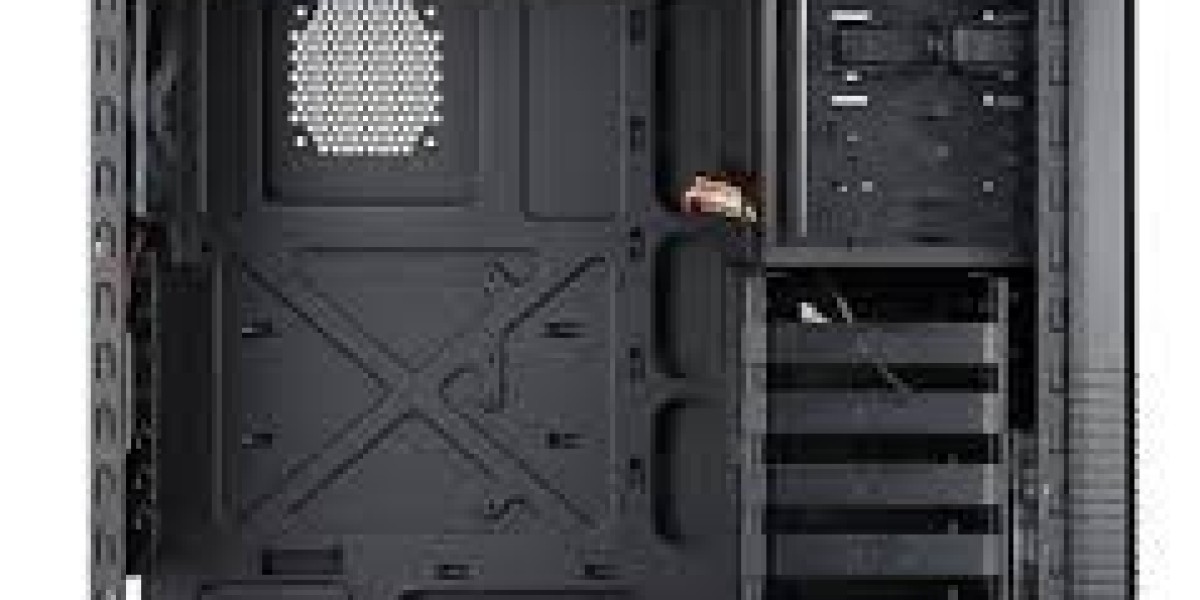

Chassis Components play a critical role in the overall design and reliability of electronic and mechanical systems. Acting as the backbone, they provide the physical framework that holds all internal parts together while protecting them from external damage. Whether in servers, desktops, or industrial equipment, a well-designed chassis directly impacts performance and lifespan.
The Role of Chassis Components in System Stability
System stability depends heavily on the quality and precision of its chassis. Chassis Components are engineered to support internal hardware, manage weight distribution, and minimize vibration. This structural integrity ensures that sensitive components remain secure during operation, transportation, and long-term use. In high-performance environments, even slight improvements in chassis design can lead to noticeable gains in reliability.
How Chassis Components Support Cooling and Airflow
Efficient thermal management is another key function of a chassis. Thoughtfully designed Chassis Components allow proper airflow, helping heat dissipate evenly throughout the system. This prevents overheating and reduces stress on internal parts. Midway through any advanced system build, engineers often prioritize Chassis Components to balance cooling efficiency with compact design.
Material and Design Considerations
Modern chassis solutions use materials such as steel, aluminum, and reinforced alloys to achieve strength without unnecessary weight. The design of Chassis Components also focuses on modularity, making installation, upgrades, and maintenance easier. Precision-cut panels, mounting rails, and reinforced frames all contribute to a system that performs consistently under demanding conditions.
Why Quality Chassis Components Matter
Investing in high-quality Chassis Components leads to better protection, improved airflow, and enhanced system longevity. A robust chassis reduces the risk of physical damage, supports optimal hardware alignment, and maintains consistent performance over time. For businesses and professionals, this translates into fewer failures and lower maintenance costs.
Conclusion
Chassis Components are far more than just an outer shell. They are a fundamental part of system performance, safety, and efficiency. By choosing well-designed and durable chassis solutions, users ensure their systems remain stable, cool, and reliable for years to come.