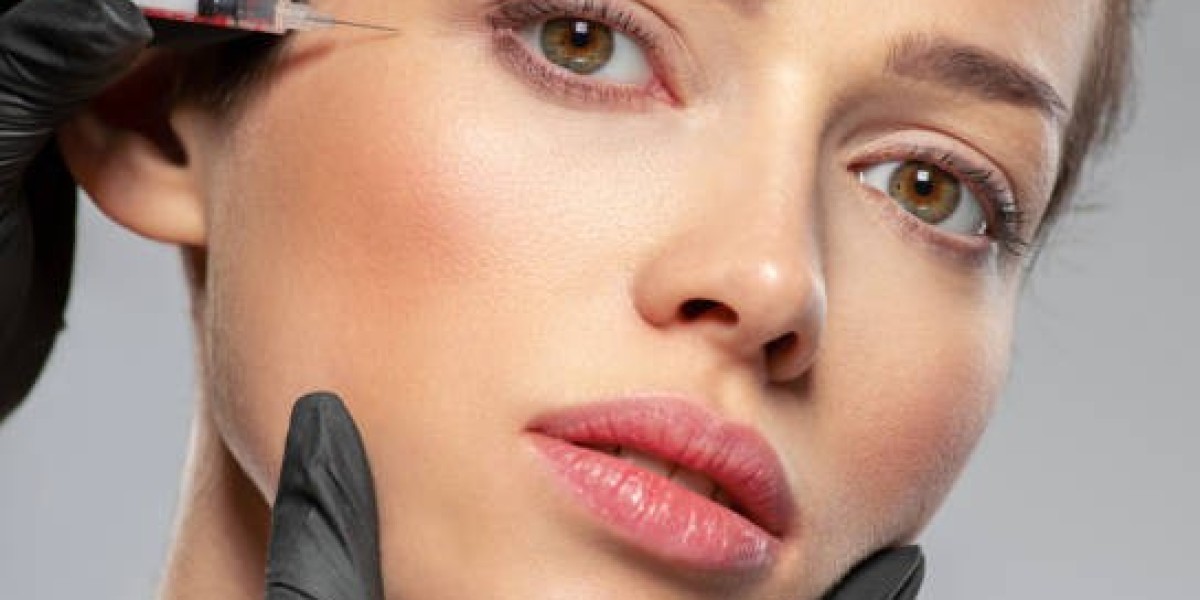

Imagine achieving that coveted youthful glow with a treatment that works like magic under the skin, stimulating your body's own collagen for natural, long-lasting results. Sculptra Filler in Riyadh has become a go-to for many seeking subtle facial rejuvenation without the overdone look. But before diving into sessions, it's crucial to know if it's the right fit for you. This guide uncovers who should steer clear of sculptra riyadh, explores key contraindications, and lays out essential safety guidelines to ensure informed decisions. Whether you're eyeing volume restoration or wrinkle smoothing, understanding these factors keeps your aesthetic journey safe and effective.
What Is Sculptra Filler and How Does It Work?
Sculptra Filler is an injectable made from poly-L-lactic acid (PLLA), a biocompatible substance that kickstarts collagen production deep within the dermis. Unlike traditional hyaluronic acid fillers that plump instantly, Sculptra Filler in Riyadh delivers gradual improvements over weeks to months, mimicking your skin's natural aging reversal process. Injected strategically into areas like cheeks, temples, or nasolabial folds, it forms a framework that encourages fibroblasts to generate new collagen fibers.
This mechanism sets it apart, offering results that can last up to two years with proper maintenance. Patients love how it restores lost volume from aging, weight loss, or sun damage, creating a refreshed yet authentic appearance. Think of it as investing in your skin's future—subtle sessions build resilience, making it ideal for those tired of temporary fixes.
Who Is the Ideal Candidate for Sculptra Filler?
Picture someone in their 30s to 60s noticing early signs of hollowing cheeks or deepening smile lines, eager for a non-surgical boost. Ideal candidates are generally healthy adults with realistic expectations, good skin elasticity, and no active skin issues. They seek natural enhancement over dramatic change, understanding that multiple sessions (typically 2-3 spaced four to six weeks apart) yield the best outcomes.
Those with moderate facial volume loss from lifestyle factors or genetics often rave about the transformative yet understated effects. Active lifestyles fit perfectly too, as downtime is minimal—just a day or two of possible swelling. If you're proactive about anti-aging, Sculptra Filler aligns with your goals, turning back the clock without anyone noticing the "work."
Absolute Contraindications: Who Should Completely Avoid It
Not everyone is a match, and ignoring this risks complications. People with a known hypersensitivity or allergy to poly-L-lactic acid or any component must skip it entirely—reactions could range from mild irritation to severe inflammation. Active infections or inflammation at the injection site, like acne cysts or cold sores, demand a wait until fully healed.
Those with a history of keloid scarring or hypertrophic scars face higher risks of abnormal healing responses. Bleeding disorders, such as hemophilia, or current use of blood thinners without medical clearance amplify bruising and hematoma chances. Pregnant or breastfeeding individuals should avoid it due to unstudied effects on the fetus or infant. Finally, anyone under 18 lacks sufficient data, making it off-limits.
These red flags protect your health first—consulting a qualified provider ensures you're not in this group before proceeding.
Relative Contraindications: Proceed with Extra Caution
Some conditions allow Sculptra Filler with tweaks, but vigilance is key. Autoimmune diseases like lupus or rheumatoid arthritis may heighten immune responses, potentially affecting PLLA breakdown—close monitoring is essential. Diabetes patients, especially with poor glycemic control, heal slower, increasing infection risks.
Immunosuppressed individuals on medications like chemotherapy face delayed collagen response and higher complication rates. Recent facial procedures, such as laser resurfacing or chemical peels within two weeks, require postponement to avoid uneven absorption. Smokers might see diminished results due to impaired collagen synthesis, but quitting boosts efficacy.
In these cases, a thorough medical review customizes the approach, balancing benefits against risks for safer sessions.
Common Side Effects and How to Spot Serious Reactions
Most experience mild, temporary effects like redness, swelling, or tenderness at injection sites, fading in 1-7 days. Small lumps or nodules can form as collagen builds but usually resolve naturally. Bruising is common, especially in thinner-skinned areas, but makeup conceals it quickly.
Watch for serious signs: persistent pain, significant asymmetry, or signs of infection like pus or fever. Vascular occlusion—rare but critical—involves blocked blood flow; immediate intervention prevents tissue damage. Allergic reactions manifest as hives or breathing issues, demanding urgent care.
Knowing these empowers quick action, turning potential issues into minor bumps on your rejuvenation road.
Pre-Treatment Safety Guidelines for Best Results
Preparation maximizes safety and outcomes. Disclose your full medical history, allergies, and medications during consultation—honesty prevents surprises. Avoid alcohol, aspirin, NSAIDs, and supplements like vitamin E or fish oil for 7-10 days pre-treatment to minimize bruising.
Stay hydrated and maintain a gentle skincare routine, skipping exfoliants or retinoids near the date. Sun protection is non-negotiable; UV exposure heightens sensitivity. Arrange a trusted ride home, as minor swelling might blur vision temporarily.
These steps set the stage for smooth sailing, ensuring your skin responds optimally to the collagen boost.
Post-Treatment Care: Ensuring Long-Lasting Safety
Aftercare locks in results while safeguarding against issues. Apply ice wrapped in cloth for 10-15 minutes hourly the first day to curb swelling. Gentle massage in circular motions, as instructed (typically 5 minutes, 5 times daily for 5 days), disperses the product evenly, preventing nodules.
Skip strenuous exercise, saunas, or facials for 48 hours. Use mild cleansers and broad-spectrum sunscreen daily to protect healing skin. Hydrate well and eat collagen-rich foods like bone broth to support internal rebuilding.
Follow-ups confirm progress, allowing adjustments for peak natural volume.
Lifestyle Factors That Impact Sculptra Filler Safety
Your habits influence success. Smoking constricts blood vessels, starving skin of nutrients needed for collagen production—quitting amplifies longevity. A nutrient-dense diet with proteins, vitamins C and E fuels fibroblasts effectively.
Chronic stress elevates cortisol, potentially slowing healing; mindfulness practices help. Consistent sleep regulates hormones for optimal skin repair. Moderate alcohol is fine post-recovery, but excess dehydrates and impairs results.
Embracing these tweaks not only enhances Sculptra Filler effects but elevates overall skin vitality.
When to Seek Immediate Medical Attention
Trust your instincts—if something feels off, act fast. Severe pain unrelieved by ice, vision changes, or half-face numbness signal emergencies like vascular compromise. Spreading redness, warmth, or fever suggests infection.
Uncontrolled swelling or breathing difficulties warrant an ER visit. Document symptoms with photos for your provider. Early intervention preserves outcomes and prevents escalation.
Peace of mind comes from knowing when to pause and prioritize health.
Ready to Explore If Sculptra Filler Is Right for You?
Safety starts with knowledge, empowering confident choices for radiant, natural rejuvenation. If contraindications don't apply, Sculptra Filler could be your game-changer.
Book an appointment for a consultation at Enfield Royal Riyadh today to discuss your suitability with experts tailored to your needs.
FAQs
Q1: Can I get Sculptra Filler if I have fillers already?
A: Yes, but wait 2-4 weeks post other injectables; sequencing prevents interactions for smoother integration.
Q2: Is Sculptra Filler safe for sensitive skin types?
A: Generally yes, with its biocompatible formula, but patch testing and gentle aftercare minimize irritation risks.
Q3: How soon after Sculptra Filler can I travel?
A: Wait 24-48 hours for swelling to subside; avoid long flights initially to reduce pressure-related complications.
Q4: Does Sculptra Filler interact with oral medications?
A: Blood thinners do—in pause them as advised; always review your full regimen pre-treatment.
Q5: What if I develop nodules after Sculptra Filler?
A: Common and often self-resolve; massage helps, but consult for steroid injections if persistent beyond weeks.