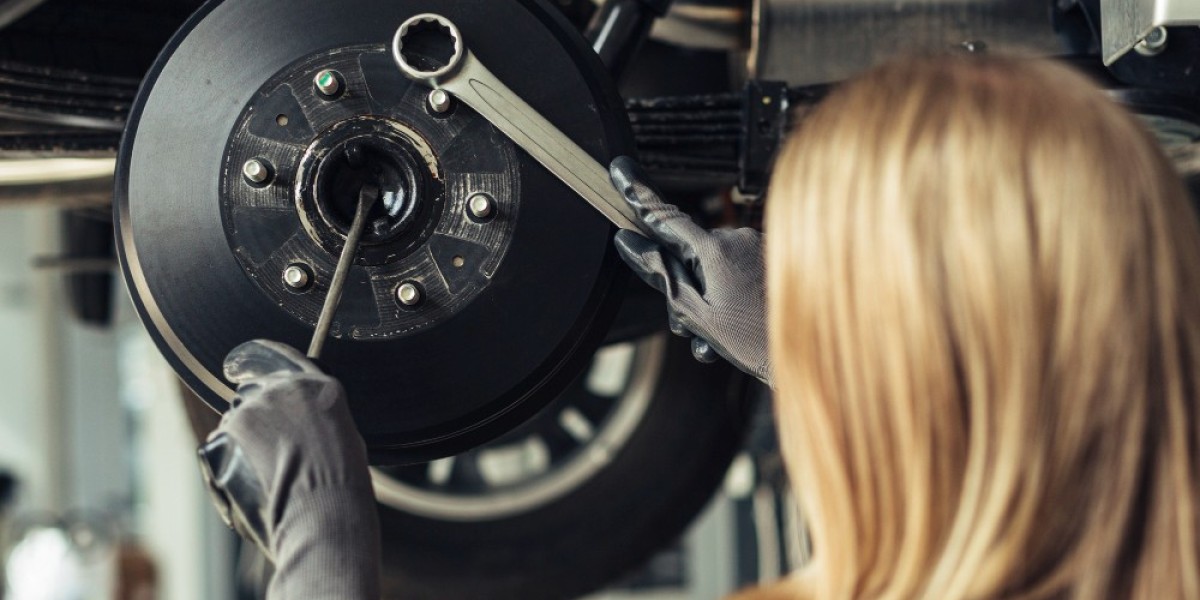

Strange humming noises, vibration through the steering wheel, or uneven tire wear are not just minor annoyances—they’re warning signs of a failing hub bearing. This small but critical component supports the wheel assembly and ensures smooth rotation. When it starts to wear out, vehicle stability, braking performance, and overall safety are compromised. Addressing hub bearing issues early helps prevent serious damage and costly repairs.
Why Hub Bearing Failure Happens Faster Than Expected
Hub bearings operate under constant stress, carrying the weight of the vehicle while enduring road shocks, moisture, and heat. Poor-quality materials, contamination, and lack of proper sealing accelerate wear and lead to premature failure.
A properly engineered hub bearing is designed to withstand these harsh conditions, maintaining wheel alignment and ensuring consistent performance over long driving distances.
How a Healthy Hub Bearing Affects Vehicle Performance
Hub bearings play a vital role in maintaining smooth wheel rotation. When functioning correctly, they reduce friction and allow precise wheel movement. As wear begins, friction increases, leading to noise, heat buildup, and reduced handling accuracy.
Key benefits of a reliable hub bearing include:
Smooth and quiet wheel rotation
Improved steering control
Even tire wear
Enhanced braking response
These factors directly impact driving comfort and vehicle safety.
Common Symptoms of a Worn Hub Bearing
Early detection can save time and money. Common signs of hub bearing failure include:
Grinding or humming sounds while driving
Vibration felt in the steering wheel or floor
Uneven or rapid tire wear
ABS warning lights in some vehicles
Ignoring these symptoms can cause damage to the wheel hub, axle, and braking system.
When Should You Replace a Hub Bearing?
Hub bearing replacement intervals vary depending on driving conditions, vehicle load, and road quality. Frequent driving on rough or wet roads accelerates wear. Once noise or vibration appears, replacement should not be delayed.
Installing a high-quality hub bearing restores smooth wheel rotation and helps prevent further damage to critical suspension and steering components.
Why Quality Hub Bearings Save Money Over Time
While cheaper hub bearings may seem cost-effective, they often fail sooner due to poor sealing and inferior materials. High-quality hub bearings provide longer service life, better resistance to contamination, and more reliable performance.
Long-term benefits include:
Reduced maintenance costs
Fewer replacements
Improved fuel efficiency due to reduced rolling resistance
Enhanced vehicle safety
Applications Across Modern Vehicles
Hub bearings are used in a wide range of vehicles, including passenger cars, SUVs, light trucks, and commercial vehicles. In all applications, consistent bearing performance is essential for maintaining wheel stability and overall driving safety.
Final Thoughts
A failing hub bearing is not just a comfort issue—it’s a safety concern. Addressing hub bearing problems early protects your vehicle, improves handling, and ensures safer driving conditions. Investing in the right hub bearing today prevents costly and dangerous failures tomorrow.