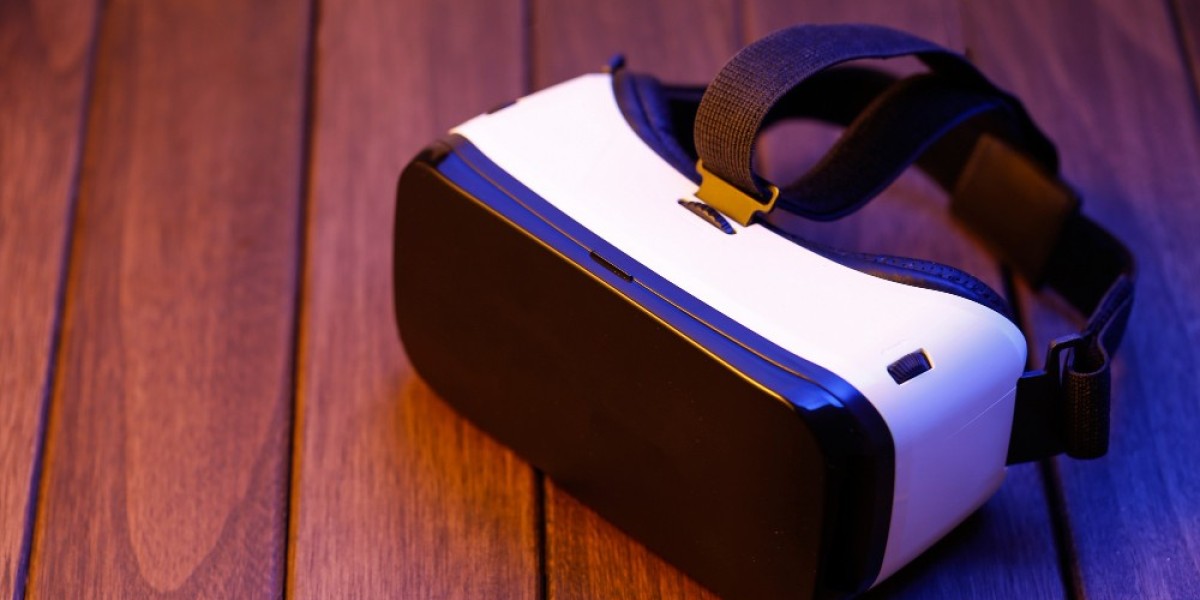

Many AR/VR headsets feel heavy, thick, and uncomfortable because of long optical paths and stacked lenses. Users also face short eye relief, edge distortion, and limited clarity when displays are magnified through traditional optics. These issues reduce immersion and wearing comfort, especially during long sessions.
A modern Pancake optical module solves these problems by folding the light path multiple times using polarized reflection. This design shortens the optical distance, reduces lens thickness, and delivers sharp visuals in a very slim form factor—ideal for lightweight AR/VR headsets and near-eye displays.
What Is a Pancake Optical Module in Near-Eye Displays?
A pancake optical module uses polarized optics and reflective surfaces to “fold” light back and forth between lenses. Instead of traveling in a straight, long path, light is compressed into a short space while maintaining image quality.
This approach provides:
Much thinner optical stack
Improved image clarity and uniformity
Larger eye box and better eye relief
Compact design for wearable devices
Why Traditional Lens Stacks Make Headsets Bulky
Conventional optics require distance between the display and the eye to form a clear image. This increases headset thickness and front weight, causing discomfort.
Using a Pancake optical module dramatically reduces this distance by folding the path internally. Designers can achieve the same or better image performance in a slimmer housing.
Better Eye Relief and Viewing Comfort
Eye relief is the distance between the eye and the lens where the image remains clear. Short eye relief forces users to press the headset closer to the face.
Larger Eye Box
Users can move their eyes naturally without losing clarity.
Comfortable Viewing Position
Less pressure on the face during long sessions.
Reduced Edge Distortion
Clear visuals across the full field of view.
Slim Design Without Sacrificing Image Quality
One major advantage of pancake optics is maintaining high image performance in a thin module.
Uniform Brightness
Even light distribution across the display.
High Resolution Support
Works well with micro displays and high-PPI panels.
Reduced Optical Aberration
Minimizes blur and distortion.
Ideal for Lightweight AR and VR Headsets
Because of their thin profile, pancake modules are widely used in modern:
VR headsets focused on comfort
AR smart glasses with compact frames
Mixed reality devices
Industrial and training head-mounted displays
The lighter design improves user experience and device portability.
Efficient Integration with Micro Displays
Pancake optical systems pair well with micro OLED and other micro displays. The compact display and folded optics together create a small but powerful near-eye engine.
This combination is key to building next-generation immersive devices.
Why Manufacturers Choose Pancake Optical Modules
Manufacturers prefer pancake optics because they solve multiple design challenges: thickness, comfort, clarity, and integration. They enable slimmer products without compromising the visual experience users expect from AR/VR devices.
This makes pancake modules a leading choice in modern near-eye optical engineering.