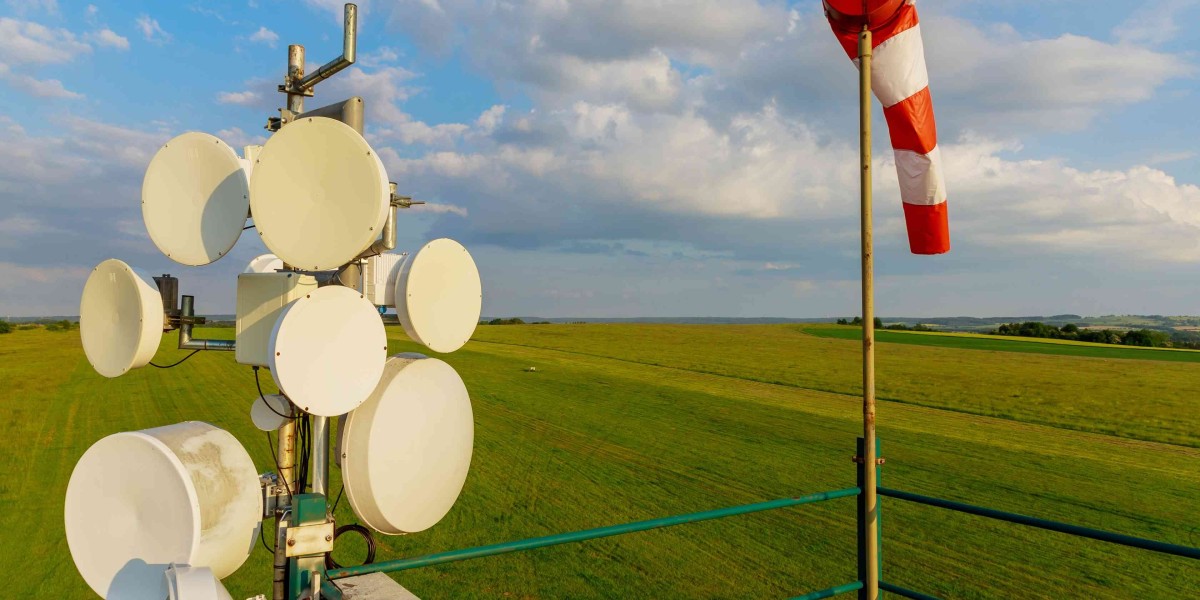

The Vital Role of Calibration
Installation is just the first step. A sensor is only as good as its calibration. Over time, all mechanical and electronic devices drift. A thermometer might read 0.1 degrees higher than it did a year ago; a barometer's internal diaphragm might stiffen slightly. Without intervention, these tiny errors accumulate, leading to "data drift."
Initial Commissioning
Before an Automated Weather Observing Systems unit goes live, it undergoes a comprehensive commissioning process. Technicians compare the system's readings against a "traveling standard"—a set of high-precision, portable reference instruments that are traceable to national laboratories.
- Pressure check: The field barometer is compared against a reference barometer.
- Temperature check: The sensors are placed in stable temperature baths alongside a reference thermometer.
- Wind check: Anemometers are often tested in wind tunnels or spun at known RPMs to verify their output.
Only when the system's readings match the reference standard within a very tight tolerance is it certified for operational use.
Ongoing Maintenance Cycles
Calibration is not a one-time event; it is a lifecycle commitment. Airports typically operate on a strict maintenance schedule—often every 90 to 180 days—depending on the sensor type and local regulations.
During these visits, technicians don't just tweak dials. They clean optical lenses on visibility sensors, check for insect nests in wind vanes, and inspect cables for UV damage. In sandy or dusty environments, this cleaning is critical. A layer of dust on a transmissometer lens can fool the system into thinking visibility is lower than it actually is, potentially closing a runway unnecessarily.
Deploying a weather monitoring network at an airport is a complex engineering feat. It requires a deep understanding of meteorology, electronics, and civil infrastructure. When done correctly, it creates an invisible safety net over the airfield. When done poorly, it can lead to erroneous readings that compromise safety. This article explores the technical journey of bringing these systems online, maintaining their accuracy, and the specialized engineering required to operate them in some of the world's most demanding climates.
The Science of Site Selection and Installation
The installation process begins long before the first sensor is bolted down. It starts with site selection, a phase governed by strict international standards set by organizations like the International Civil Aviation Organization (ICAO) and the World Meteorological Organization (WMO).
Siting Criteria: Finding the Perfect Spot
You cannot simply place a wind sensor anywhere on an airfield. If it's too close to a hangar, the building will block the wind or create turbulence, leading to false readings. If a temperature sensor is placed near a patch of asphalt, it will read artificially high due to the heat radiating from the ground.
Engineers must conduct detailed site surveys to identify locations that are "meteorologically representative." This means the data collected at that spot accurately reflects the conditions over a larger area of the airport.
- Wind Sensors: Must be mounted at a standard height (typically 10 meters) and free from obstructions for hundreds of meters in every direction.
- Visibility Sensors: Located alongside the runway, usually at the touchdown zone, mid-point, and stop-end, to give a complete picture of conditions during landing and rollout.
- Ceilometers: These cloud-height sensors need a clear vertical line of sight, away from high-intensity runway lights that could interfere with their optical receivers.
The Physical Installation
Once the sites are selected, the physical work begins. This involves trenching for power and data cables, pouring concrete foundations for instrument towers, and erecting the masts. In modern airport environments, fiber optic cables are often used to ensure high-speed, interference-free data transmission to the central processing unit.
The mechanical installation must be incredibly robust. These systems are often exposed to the harshest elements—hurricane-force winds, torrential rain, or baking sun—yet they must remain perfectly stable. A mast that vibrates in the wind can cause errors in wind speed measurement or throw a visibility sensor out of alignment.
Engineering for Extreme Environments
While the principles of installation and calibration are universal, the execution varies wildly depending on the location. Operating sensitive electronics in a temperate climate is one thing; doing so in a region characterized by extreme heat, humidity, and sand is an entirely different engineering challenge.
This is where the specialized approach to airport engineering Qatar exemplifies comes into play. The region's unique climate imposes severe stress on outdoor equipment, requiring innovative solutions to ensure system longevity and accuracy.
Thermal Management and Shielding
In environments where ambient temperatures can exceed 45°C (113°F), standard equipment enclosures can turn into ovens, cooking the sensitive electronics inside. Advanced installations utilize double-walled, ventilated, and sometimes actively cooled enclosures to keep processors and data loggers within their safe operating range.
Furthermore, solar radiation shields are essential for temperature and humidity sensors. These are not just simple covers but often include aspirated fans that constantly pull fresh air over the sensor. This ensures the instrument measures the air temperature, not the temperature of the shield itself, which could be 10 degrees hotter in direct sunlight.
Combatting Sand and Dust
Fine dust is the enemy of precision optics. In desert environments, visibility sensors (which rely on measuring light scattering or transmission) are particularly vulnerable. To combat this, engineers specify sensors with powerful blower systems. These "air knives" create a curtain of high-velocity air across the lens face, preventing dust from settling.
Additionally, mechanical components like wind vane bearings must be sealed to the highest industrial standards (IP66 or IP67) to prevent grit from entering and causing friction, which would make the sensor sluggish and inaccurate at low wind speeds.
Redundancy as a Standard
Given the harsh conditions, the risk of component failure is higher. To mitigate this, high-resilience engineering designs often incorporate redundancy at the sensor level. Instead of a single wind sensor, a mast might hold two. The system's software constantly compares the two readings. If they diverge, the system alerts maintenance crews but continues to output data from the sensor deemed healthy (or an average of both), ensuring no loss of service.
Conclusion: The Foundation of Safe Flight
The installation and calibration of weather systems are the unseen disciplines of aviation safety. They bridge the gap between abstract meteorology and concrete operational data. It is a field that demands precision, patience, and a refusal to compromise.
Whether it is the careful alignment of a laser ceilometer or the rigorous checking of a barometer against a laboratory standard, every step in this process contributes to the safety of the flying public. As aviation continues to grow and expand into more challenging climates, the engineering expertise behind these systems—from robust thermal design to intelligent dust mitigation—will remain the bedrock upon which safe and efficient flight operations are built.
Key Takeaways
- Site Selection is Critical: Sensors must be placed in locations that are meteorologically representative and free from interference.
- Calibration Prevents Drift: Regular comparison against reference standards is the only way to ensure data remains accurate over time.
- Environment Dictates Design: Extreme climates require specialized engineering, such as active cooling and dust mitigation, to protect sensitive electronics.
- Maintenance is Safety: Routine cleaning and inspection are as important as the initial installation for preventing false readings.