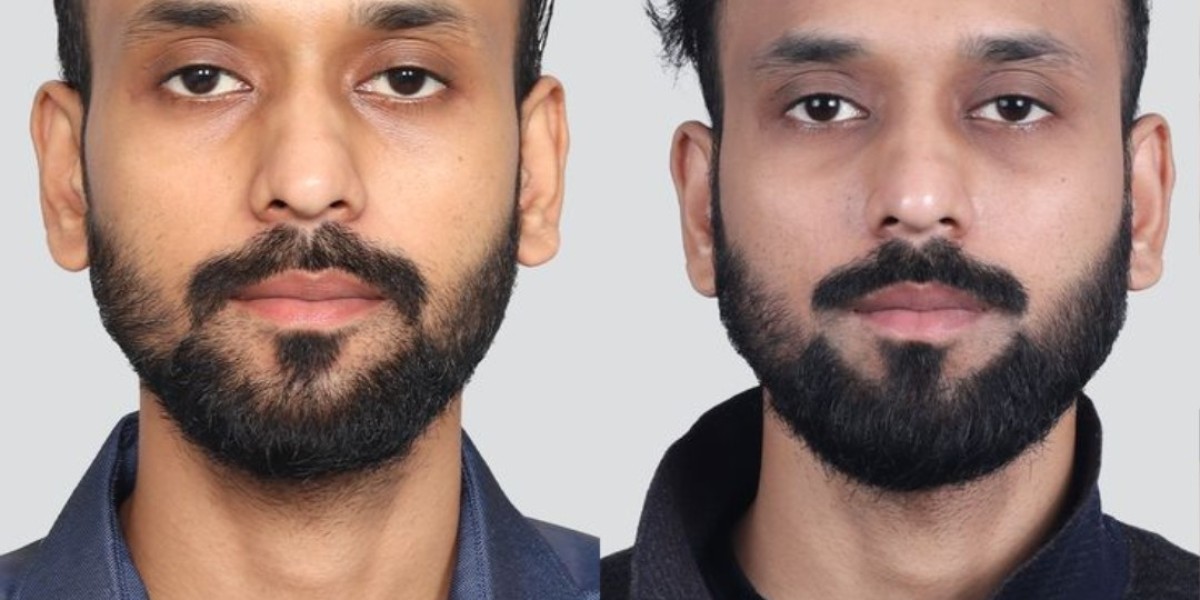

A hair transplant in Islamabad offers a permanent solution, helping individuals restore natural hair growth and regain self-assurance.
How Hair Transplants Restore Hair
Hair transplant surgery involves relocating healthy hair follicles from donor areas, usually at the back or sides of the scalp, to thinning or bald regions. These transplanted follicles are resistant to hair loss, ensuring continued growth over time. The result is a fuller, natural-looking head of hair that blends seamlessly with existing hair.
Unlike short-term cosmetic fixes, hair transplantation addresses the root cause of hair loss, providing a long-term solution.
Popular Hair Transplant Techniques
Modern hair transplant procedures use precise methods for effective and natural results:
Follicular Unit Extraction (FUE): Individual hair follicles are extracted and implanted carefully, leaving minimal scarring and allowing quicker recovery.
Follicular Unit Transplantation (FUT): A strip of donor scalp is removed, dissected into grafts, and implanted in thinning areas. FUT is often preferred for extensive bald regions.
The choice of technique depends on hair density, donor hair availability, and desired outcomes.
Common Causes of Hair Loss
Hair loss usually results from multiple factors:
Genetics: Family history is the most frequent reason for baldness.
Hormonal Changes: Imbalances can weaken hair follicles.
Lifestyle Factors: Stress, poor nutrition, and smoking negatively affect hair health.
Medical Conditions: Certain illnesses or medications may contribute to thinning hair.
Understanding the cause allows specialists to recommend the most effective treatment plan.
Who Can Benefit from Hair Transplant Surgery
Hair transplant surgery is suitable for individuals who:
Have visible hair thinning or bald patches
Possess sufficient donor hair
Have stable hair loss patterns
Are in good overall health
A professional consultation ensures eligibility and sets realistic expectations.
Benefits of Hair Transplant
Hair transplantation provides multiple advantages over non-surgical options:
Permanent Results: Transplanted hair grows naturally for years.
Natural Appearance: Hairlines are designed to complement facial features.
Low Maintenance: No special products or ongoing treatments are required.
Confidence Boost: Restored hair often improves self-esteem and social comfort.
These benefits make hair transplantation a valuable long-term solution for hair loss.
Preparing for a Hair Transplant
Preparation is essential for optimal results. Patients are generally advised to:
Avoid smoking and alcohol before the procedure
Follow medication instructions provided by the surgeon
Maintain a healthy diet
Protect the scalp from excessive sun exposure
Proper preparation reduces complications and supports faster recovery.
Recovery and Hair Growth Timeline
Recovery is typically straightforward. Mild redness or swelling may occur but generally fades within a few days. Post-operative care includes:
Gentle scalp cleaning
Avoiding strenuous activity temporarily
Using prescribed medications
Attending follow-up consultations
Hair growth generally begins within 3–4 months, with full results visible within 9–12 months.
Choosing a Professional Clinic
Selecting the right clinic is critical for safe and effective results. Patients should consider:
Surgeon experience and qualifications
Modern equipment and clean facilities
Transparent consultation and pricing
Proven track record of successful treatments
For those seeking trusted hair restoration services, Enfield Royal Clinic is well-known for its advanced techniques, experienced medical team, and patient-focused approach, ensuring natural, long-lasting results.
Conclusion
Hair loss no longer needs to be permanent. With modern procedures, a hair transplant in Islamabad offers a safe and effective way to restore hair and confidence. Choosing a reputable clinic like Enfield Royal Clinic guarantees professional care, natural-looking results, and a long-lasting solution for hair restoration.