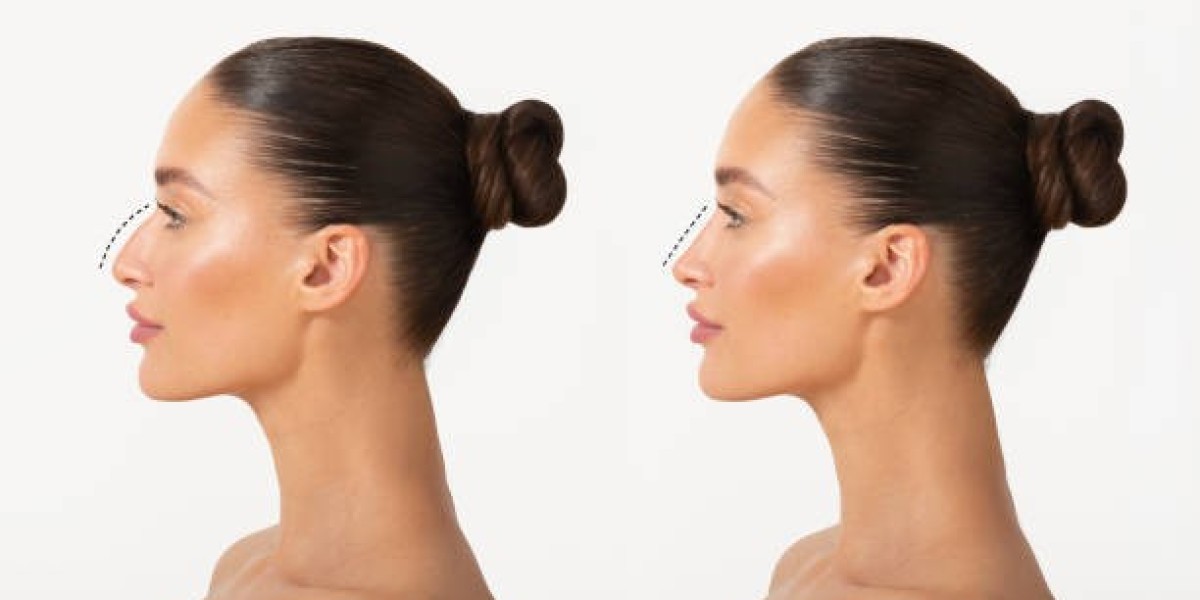

Imagine waking up after Rhinoplasty surgery, excited for your refined nose, only to feel disappointment as it looks pinched, scooped, or unnaturally slim. This frustrating outcome, nose job in riyadh known as an over-resected nose, happens when too much cartilage or bone is removed during the procedure. It's a common revision concern, affecting aesthetics and sometimes breathing. But here's the good news: correction approaches exist to restore balance and harmony to your face.
In this comprehensive guide, we'll dive into Rhinoplasty in Riyadh, exploring why over-resection occurs, advanced correction techniques, recovery realities, and expert tips. Whether you're facing this issue or researching prevention, you'll gain actionable insights to reclaim your confidence.
Understanding Over-Resected Noses
Over-resection in Rhinoplasty refers to excessive tissue removal, leading to a nose that's too small, collapsed, or asymmetrical. Picture your nose bridge scooped out like a saddle or the tip pinched like a witch's—harsh but accurate visuals many patients describe.
Causes of Over-Resection
Surgeons might remove too much dorsal hump cartilage aiming for a sleek profile, or over-trim tip cartilages for definition. Inexperience, poor planning, or unrealistic patient expectations play roles. Studies show up to 15% of primary rhinoplasties need revision due to this.
Signs You're Dealing with It
Spot pinched nostrils, a hollow mid-nose, or tip support loss causing drooping. Breathing difficulties from narrowed airways add functional woes. Early photos help compare pre- and post-op changes objectively.
Why Seek Correction for Over-Resected Noses?
Restoring an over-resected nose isn't vanity—it's about facial harmony and quality of life. A balanced nose frames your eyes and smile perfectly, boosting self-esteem. Patients often report renewed joy in selfies and social interactions post-correction.
Emotional and Psychological Impact
Living with an unsatisfactory result breeds anxiety. Correction Rhinoplasty in Riyadh addresses this, blending artistry with science for natural revival. Think of it as sculpting clay back to life—meticulous but transformative.
Primary Correction Approaches in Rhinoplasty
Modern techniques turn over-resected noses around using grafts, implants, and precise rebuilding. Here's how experts approach it, step by step.
Cartilage Grafting Techniques
Autologous cartilage from ear or rib rebuilds structure. Septal remnants work too. Surgeons layer diced cartilage wrapped in fascia for smooth bridges, preventing visible edges. This gold-standard method mimics natural tissue resilience.
Rib Graft Rhinoplasty for Major Support
For severe cases, costal cartilage provides robust volume. Harvested from your chest, it's carved into struts supporting the columella and tip. Though donor-site soreness lasts weeks, results endure decades—ideal for collapsed noses.
Dermal Fillers and Implants as Temporary Fixes
Hyaluronic acid fillers plump scooped areas non-surgically, previewing permanent options. Silicone or Gore-Tex implants offer semi-permanent volume but risk infection, so they're selective choices.
Osteotomies and Spreader Grafts
Precision bone cuts (osteotomies) reposition walls, while spreader grafts widen pinched vaults. These restore airflow and aesthetics, like widening a narrow hallway for better flow.
Preparing for Revision Rhinoplasty in Riyadh
Success hinges on preparation. Wait 12-18 months post-primary surgery for swelling to settle and scar tissue to soften—rushing leads to suboptimal results.
Choosing the Right Specialist
Seek surgeons experienced in revisions, with portfolios of over-resected fixes. Consultations involve 3D imaging to simulate outcomes, aligning visions precisely.
Health and Lifestyle Checks
Quit smoking, optimize nutrition, and manage conditions like diabetes. Blood tests ensure you're surgery-ready, minimizing complications.
The Revision Rhinoplasty Procedure Step-by-Step
Revision surgery lasts 2-4 hours under general anesthesia, often open approach for visibility.
Pre-Op Marking and Planning
Surgeons map grafts using photos and models, customizing for your anatomy.
Incision and Reconstruction
Tiny external cuts access internals. Grafts secure with sutures; bones realign. Drains prevent hematomas.
Closing and Initial Recovery
Precise suturing minimizes scars. Splints protect for a week.
Recovery Timeline After Correction Rhinoplasty
Healing unfolds in phases—patience pays off with stunning results.
First Week: Swelling and Splint Phase
Bruising peaks days 2-3; ice and elevation tame it. Rest upright avoids pressure.
Weeks 2-6: Returning to Normal
Splint removal reveals progress. Avoid glasses; soft foods ease chewing.
Months 3-12: Final Shaping
80% swelling gone by month 3; full refinement by year one. Lymphatic massages speed it.
Long-Term Maintenance Tips
Sunscreen prevents pigmentation; humidifiers combat dryness. Annual check-ins track durability.
Risks and How to Mitigate Them
All surgeries carry risks, but revisions demand caution.
Common Complications
Infection (rare, <5%), graft warping, or asymmetry possible. Breathing issues from scar tissue occur too.
Prevention Strategies
Sterile techniques, antibiotics, and follow-ups slash odds. Choose board-certified pros.
Real Patient Stories: Transformations Unveiled
Meet Aisha, whose scooped bridge post-primary surgery left her self-conscious. Rib grafts restored fullness; she beams, "My profile feels mine again!" Or Omar, fixing a pinched tip—spreader grafts revived his breathing and bold smile.
These tales highlight hope: 85-90% satisfaction rates in skilled hands.
Why Riyadh Stands Out for Rhinoplasty Corrections
Rhinoplasty in Riyadh thrives with world-class facilities blending innovation and expertise. Advanced tech like intraoperative CT ensures precision, attracting global patients for over-resection fixes.
Ready to explore your options? Book an appointment consultation clinic like Enfield Royal Riyadh today for personalized advice.
FAQs
1. How long after initial surgery can I get over-resected nose correction?
Wait 12-18 months for tissues to stabilize, allowing accurate assessment.
2. Does revision Rhinoplasty in Riyadh use my own tissue?
Yes, ear, septum, or rib cartilage preferred for natural integration and low rejection.
3. Is non-surgical correction possible for over-resection?
Fillers offer temporary camouflage, but surgery needed for structural rebuilds.
4. What's the success rate for correcting over-resected noses?
Around 85-90% with experienced surgeons, focusing on grafts and support.
5. Can over-resected Rhinoplasty improve breathing too?
Absolutely—spreader grafts and septoplasty restore airways alongside aesthetics.