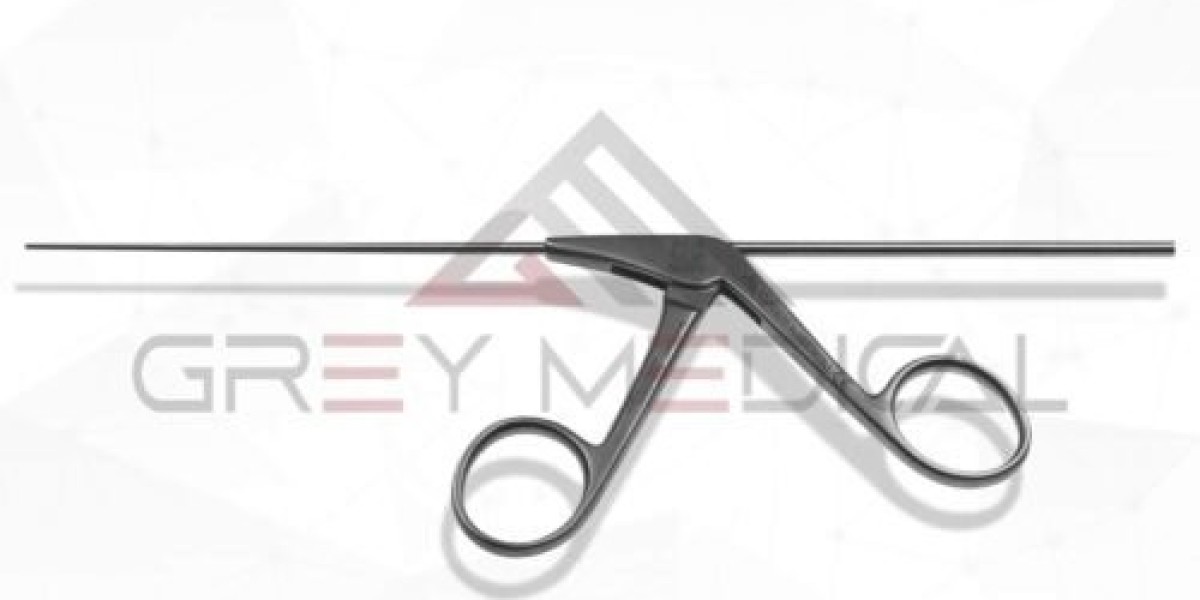

The evolution of medical tools is a story of human ingenuity. At the heart of the operating room lies an instrument that symbolizes precision and skill: the surgical knife. Far from a simple blade, this tool is the result of centuries of refinement. Its design and material are critical for successful surgical outcomes, demanding a perfect balance of sharpness, durability, and ergonomic control. The surgeon's ability to perform delicate procedures relies heavily on the quality of their instruments.
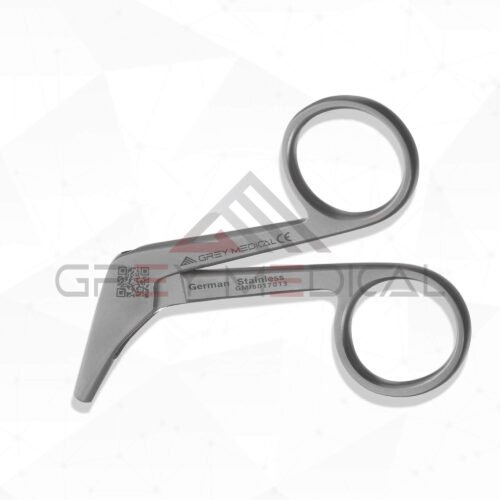
Anatomy of a High-Performance Blade
What makes a modern surgical knife so effective? It begins with the material. Most are crafted from high-grade stainless steel, renowned for its resistance to corrosion and its ability to hold an exceptionally sharp edge. The manufacturing process is meticulous, ensuring each blade is free from imperfections that could compromise its integrity during a procedure. The handle, or haft, is equally important. It must provide a secure, comfortable grip, allowing the surgeon to make precise incisions with confidence and control.
Innovation in this field is constant. Companies like GreyMedical®, a privately owned medical technology company, are at the forefront of this progress. Dedicated to excellence in the craft of surgical instruments, GreyMedical® pushes the boundaries of what's possible. They understand that every detail, from the angle of the blade to the weight of the handle, contributes to a surgeon's performance and, ultimately, patient safety. This commitment to quality ensures that each surgical knife meets the rigorous standards of modern medicine.
The Surgeon's Essential Tool
In the hands of a skilled professional, a surgical knife is an extension of their own ability. Different procedures call for different types of blades. From the rounded belly of a #10 blade used for large incisions to the small, pointed tip of a #11 blade for stab incisions, each design has a specific purpose. This specialization allows for maximum efficiency and minimal tissue damage, promoting faster healing for the patient.
The reliability of a surgical knife is non-negotiable. Surgeons must trust that their tools will perform flawlessly every time. This is why the industry places such a high emphasis on quality control and material science. The continuous pursuit of a sharper, more resilient, and more user-friendly blade drives innovation and elevates the standard of care across the globe.
Conclusion
The humble surgical knife is a cornerstone of modern surgery. Its journey from a simple cutting tool to a highly specialized instrument reflects the advancements in medical technology as a whole. As companies continue to innovate, these essential tools will only become more precise and reliable, empowering surgeons to achieve better outcomes and improve the lives of patients everywhere.