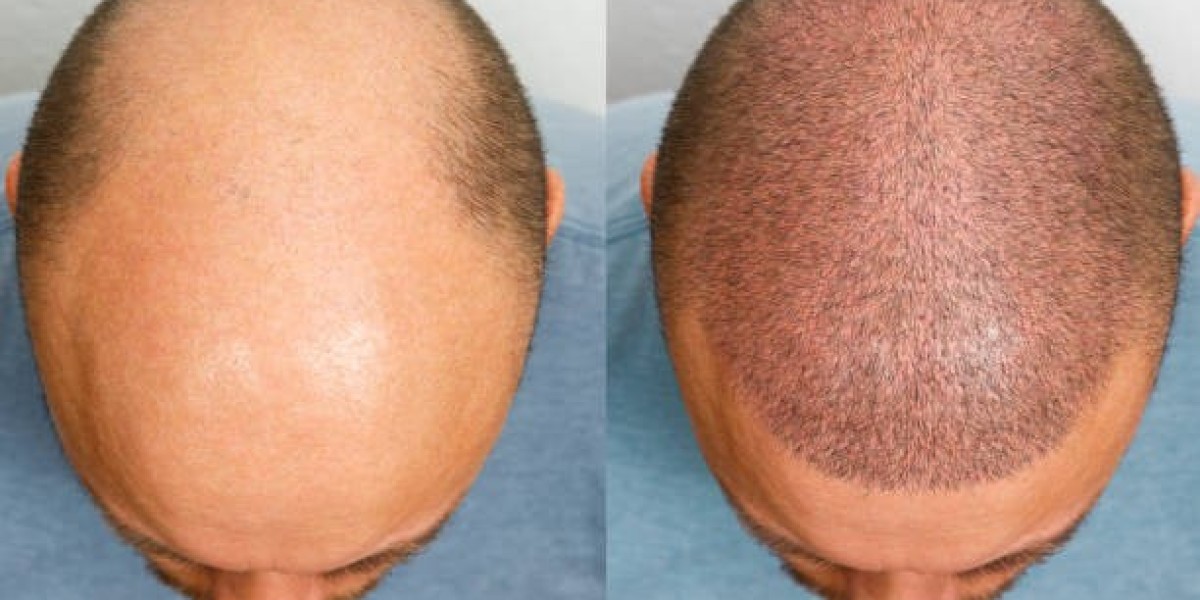

Imagine waking up to more hair on your pillow than on your head, or noticing your reflection showing a receding hairline that wasn't there yesterday. Baldness affects millions worldwide, turning a simple mirror glance into a daily confidence killer. But here's the good news: science has evolved, offering real hope through advanced restoration techniques. This blog dives deep into the root causes of baldness and unpacks Hair Transplant in Riyadh(زراعة شعر الرياض) as a game-changing solution. We'll explore why hair vanishes, how transplants work, and what you need to know for lasting results. Stick around—you might just find the key to reclaiming your crowning glory.
Hair loss isn't just cosmetic; it's emotional. Studies show it impacts self-esteem, with many feeling years older overnight. Whether it's gradual thinning or sudden patches, understanding the "why" empowers you to act. From genetic predispositions to lifestyle pitfalls, we'll break it down simply, then spotlight proven treatments that deliver natural-looking fullness.
Root Causes of Baldness: What’s Stealing Your Hair?
Baldness doesn't strike randomly—it's a perfect storm of factors. Androgenetic alopecia, the most common culprit, affects up to 80% of men and 40% of women by age 70. Triggered by dihydrotestosterone (DHT), a hormone that shrinks hair follicles, it leads to thinner strands until they stop growing altogether. Genetics load the gun, but environment pulls the trigger—think family history where dad’s bald spot mirrors yours.
Stress plays a sneaky role too. Telogen effluvium pushes hair into resting phase prematurely, causing diffuse shedding after major events like illness or emotional turmoil. Poor nutrition starves follicles; deficiencies in iron, zinc, or biotin weaken roots, making hair brittle and prone to fallout. Scalp conditions like dandruff or psoriasis inflame follicles, accelerating loss, while hormonal shifts—post-pregnancy or menopause—disrupt cycles.
Environmental aggressors compound it: pollution clogs pores, UV rays damage proteins, and harsh styling tools fry strands. Medications like chemotherapy or blood thinners can induce temporary loss, but the real villains often hide in plain sight. Identifying your trigger is step one—track patterns, consult pros, and test for deficiencies to halt progression before it's too late.
Types of Baldness: Patterns You Should Recognize
Not all baldness looks the same, and spotting yours guides the fix. Male pattern baldness carves a classic M-shape: temples recede, crown thins, forming a horseshoe fringe. Norwood scale maps it from minor recession (stage 2) to full dome (stage 7). Women face Ludwig patterns—widening part lines with preserved edges—often hormone-driven.
Alopecia areata creates coin-sized patches from autoimmune attacks, while traction alopecia stems from tight hairstyles pulling follicles loose. Scarring alopecias, rarer but sinister, destroy follicles permanently via inflammation. Recognizing these isn't just trivia; it tailors your battle plan. Early detection via photos or dermatologist exams prevents irreversible damage—don't wait for the mirror to scream.
Hair Transplant Explained: How It Brings Hair Back to Life
Enter Hair Transplant in Riyadh, a beacon for baldness warriors seeking permanence. This surgical marvel relocates healthy follicles from donor zones (usually the back or sides, DHT-resistant) to balding areas. No plugs, no dollhouses—just seamless density mimicking nature.
Two stars shine: Follicular Unit Transplantation (FUT) strips a donor scalp section, dissects it into grafts under microscopes, then implants them precisely. Follicular Unit Extraction (FUE) punches individual follicles directly, leaving no linear scar—ideal for short hair lovers. Both boast 90-95% graft survival, yielding growth in 3-6 months, full glory by year one.
Precision tools like robotic arms and magnifying loupes ensure angles match your natural swirl. It's outpatient, with local anesthesia keeping you comfy. Post-op, tiny scabs flake off, revealing baby hairs that thicken over time. The result? Undetectable fullness that ages with you, defying baldness's march.
The Hair Transplant Procedure: Step-by-Step Journey
Curious about the magic behind closed doors? Day one starts with consultation: scalp analysis, donor assessment, and custom design tracing your youthful hairline. Anesthesia numbs the scalp—pinch-free.
Harvesting follows: FUT excises a strip, sutures invisibly; FUE extracts 1,000-4,000 grafts via tiny punches. Tech like NeoGraft speeds it, minimizing trauma. Grafts chill in solution, then channels are crafted in recipient sites—density, direction, perfection.
Implantation artistry shines: each graft slotted like a puzzle piece. Four hours later, you're bandaged, heading home with care instructions. Swelling peaks day 3, fades by week two. By month four, shock loss sheds transplants (normal!), new cycles kick in. Patience pays—celebrate inch-long growth at six months.
Preparation and Recovery: Your Roadmap to Success
Prep smart: Quit smoking two weeks prior—it constricts vessels, starving grafts. Load up on protein, vitamins; avoid blood thinners like aspirin. Day-of, loose clothes, a hat-ready.
Recovery's a breeze but demands discipline. Sleep elevated first nights to curb swelling. Gentle shampoo day 3; no sweat-inducing workouts for two weeks. Itch? Hands off—scabs protect newbies. Sun? Hide it. By week four, buzz if desired; normality resumes.
Nutrition fuels regrowth: Biotin-rich eggs, omega-3 salmon, antioxidant berries. Minoxidil or PRP boosts synergy. Most resume work in days, sporting hats stylishly. Track progress with monthly selfies—motivation surges as density builds.
Prevention and Maintenance: Keep Your New Hair Thriving
Transplant isn't a set-it-forget-it; maintenance locks in wins. DHT blockers like finasteride tame hormones without surgery. Scalp massages boost circulation; LED therapy stimulates follicles. Lifestyle upgrades—stress yoga, balanced diet—fortify defenses.
Annual check-ins monitor health. Styling? Gentle products, no traction. UV hats preserve pigments. With care, transplants last decades, evolving naturally. You're not just restoring—you're investing in a fuller future.
Ready to take the next step? Book an appointment consultation clinic like 'Enfield Royal Riyadh(إنفيلد رويال الرياض)' for personalized advice tailored to your scalp.
FAQs
✨ Can Hair Transplant Fix All Types of Baldness?
No, it excels for androgenetic alopecia with stable donors but skips active scarring or widespread diffuse loss. Consult to confirm suitability—success hinges on follicle health.
✨ How Long Until I See Full Results from Hair Transplant?
Initial growth sprouts at 3-4 months, thickening by 6-9; peak density hits 12-18 months. Patience is key—each strand strengthens progressively.
✨ Is Hair Transplant Painful During or After?
Minimal: Local numbs everything; post-op feels like a mild sunburn, eased by meds. Most rate it 2/10 discomfort.
✨ Will Transplanted Hair Fall Out Again?
No—donor follicles resist DHT, ensuring permanence. Proper care maintains them lifelong, unlike original balding spots.
✨ Who’s the Ideal Candidate for Hair Transplant?
Healthy adults 25+ with stable loss patterns, ample donors, realistic goals. Women post-menopause or traction cases qualify too.