
Rising electricity tariffs and frequent power demand are encouraging homeowners across India to switch to solar energy. Among different solar solutions available today, the on-grid solar system is the most popular choice for residential properties due to its lower upfront cost and fast return on investment.
Understanding the on-grid solar panel installation cost for residential properties is important before planning a rooftop solar project. This guide explains pricing, system sizing, subsidy, net metering, savings, design factors and how to choose the right solar installer.
What Is an On-Grid Solar System for Homes?
An on-grid solar system is directly connected to the utility electricity grid. It allows your home to use solar power during the day and draw power from the grid whenever solar generation is not sufficient.
Unlike off-grid or hybrid systems, on-grid systems do not use batteries. This is the main reason why on-grid solar installation cost for homes is lower compared to other solar solutions.
Why On-Grid Solar Is Ideal for Residential Properties
Most residential properties in India already have stable grid connectivity. For such homes, on-grid solar offers:
Lower installation cost
Simple system design
Faster approvals and net metering process
Higher financial return over time
For homeowners focused mainly on reducing electricity bills, on-grid solar is the most practical option.
What Determines On-Grid Solar Panel Installation Cost for Residential Properties?
The total cost of a residential on-grid solar system depends on several technical and commercial factors.
1. Solar System Capacity
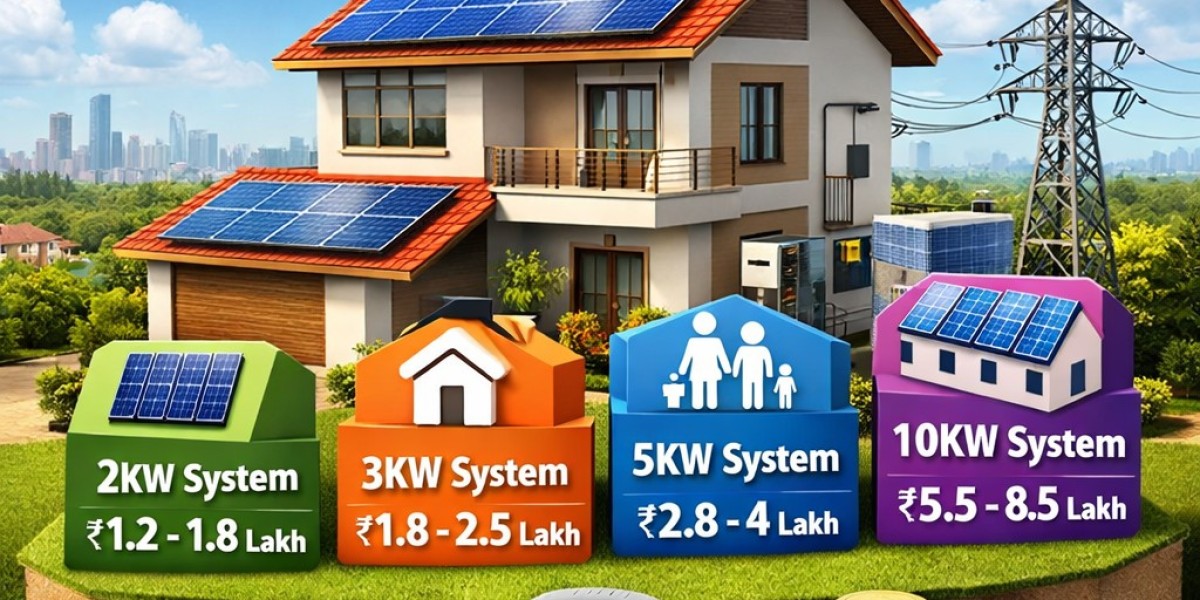
System size is the biggest cost factor. Residential systems are commonly installed in the range of:
1 kW
2 kW
3 kW
5 kW
10 kW
Larger systems have lower per-kilowatt cost, but higher overall project value.
2. Type and Quality of Solar Panels
High-efficiency mono-PERC and TOPCon modules usually cost more than standard polycrystalline panels, but they produce more energy using less roof space.
3. Inverter Technology
String inverters and micro-inverters differ in cost, performance and monitoring capabilities. A high-quality inverter improves system reliability and long-term output.
4. Rooftop Structure and Installation Complexity
Flat concrete roofs, metal sheet roofs and sloped tiled roofs require different mounting structures. Additional civil or structural work can affect the final installation cost.
5. Electrical Upgrades and Safety Equipment
Earthing, surge protection devices, AC and DC isolators and distribution upgrades also contribute to the total project cost.
Average On-Grid Solar Panel Installation Cost for Homes in India
For residential properties in India, the typical price range is:
₹45,000 to ₹65,000 per kW (before subsidy)
This range may vary depending on city, installer, component quality and rooftop conditions.
For example:
1 kW system: suitable for small homes with limited consumption
3 kW system: suitable for most medium-size households
5 kW system: suitable for larger homes and villas
The final on-grid solar panel installation cost for residential properties should always be calculated after a site survey.
MNRE Subsidy for Residential On-Grid Solar Systems
The Government of India provides central financial assistance for residential rooftop solar installations through the MNRE rooftop solar programme.
At present, subsidies are applicable only for residential consumers and only for on-grid solar systems installed by registered vendors under the national portal.
Subsidy is calculated based on the approved benchmark cost and system capacity. The actual subsidy amount and eligibility depend on:
System size
State DISCOM participation
Consumer category
Homeowners should always confirm the latest subsidy structure through the official rooftop solar portal or an authorised EPC company.
Net Metering and Its Role in Cost Savings
Net metering plays a major role in improving project economics for residential on-grid solar systems.
With net metering:
Excess solar energy exported to the grid is recorded
The exported units are adjusted against imported units
Homeowners pay only for the net energy consumed
This significantly improves monthly savings and reduces the effective on-grid solar installation cost over time.
How to Calculate the Right System Size for Your Home
Correct system sizing is essential to avoid over-investment or under-performance.
A basic estimation method:
Check your average monthly electricity consumption in units (kWh).
Divide monthly units by 120 to 140 to estimate system size in kW.
For example, if your monthly consumption is around 360 units:
360 ÷ 120 = 3 kW system (approximate)
A professional solar installer will also consider:
Available shadow-free rooftop area
Roof orientation
Electrical connection capacity
Local solar irradiation
Typical Rooftop Area Required
Approximate shadow-free rooftop area needed:
1 kW system: 80 to 100 sq.ft
3 kW system: 240 to 300 sq.ft
5 kW system: 400 to 500 sq.ft
Roof condition and panel wattage affect actual requirements.
Detailed Cost Components in Residential On-Grid Solar Installation
Understanding cost breakup helps homeowners evaluate quotations more accurately.
Solar Panels
Panels contribute a major portion of project cost and determine system performance for more than 25 years.
Inverter
The inverter converts DC power into usable AC electricity. Its warranty, efficiency and brand quality are critical.
Mounting Structure
Mounting structure cost depends on roof type, corrosion protection and wind load design.
Wiring and Protection Devices
DC and AC cables, junction boxes, earthing, lightning protection and isolators ensure system safety and compliance.
Engineering, Installation and Commissioning
This includes design, installation labour, testing, documentation and approvals.
Installation Process for Residential On-Grid Solar Systems
The typical installation workflow includes:
Site survey and feasibility study
System design and quotation
Approval and net metering application
Material procurement
Installation and wiring
Testing and grid synchronisation
Net meter installation and commissioning
A professional EPC partner manages the entire process.
How Much Can You Save with an On-Grid Solar System?
Savings depend mainly on:
Local electricity tariff
Self-consumption level
Net metering policy
On average, homeowners can reduce electricity bills by 60% to 90%.
Over the system lifetime of 25 years, cumulative savings are significantly higher than the initial installation cost.
Why On-Grid Solar Is a Smart Long-Term Investment for Homes
Residential electricity demand in India is steadily rising due to air-conditioning, electric vehicles and smart appliances.
Installing an on-grid solar system allows homeowners to:
Lock in long-term electricity cost
Protect against future tariff hikes
Increase property value
Reduce carbon footprint
The financial and environmental benefits continue for decades.
Conclusion
Understanding the on-grid solar panel installation cost for residential properties helps homeowners make informed decisions and plan their rooftop solar investment effectively.
By selecting the correct system size, using high-quality components and working with an experienced solar installer, residential users can achieve excellent savings, fast payback and long-term energy security.
For homes with stable grid supply and sufficient rooftop space, an on-grid solar system remains the most economical and reliable solar solution in India. Koshishsolar,Residential,OnGrid