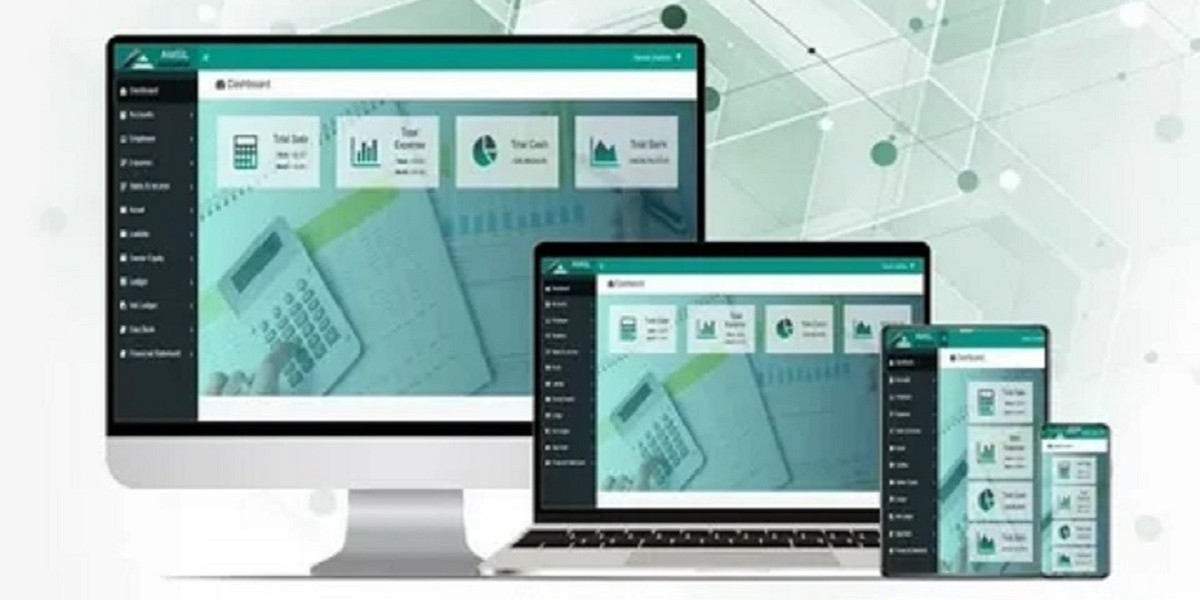

In 2026, financial accuracy is no longer a competitive advantage; it is a basic requirement for survival and growth. Businesses operating in Saudi Arabia are facing increased regulatory scrutiny, rapid digital transformation, and higher expectations from stakeholders. In this environment, برامج المحاسبة have become essential tools for ensuring precise financial records, stronger internal control, and real-time visibility into business performance. Companies that rely on outdated or manual accounting methods are finding it increasingly difficult to keep pace with the demands of a modern, data-driven economy.
Why Financial Accuracy Matters More Than Ever
Financial accuracy is the foundation of trust. Investors, partners, auditors, and government authorities all depend on reliable financial information to make informed decisions. In Saudi Arabia, Vision 2030 initiatives have accelerated the adoption of digital systems across sectors, pushing organizations to modernize their financial operations. With برامج المحاسبة, businesses can reduce human error, standardize accounting processes, and maintain consistent financial data across departments. This level of accuracy is critical for budgeting, forecasting, and long-term strategic planning in 2026.
The Role of برامج المحاسبة in Modern Accounting
At their core, برامج المحاسبة are designed to automate and integrate financial processes. From general ledger management to accounts payable and receivable, these systems centralize financial data into a single, secure platform. In the second paragraph of implementation discussions, Saudi businesses often highlight how برامج المحاسبة simplify compliance with local tax regulations, including VAT requirements and financial reporting standards. Automation ensures transactions are recorded correctly and consistently, minimizing discrepancies that can lead to costly errors or penalties.
Financial Control in a Digitally Regulated Economy
Control is just as important as accuracy. Financial control refers to an organization’s ability to monitor, manage, and safeguard its financial resources. bnody.com in 2026, digital oversight is replacing manual supervision. Advanced accounting systems allow managers to set approval workflows, access controls, and audit trails that strengthen governance. For Saudi enterprises, this means better alignment with regulatory frameworks and improved transparency across financial operations. With robust control mechanisms, businesses can prevent fraud, detect anomalies early, and ensure accountability at every level.
Real-Time Insights for Smarter Decisions
One of the most significant advantages of modern accounting software is real-time reporting. Traditional accounting often involves delays between transaction entry and financial analysis. In contrast, cloud-based programs provide instant access to financial data. Decision-makers in Saudi organizations can view up-to-date cash flow statements, profit and loss reports, and balance sheets at any time. This immediacy enables faster responses to market changes, better cost management, and more confident strategic decisions in a competitive 2026 landscape.
Compliance and Regulatory Readiness
Regulatory compliance is a major concern for businesses operating in Saudi Arabia. Accounting standards, tax laws, and reporting requirements continue to evolve. برامج المحاسبة help organizations stay compliant by automatically updating tax calculations, generating standardized reports, and maintaining accurate records for audits. In 2026, compliance is not just about avoiding fines; it is about building credibility and trust. Businesses that demonstrate transparent and compliant financial practices are more likely to attract investors and long-term partners.
Enhancing Internal Collaboration and Accountability
Financial accuracy and control are not solely the responsibility of the finance department. Modern accounting platforms promote collaboration by providing role-based access to financial data. Managers, accountants, and executives can all work from the same set of information, reducing miscommunication and data silos. In Saudi companies, this shared visibility fosters accountability and ensures that financial decisions are aligned with organizational goals. By integrating accounting with other business systems, organizations create a cohesive operational ecosystem.
Scalability for Growing Saudi Businesses
As businesses expand, financial complexity increases. Managing multiple branches, currencies, or cost centers requires systems that can scale efficiently. Programs like those offered by bnody.com are designed to grow alongside businesses, supporting increased transaction volumes and more complex reporting needs. In 2026, scalability is a critical factor for Saudi enterprises aiming to expand regionally or globally. Reliable accounting software ensures that growth does not compromise financial accuracy or control.
Data Security and Risk Management
Financial data is among the most sensitive information an organization holds. In an era of rising cyber threats, protecting this data is paramount. Modern accounting solutions incorporate advanced security measures such as encryption, secure access controls, and regular system updates. For Saudi businesses, this level of protection supports both regulatory compliance and risk management strategies. Secure accounting systems reduce the likelihood of data breaches and financial losses, reinforcing confidence among stakeholders.
Supporting Strategic Planning and Forecasting
Accurate historical data is the backbone of effective forecasting. Programs that maintain clean, consistent financial records enable organizations to analyze trends and predict future performance. In 2026, Saudi businesses are increasingly relying on data-driven strategies to navigate economic fluctuations. With comprehensive reporting and analytics, accounting software transforms raw data into actionable insights, supporting informed planning and sustainable growth.
Integration with the Broader Digital Ecosystem
Accounting systems no longer operate in isolation. Integration with payroll, inventory, HR, and ERP systems creates a unified digital environment. This integration eliminates duplicate data entry and ensures consistency across platforms. For organizations in Saudi Arabia, integrated systems improve operational efficiency and provide a holistic view of business performance. In 2026, seamless integration is a defining characteristic of high-performing enterprises.
Building Trust Through Transparency
Transparency is a key outcome of accurate and controlled financial systems. When stakeholders have confidence in financial reports, trust naturally follows. This trust strengthens relationships with banks, investors, and regulatory bodies. Programs that emphasize clarity and traceability help Saudi businesses demonstrate ethical financial practices. In a market that values credibility, transparency becomes a powerful asset.
Accounting Software as a Strategic Necessity
In 2026, برامج المحاسبة are no longer optional tools; they are strategic necessities for financial accuracy and control. For Saudi businesses navigating digital transformation, regulatory demands, and competitive pressures, reliable accounting systems provide the structure and insight needed to succeed. By automating processes, enhancing control, and delivering real-time insights, modern accounting solutions empower organizations to operate with confidence and precision. Platforms like bnody.com exemplify how technology can support sustainable financial management and long-term business growth.
FAQs
What are برامج المحاسبة used for in 2026?
They are used to automate accounting processes, improve financial accuracy, and maintain strong control over business finances.
Why are accounting programs important for Saudi businesses?
They help ensure compliance with local regulations, support transparency, and enable data-driven decision-making.
Can accounting software improve financial control?
Yes, it provides approval workflows, audit trails, and access controls that strengthen governance.
Are modern accounting systems suitable for small and large businesses?
They are scalable and can support businesses of all sizes as they grow.
How do accounting programs support strategic planning?
They provide accurate data and analytics that help forecast performance and plan future strategies.