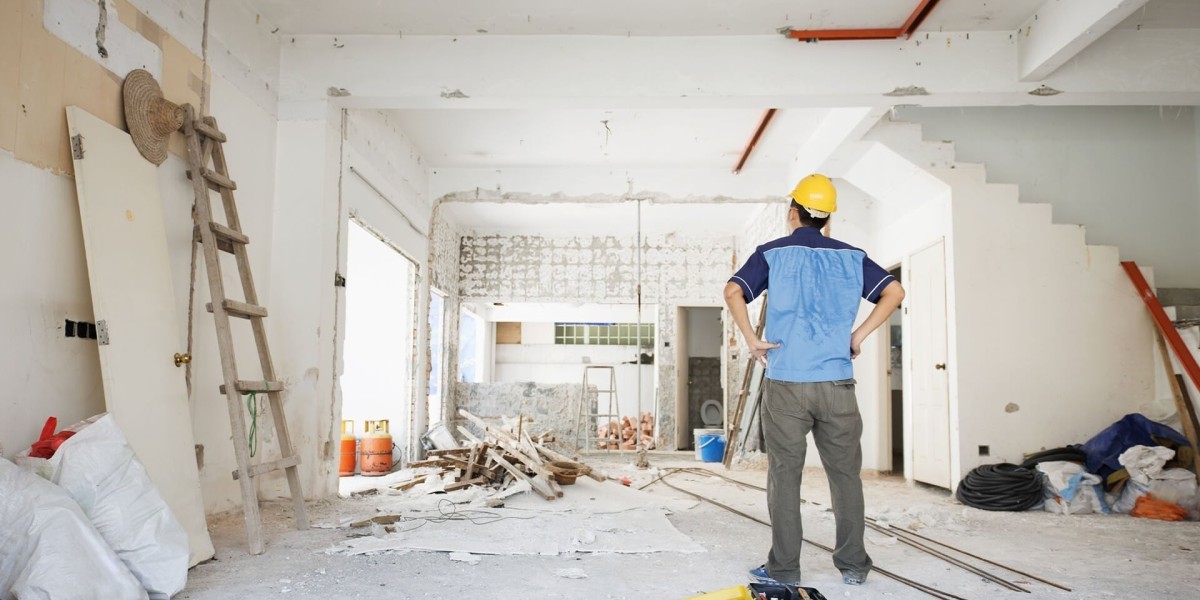

Renovations can transform a home — but they can also go sideways fast. For homeowners planning Edmonton Home renovations, the difference between a smooth project and an expensive nightmare is often simple: plan the invisible systems first, get permits sorted early, and hire a contractor who communicates. This guide explains the common mistakes Edmonton homeowners make, shows how to prevent them, and points you toward actions that save time and stress while protecting your home.
Why mistakes in Edmonton Home renovations happen
Local climate, older homes, and municipal rules create a special set of risks for renovations in this region. Long winters and freeze–thaw cycles change how foundations, roofs, and ventilation systems behave; older homes may hide outdated plumbing and electrical systems that only show up once walls come down. At the same time, the City has specific permit and inspection expectations for many renovation activities — failing to check them opens the door to stop-work orders and rework. Starting with a solid plan reduces both surprises and the risk of finding critical problems partway through a project.
“Most renovation failures are avoidable,” says Joanna Myers, Renovation Strategist (fabricated but representative). “They come from skipping discovery, not from design choices. Diagnose first, design second.”
Mistake one — skipping the diagnostic inspection
Why this happens
Homeowners eager to “get started” sometimes bulldoze into demolition without verifying what’s behind finishes. They assume walls and floors are sound, and that vents and wiring are where drawings say they should be.
Why it costly
Hidden moisture, old wiring, undersized service panels, and improperly routed venting are typical discoveries after demolition. Once uncovered, these issues force design changes, urgent trades, and permit amendments — all of which add time, stress, and costs.
How to avoid it
Book a diagnostic inspection before the demo. A good diagnostic will include photos, moisture checks, electrical panel review, and vent routing. That report becomes the factual brief contractors use to price work and prepare permit drawings. Steadfast Constructions Ltd. provides diagnostic site visits with clear, photographed findings so homeowners start from facts rather than assumptions.
Mistake two — assuming permits aren’t needed
Why this happens
Homeowners and even some tradespeople sometimes believe small interior changes don’t need municipal paperwork. That’s a risky assumption.
Why it costly
Edmonton requires permits for many renovation elements: moving plumbing, changing electrical service, creating bedrooms in basements, and certain structural changes. If work proceeds without permits and an inspector later discovers it, you may face stop-work orders, required remedial work, or problems when selling the home.
How to avoid it
Check municipal requirements early. If it looks like plumbing, electrical, or structural work is involved, ask a contractor to prepare permit-ready drawings and handle submissions. A contractor that manages permits reduces the homeowner’s paperwork and speeds inspections. See the City’s renovation pages for common triggers.
Mistake three — neglecting moisture and the building envelope
Why this happens
Moisture problems often start outside the home: clogged gutters, poor grading, or compromised membranes. People focus on interior finishes and miss the source.
Why it costly
Finishing over an unresolved moisture issue leads to recurring mould, damaged finishes, and repeated repairs. These are the most common long-term regrets homeowners report.
How to avoid it
Follow a systems-first approach: identify and remediate moisture sources before finishing. The Canada Mortgage and Housing Corporation recommends addressing exterior drainage and proven waterproofing solutions before installing drywall or wood flooring. If you have a basement or lower-level dampness, solve the exterior and foundation issues first.
Mistake four — poor ventilation planning
Why this happens
Ventilation often feels like a low priority next to countertops and paint. But in cold climates where windows are closed for many months, mechanical ventilation is central to indoor air quality.
Why it costly
Improperly vented kitchens, bathrooms, or dryers that dump into attics create hidden moisture accumulation, insulation damage, and odour problems that appear months after completion.
How to avoid it
Plan ventilation during design. Use ducted fans that terminate outdoors, choose humidity-sensing controls for bathrooms, and ensure dryer vents are routed and metal where possible. In airtight homes, coordinate mechanical ventilation (ERV/HRV) with exhaust loads to avoid negative pressure. Health Canada guidance highlights the importance of effective ventilation for healthy indoor air.
Mistake five — not planning electrical needs early
Why this happens
Homeowners often choose layouts and appliances without confirming panel capacity or dedicated circuit needs.
Why it costly
Mid-project changes to add circuits or upgrade panels cause delays and require additional permit work. For kitchens and laundries, failing to plan for dedicated circuits is a frequent cause of schedule disruptions.
How to avoid it
Include a licensed electrician in the diagnostic stage. Map major appliances, under-counter heaters, electric ranges, and any specialty items so the electrical plan can be part of the initial permit package. This keeps inspections predictable and avoids last-minute rewiring.
Mistake six — underestimating the impact of layout changes
Why this happens
Moving a sink, range, or bathroom fixture might look like a small plan change on paper. In reality, rerouting plumbing or changing structural supports can add complexity.
Why it costly
Relocating wet fixtures often requires cutting into floors or walls and may reveal subfloor issues or structural members that need reinforcement.
How to avoid it
Keep wet fixtures aligned where possible, or plan plumbing relocations during the diagnostic phase. A designer familiar with local building practices will help you balance the desire for change against risk and disruption. Steadfast Constructions Ltd. provides layout advice that minimizes invasive work while delivering functional outcomes.
Mistake seven — choosing finishes before addressing systems
Why this happens
Finishes are fun and visible; owners naturally want to pick them early. But choosing finishes before systems can lock you into designs that are hard to implement.
Why it costly
Changing finishes after systems work is installed often means reordering materials, changing installation methods, or even redoing parts of the project.
How to avoid it
Sequence the work: diagnostic, systems remediation (moisture, electrical, HVAC, plumbing), then finishes. Select finishes informed by the finalized construction details so nothing needs rework.
Mistake eight — hiring the wrong contractor or not checking references
Why this happens
Homeowners sometimes pick the lowest quote or hire based on a quick online search without vetting.
Why it costly
Poor communication, missed schedules, subcontractor churn, and a lack of insurance are common contractor-related failures. These issues lead to delays, unexpected change orders, and homeowner frustration.
How to avoid it
Vet candidates carefully: ask for recent local projects, check references directly, confirm insurance and worker-compensation coverage, and prefer contractors who handle permits and coordinate licensed trades. Expect a clear scope and a single project manager. Steadfast Constructions Ltd. emphasizes transparent scopes, photo-based diagnostics, and permit coordination to reduce contractor-related risk.
Mistake nine — ignoring accessibility and future-proofing
Why this happens
People often design for current needs and forget aging-in-place or resale considerations.
Why it costly
Retrofitting grab bars, widening doorways, or replacing step-in showers later is disruptive and typically more expensive than building modest future-proofing into the initial renovation.
How to avoid it
Include subtle future-proof features now: blocking for grab bars, reinforced framing where fixtures will mount, and a plan for non-slip flooring. These small inclusions add comfort and resale appeal without sacrificing design.
Mistake ten — poor communication and lack of documentation
Why this happens
Projects that lack a single information source lead to mismatched expectations. Homeowners assume details were agreed to; contractors rely on memory.
Why it costly
Misalignment over finishes, timelines, or scope results in change orders, arguments, and delays.
How to avoid it
Require written scopes, weekly progress updates, and photo logs. Keep a single communication channel and document any changes with written change orders. A structured approach to communication is one of the most effective tools in preventing disputes.
Real-world example: a renovation rescued by planning
An Edmonton family began removing kitchen finishes to open to the living room. In demolition, they found an outdated service panel and a vent improperly terminating into the attic. Because they had paused and called in a contractor for a diagnostic, the issues were documented and permit amendments arranged before framing resumed. The team re-sequenced work: panel upgrades and duct rerouting happened first, then layout changes and finishes. The project passed inspections, and the family avoided the common cascade of delays that often follows mid-project discoveries.
How Steadfast Constructions Ltd. helps Edmonton homeowners avoid these mistakes
Steadfast takes a system. ms-first, documented approach that reduces the typical renovation pitfalls:
Diagnostic inspections with photo-based reports so scopes are accurate and comparable.
Permit-ready drawings and municipal submission support to keep inspections predictable.
Coordination of licensed trades (electrical, plumbing, HVAC) and a single project manager to manage timelines and communication.
Practical design guidance focused on durability, ventilation, and low-maintenance finishes that suit the local climate.
When homeowners engage Steadfast, they get a contractor who plans for the invisible work first, so finishes last longer and projects stay on track.
Conclusion —
Avoiding costly mistakes in Edmonton Home renovations starts with a few straightforward practices: write a short brief, schedule a diagnostic inspection, prioritise systems and permits, plan ventilation and electrical needs early, and pick a contractor who documents everything and manages permits. These steps reduce surprises, protect your home, and make the renovation experience far more predictable.
If you want a renovation partner who focuses on the systems that matter and manages municipal requirements, Steadfast Constructions Ltd. provides diagnostic visits, permit-ready drawings, and single-point project management to help Edmonton homeowners get it right.
Contact Steadfast Constructions Ltd. today to schedule your diagnostic visit and start with confidence.
Frequently Asked Questions (FAQ) —
1. Do I always need permits for home renovations in Edmonton?
Many renovation tasks require permits — especially electrical, plumbing, structural changes, and basement finishing. It’s best to check early with the City or hire a contractor who handles submissions.
2. What should a diagnostic inspection include before I demolish?
A thorough diagnostic covers moisture checks, electrical panel condition, vent routing, soil-stack location for plumbing, and visible structural issues. A photo-based report is ideal to share with contractors.
3. How can I avoid moisture problems during renovations?
Address exterior drainage, gutters, and downspouts first, fix known plumbing leaks, and ensure proper waterproofing and membranes before installing moisture-sensitive finishes.
4. How do I ensure my contractor is reliable?
Ask for recent local references, confirm insurance and worker-compensation coverage, expect a clear written scope and change-order process, and prefer contractors who handle permits and trade coordination.
5. What small decisions help future-proof my renovation?
Include blocking for future grab bars, choose non-slip flooring in wet areas, and consider reinforced framing where heavy fixtures or grab bars may be added later.