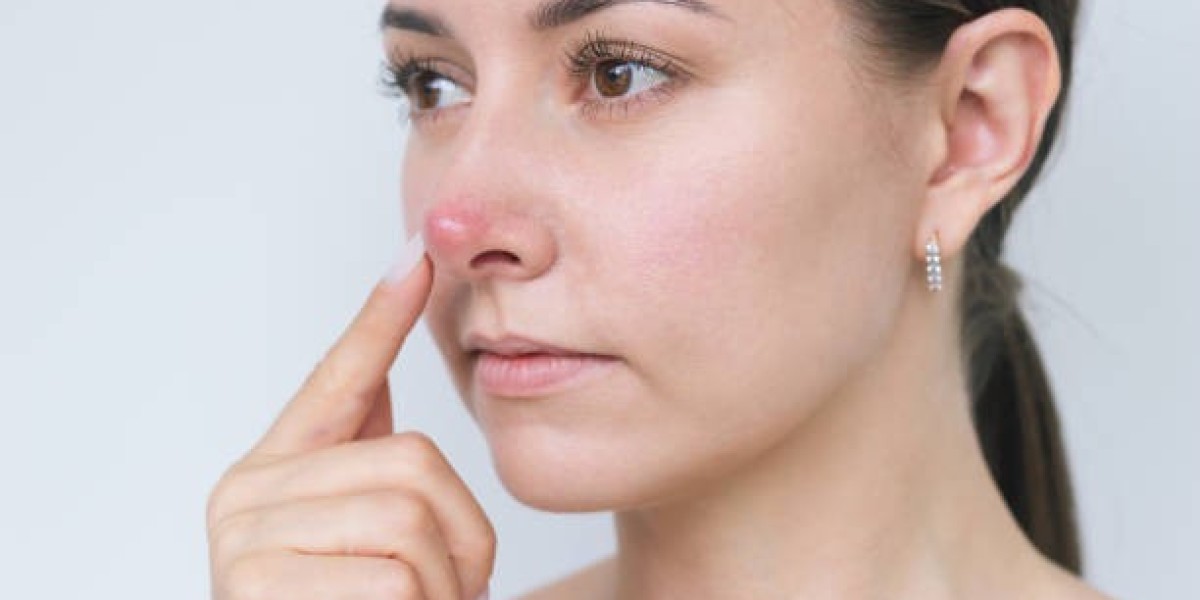

Imagine waking up to a mirror reflecting an unexpected red glow around your nose—frustrating, right? This common issue affects millions, turning simple daily routines into self-conscious moments. Whether it's a persistent flush or sudden irritation,Cause of sudden redness of the nose(سبب احمرار الأنف المفاجئ) grabs attention because it signals something worth addressing. In this guide, we'll dive into why it happens, how to prevent it, and practical care steps to restore your skin's calm confidence. Stick around for engaging insights backed by dermatological wisdom, helping you reclaim clear skin without the guesswork.
What Causes Redness Around the Nose?
Redness around the nose often stems from everyday triggers that inflame delicate facial skin. Environmental factors like harsh winds or dry air strip natural moisture, leaving the area prone to irritation. Allergies play a villainous role too—pollen, dust mites, or pet dander can spark histamine responses, causing blood vessels to dilate and create that telltale flush.
Internally, conditions amplify the drama. Redness of the skin around the nose: its causes and treatment frequently links to rosacea, a chronic disorder flaring with heat, stress, or spicy foods, turning cheeks and nose into a rosy map. Seborrheic dermatitis thrives in oily zones like the nose creases, fueled by yeast overgrowth and stress, producing red, scaly patches that itch relentlessly.
Don't overlook habits: frequent nose-blowing from colds or allergies traumatizes skin, while aggressive scrubbing with rough towels worsens micro-tears. Hormonal shifts during menopause or puberty can dilate vessels, mimicking these effects. Each cause builds a unique story, but recognizing patterns empowers proactive steps.
Common Skin Conditions Behind the Redness
Delve deeper into culprits mimicking innocent irritation. Rosacea tops the list, with subtypes causing papules, pustules, or thickened skin around the nose—think "rhinophyma" in advanced cases, where the nose bulbously reddens. Triggers? Sun exposure, alcohol, or hot beverages rev up vascular chaos.
Seborrheic dermatitis favors the T-zone, blending redness with greasy scales from Malassezia yeast feasting on sebum. Psoriasis occasionally joins, delivering thick, red plaques edged with silver scales, often itchier at night.
Perioral dermatitis sneaks in with steroid creams or fluoridated toothpaste, forming red bumps around the mouth and nose. Contact dermatitis from nickel in glasses or fragranced products sparks allergic fireworks. These conditions overlap, demanding keen observation—track flare-ups via a skin diary for clues.
Lifestyle and Environmental Triggers
Your daily grind fuels the fire. Spicy foods and caffeine dilate vessels, while stress hormones like cortisol boost oil production, inviting dermatitis. Smoking constricts then rebounds blood flow, etching permanent redness.
Environmentally, Pakistan's dry winters or polluted Rawalpindi air dehydrate skin, cracking barriers. UV rays penetrate thin nasal skin, provoking photoallergic reactions. Makeup? Pore-clogging foundations trap bacteria, breeding folliculitis—tiny red pimples.
Habits like habitual face-touching transfer oils and germs, while hot showers steam open pores, exacerbating sensitivity. Prevention starts with awareness: swap habits for gentler alternatives to dim the red alert.
Diagnosing the Redness: When to Seek Help
Self-diagnosis tempts, but pros spot nuances. Persistent redness lasting weeks, accompanied by burning, swelling, or pustules, warrants a check. If over-the-counter creams fail after two weeks, escalate.
Dermatologists use visual exams, Wood's lamp for fluorescence, or biopsies for confirmation. Rule out lupus or infections via blood tests. Early intervention halts progression—think rosacea evolving to eye irritation or dermatitis scarring.
Track symptoms: photos, triggers, and timelines aid diagnosis. Empower yourself; knowledge turns vague worry into targeted action.
Effective Treatments for Red Skin Around the Nose
Treatment tailors to the cause, blending topicals, orals, and lifestyle tweaks. For rosacea, metronidazole or azelaic acid gels calm inflammation, while low-dose doxycycline curbs flares internally. Seborrheic cases respond to antifungal shampoos like ketoconazole, applied as face washes.
Moisturize relentlessly with ceramide-rich, fragrance-free barriers to repair the skin mantle. Hydrocortisone 1% offers short-term itch relief, but taper to avoid rebound. Laser therapy zaps visible vessels for lasting clarity.
Natural allies shine: green tea's antioxidants soothe, aloe vera hydrates, and licorice extract fades redness. Consistency is key—pair with sunblock for amplified results. Redness of the skin around the nose: its causes and treatment transforms frustration into fading flushes.
Prevention Strategies to Keep Redness at Bay
Prevention outsmarts recurrence. Build a gentle routine: cleanse with micellar water, moisturize twice daily, and apply broad-spectrum SPF 30+. Avoid triggers—log spicy meals or stress spikes via apps.
Humidifiers combat dry air, especially in Punjab's harsh seasons. Opt for hypoallergenic makeup, removing with oil-free wipes. Diet tweaks like omega-3s from fish reduce inflammation.
Stress-busters like yoga or meditation lower cortisol. Weekly masks with oatmeal calm proactively. These habits fortify skin, making redness a rare visitor.
Daily Care Routine for Sensitive Nose Area
Craft a ritual for resilience. Morning: lukewarm water rinse, peptide serum, moisturizer, SPF. Evening: double-cleanse, niacinamide for barrier boost, overnight occlusive.
Exfoliate mildly biweekly with lactic acid, dodging scrubs. Pat dry—never rub. Weekly, clay masks absorb excess oil without stripping.
Tailor to type: oily noses love mattifying gels; dry ones crave creams. Track glow-ups; adjust as seasons shift. This routine turns care into confidence.
Long-Term Management and Skin Health Tips
Sustain gains with holistic health. Hydrate internally—2-3 liters water daily flushes irritants. Sleep 7-9 hours; poor rest spikes inflammation.
Supplements like zinc or probiotics balance microbiomes. Annual derm check-ups catch evolutions early. Mindset matters: view skin as a dynamic canvas, not a flaw.
Community forums share triumphs, but vet advice. Patience rewards—consistent care yields even-toned radiance.
Ready to take the next step? Book an appointment for consultation at Enfield Royal Riyadh (إنفيلد رويال الرياض) and get personalized expert guidance.
FAQs
Can diet trigger redness around the nose?
Absolutely—spicy foods, alcohol, and histamine-rich eats like aged cheese dilate vessels, worsening rosacea or dermatitis. Swap for anti-inflammatory greens and probiotics.
How long does treatment take for perinasal redness?
Visible improvement often hits in 2-4 weeks with topicals, but full calm needs 3 months. Consistency beats speed.
Is sunscreen enough to prevent nose area redness?
It's a powerhouse against UV-triggered flares, but pair with moisturizers and trigger avoidance for total defense.
Does stress worsen skin redness near the nose?
Yes—cortisol ramps oil and inflammation. Meditation or walks slash flares by 30-50% in studies.
Are home remedies safe for treating nose redness?
Aloe, chamomile, or oatmeal soothe mildly, but patch-test first. Severe cases need pro input to avoid irritation.