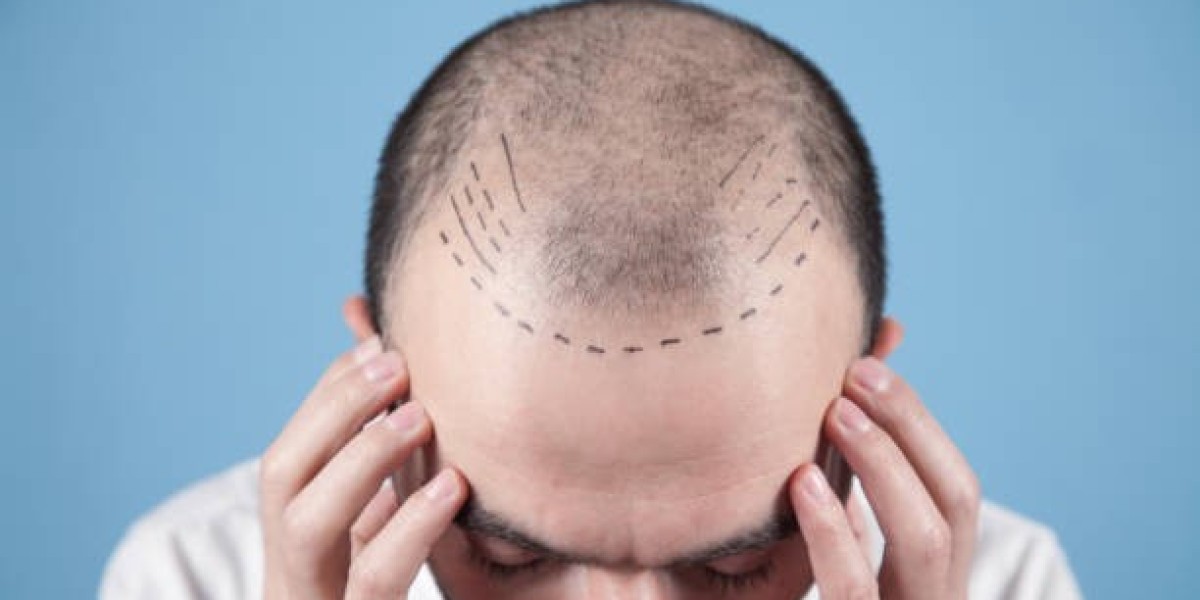

The healing process after a hair transplant is a gradual journey that plays a crucial role in determining the quality and longevity of results, making it important for patients to understand what happens at each stage; immediately after the procedure, the scalp begins its natural repair cycle while transplanted follicles settle into their new environment, and individuals opting for Hair transplant cost in Riyadh (تكلفة زراعة الشعر في الرياض) often benefit from clear guidance on healing milestones to stay confident and patient throughout recovery.
What to Expect in the First Few Days After the Procedure
The initial days following a hair transplant are focused on protection and stabilization of the transplanted follicles, as the scalp may show mild redness, swelling, or sensitivity; small scabs form around grafts as part of natural healing, and patients who choose Hair transplant in Riyadh are typically advised to follow careful scalp care routines during this phase to support follicle survival and prevent unnecessary irritation.
Week One to Two: Early Healing and Scalp Adjustment
During the first one to two weeks, visible signs of the procedure begin to improve as scabs gradually fall off and the scalp becomes less sensitive; this phase marks an important transition where gentle cleansing and avoidance of friction help ensure that grafts remain secure and the healing process continues smoothly.
Understanding the Shedding Phase
A common and expected stage in the healing timeline is temporary shedding of transplanted hair, which can occur within the first few weeks; although this may seem concerning, it is a natural response as follicles enter a resting phase beneath the scalp, preparing for healthy regrowth in the coming months.
One to Three Months: Dormant Phase and Internal Recovery
Between one and three months, the scalp appears mostly healed on the surface while deeper follicle recovery continues internally; during this time, visible hair growth may be minimal, but maintaining consistent scalp care and a healthy routine supports the foundation for stronger and more even regrowth.
Three to Six Months: Early Hair Growth Begins
New hair growth typically starts to become noticeable around the third to fourth month as follicles re-enter the active growth cycle; hair may initially appear fine or uneven, but gradual thickening follows, and those who undergo Hair transplant in Riyadh often observe steady improvement in coverage and texture during this phase.
Six to Twelve Months: Visible Density Improvement
Between six and twelve months, hair growth becomes more consistent, and noticeable density improvements develop across treated areas; transplanted hair begins to blend naturally with existing strands, creating a fuller and more balanced appearance that reflects the long-term success of the procedure.
Essential Scalp Care Practices After Hair Transplant
Proper scalp care is essential throughout the healing timeline to protect follicles and support healthy growth; gentle washing, avoiding harsh products, minimizing sun exposure, and keeping the scalp clean all contribute to a favorable healing environment and long-lasting results.
Importance of Lifestyle Choices During Recovery
Lifestyle habits play a supportive role in scalp healing and hair growth, as adequate hydration, balanced nutrition, and stress management help maintain overall scalp health; avoiding smoking and excessive physical strain during early recovery stages further supports follicle stability and healing.
Common Healing Concerns and How to Manage Them
Itching, dryness, or mild tightness are common sensations during recovery and usually resolve with proper care; following professional guidance and resisting the urge to scratch or pick at the scalp helps prevent complications and supports uninterrupted healing.
Long-Term Scalp Health After Healing
Once the healing phase is complete, maintaining scalp health remains important for preserving results; regular follow-ups, healthy hair care routines, and ongoing attention to scalp condition allow transplanted hair to thrive naturally over time.
Emotional Reassurance During the Healing Journey
The healing timeline requires patience, as visible changes occur gradually rather than instantly; understanding each phase helps reduce anxiety and allows individuals to focus on long-term improvement rather than short-term fluctuations in appearance.
Why Professional Guidance Matters During Healing
Professional supervision throughout the healing process ensures that recovery stays on track and any concerns are addressed early; experienced specialists provide tailored advice that supports optimal outcomes and protects the investment made in hair restoration.
Book Your Hair Transplant Aftercare Consultation at Royal Clinic Saudia
If you want clear guidance on hair transplant healing timelines and essential scalp care, Royal Clinic Saudia (عيادات رويال كلينك) offers personalized aftercare consultations designed to support healthy recovery and lasting results; book your appointment today to receive expert advice and ensure your hair restoration journey progresses smoothly and confidently.