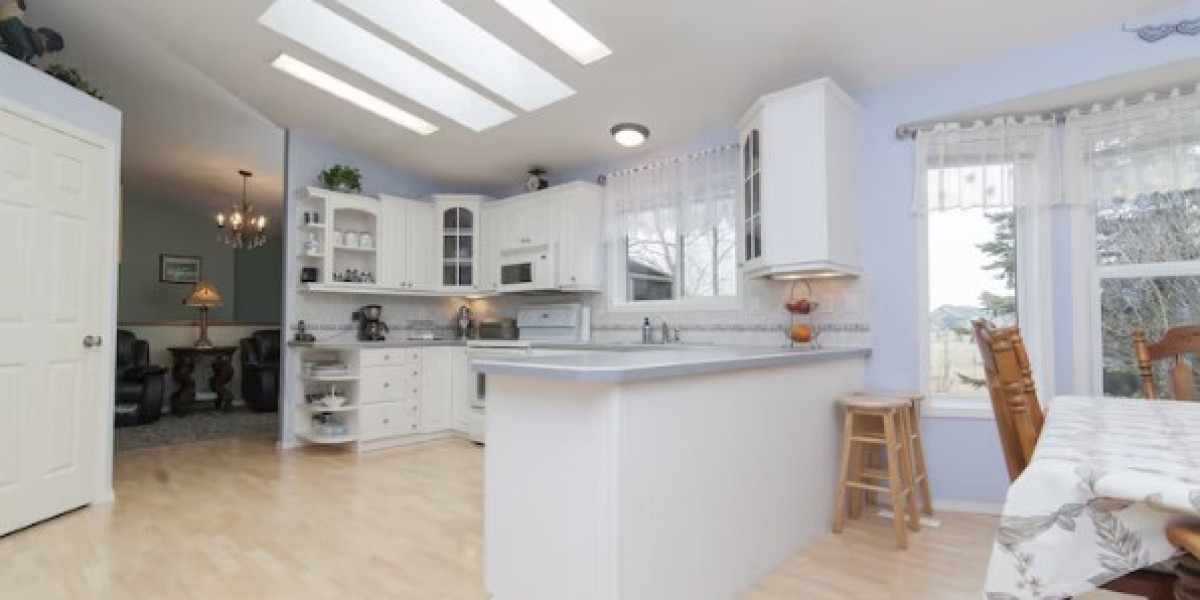

Designing a kitchen is more than just choosing cabinets, countertops, and appliances; it’s about creating a functional and comfortable workspace. One common question homeowners often ask is: How much space should be left between a kitchen island and the surrounding counter? This seemingly simple measurement can make a significant difference in both the aesthetics and usability of your kitchen. To answer this question, consulting with professionals like The Kitchen Consultants can ensure your kitchen is both beautiful and practical.
Understanding Kitchen Workflow
The kitchen is often described as the heart of the home, and its layout significantly impacts how efficiently you can cook and move around. The distance between a kitchen island and the main counter is crucial because it influences traffic flow, safety, and accessibility. A kitchen island is not just an extra workspace; it often serves as a dining area, a spot for homework, or even a social hub. Therefore, knowing how much space between a kitchen island and the counter is necessary is vital to avoid overcrowding.
According to design standards suggested by experts, including The Kitchen Consultants, the ideal distance between a kitchen island and the surrounding counter typically ranges from 42 to 48 inches. This range allows enough room for one or more people to work comfortably without bumping into each other. In narrower kitchens, a minimum of 36 inches can suffice, but it may restrict movement if multiple people are using the kitchen at once.
Factors Influencing Kitchen Island Spacing
Several factors determine the appropriate spacing between a kitchen island and the counter:
- Kitchen Size: Naturally, larger kitchens can accommodate more generous spacing. In smaller kitchens, islands may need to be more compact, which might require creative placement to maintain adequate walking paths. The Kitchen Consultants often evaluate kitchen dimensions to recommend the perfect layout tailored to the homeowner’s needs.
- Appliance Placement: Consider where ovens, dishwashers, refrigerators, and sinks are located. These appliances require clearances for doors to open fully, and if an island is too close, it can impede their function. Adequate spacing ensures that drawers, doors, and appliances can operate without obstruction.
- Traffic Flow: The kitchen is a high-traffic area, so spacing must allow people to pass through without disturbing ongoing tasks. A well-measured distance between the island and counter contributes to smooth workflow, making cooking and cleaning more efficient. The Kitchen Consultants emphasize that planning for natural movement paths in the kitchen prevents future frustration and congestion.
- Seating and Functionality: Islands often double as seating areas. If bar stools or chairs are part of the design, extra space is required to allow people to sit comfortably without interfering with those cooking. Typically, at least 24 to 30 inches of clearance behind seating areas is recommended, in addition to the 42-48 inch gap around the island.
The Role of The Kitchen Consultants
For homeowners unsure about precise measurements, professional guidance is invaluable. The Kitchen Consultants specialize in assessing kitchen layouts, taking into account the dimensions of your space, the appliances, and how you intend to use your island. They provide personalized recommendations that maximize both space and functionality.
Working with a professional ensures that the final layout adheres to design standards while reflecting your lifestyle. For example, if your kitchen often serves as a gathering spot, you might need a slightly larger gap than the minimum to allow multiple people to move freely. Conversely, for a smaller, minimalist kitchen, The Kitchen Consultants can design an island that is visually appealing and functional without overcrowding the space.
Common Mistakes in Island Placement
Many homeowners make mistakes when determining the spacing between their kitchen island and counters:
- Underestimating Walking Space: It’s easy to assume that a smaller gap is acceptable, especially in compact kitchens. However, insufficient space can make cooking uncomfortable and create safety hazards.
- Ignoring Appliance Doors: Not accounting for appliance clearance is a frequent oversight. Dishwashers, ovens, and refrigerators need space to open fully, or the island may block access.
- Overlooking Seating Needs: Islands are often used as casual dining areas. Without sufficient clearance behind chairs or stools, the island can become inconvenient for both diners and those working in the kitchen.
- Neglecting Flow to Adjacent Areas: Kitchens connect to dining rooms, living rooms, and hallways. Poor island placement can disrupt the natural flow between these spaces. The Kitchen Consultants always consider adjacent areas to ensure the kitchen integrates smoothly with the rest of the home.
Tips for Perfect Kitchen Island Spacing
To ensure your kitchen island enhances functionality rather than hinders it, keep these tips in mind:
- Maintain a minimum of 42 inches between the island and counters, with 48 inches being ideal for larger kitchens.
- Leave extra space around high-traffic zones, such as the sink, stove, and refrigerator.
- Consider multi-use islands with seating, prep space, and storage to maximize utility without cluttering the kitchen.
- Test the layout using tape or cardboard cutouts to visualize movement before installation.
- Consult with professionals like The Kitchen Consultants, who can provide precise measurements tailored to your specific kitchen layout and lifestyle.
Customization for Your Lifestyle
Every kitchen is unique, and the distance between a kitchen island and counter isn’t a one-size-fits-all solution. Families who cook together frequently may benefit from a wider gap to allow multiple cooks to work simultaneously. In contrast, a single homeowner might prefer a smaller island to maximize counter space. The Kitchen Consultants take all these factors into account, creating layouts that balance aesthetics, efficiency, and comfort.
Conclusion
Deciding how much space between a kitchen island and the counter is crucial to designing a kitchen that is both functional and welcoming. Maintaining the recommended 42-48 inch clearance ensures safety, accessibility, and comfort, while careful planning allows the island to serve multiple purposes without overcrowding the space.
Professional guidance from experts like The Kitchen Consultants can make a significant difference in achieving the perfect kitchen layout. They provide insights into traffic flow, appliance placement, and seating considerations, ensuring your kitchen meets your practical needs while remaining stylish.
Ultimately, investing time in proper planning and consulting with professionals will pay off with a kitchen that is not only visually stunning but also highly functional. By carefully measuring the distance between your kitchen island and counters, you create a space where cooking, entertaining, and daily living are effortless and enjoyable.
Whether you are renovating an existing kitchen or designing a new one from scratch, understanding the importance of island spacing and leveraging expert advice from The Kitchen Consultants ensures that your kitchen remains the heart of your home for years to come.