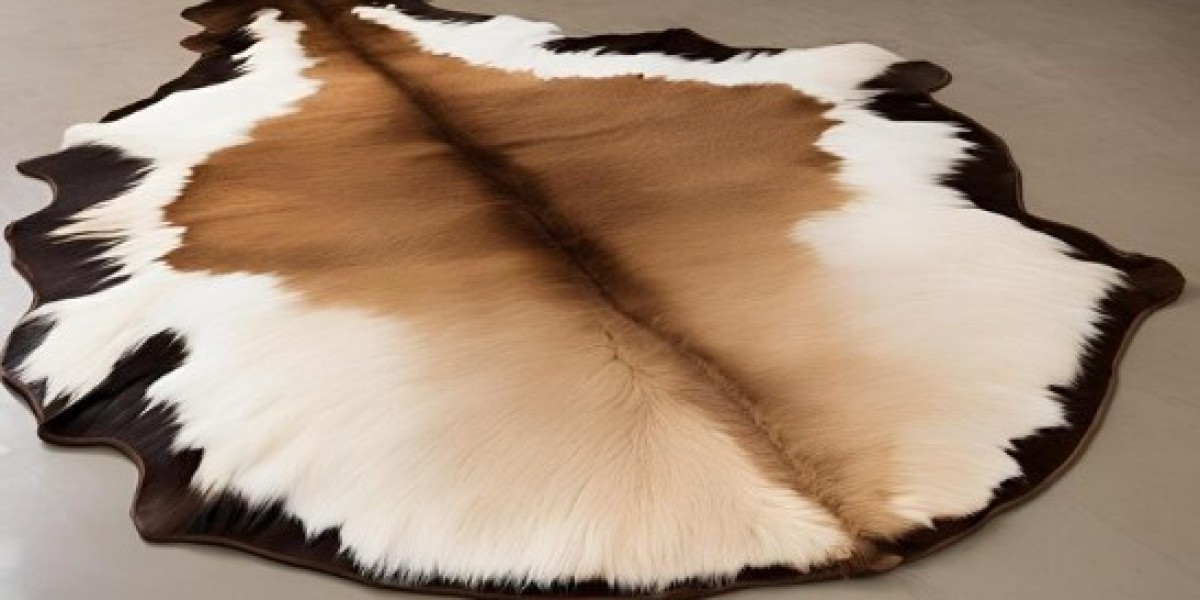

Taxidermy has long been an intersection of art, science, and respect for wildlife. Among its many forms, Wilderness Taxidermy stands out as a discipline deeply rooted in nature, tradition, and ethical craftsmanship. It reflects a desire to preserve the beauty of wild animals in a way that honors their life and habitat. One of the most iconic expressions of this craft is Bear Skin Rug Taxidermy, a practice that blends historical significance with skilled artistry.
Understanding Wilderness Taxidermy
Wilderness Taxidermy focuses on capturing the authentic essence of animals that live in natural environments. Unlike decorative or commercial taxidermy, this approach emphasizes realism, anatomical accuracy, and respect for the animal’s natural posture and character. Each project is treated as a tribute to the wilderness itself, preserving not only the animal but also the story it represents.
Artists working in Wilderness Taxidermy often have deep knowledge of animal behavior, muscle structure, and habitat. This understanding allows them to create pieces that feel lifelike rather than artificial. The goal is not exaggeration or spectacle, but preservation—maintaining the animal’s natural dignity and presence.
The Cultural Significance of Bear Skin Rugs
Among the most recognized forms of traditional taxidermy is Bear Skin Rug Taxidermy. Historically, bear skin rugs symbolized strength, survival, and a deep connection to the land. Indigenous cultures, early settlers, and hunters often used bear skins for warmth, ceremonial purposes, and storytelling.
Today, Bear Skin Rug Taxidermy continues to carry that legacy forward. While modern techniques have improved durability and realism, the symbolic value remains unchanged. A properly prepared bear skin rug represents respect for the animal and the wilderness it came from, rather than mere decoration.
The Process Behind Bear Skin Rug Taxidermy
The process of Bear Skin Rug Taxidermy is both technical and artistic. It begins with careful skinning to ensure the hide remains intact. Precision is essential at this stage, as any damage can affect the final result. Once the hide is removed, it undergoes a detailed tanning process that preserves the fur, prevents decay, and ensures long-term durability.
After tanning, the hide is shaped and backed with supportive material to allow it to lay flat while maintaining a natural appearance. The head is often mounted using a detailed form that replicates the bear’s facial structure. Skilled taxidermists pay close attention to the eyes, nose, and mouth, as these features bring life and expression to the finished piece.
In Wilderness Taxidermy, special care is taken to avoid over-stylization. The bear’s natural characteristics—such as fur patterns, muscle contours, and even scars—are preserved whenever possible. This authenticity is what separates high-quality Bear Skin Rug Taxidermy from mass-produced imitations.
Ethics and Responsibility in Wilderness Taxidermy
Ethics play a critical role in Wilderness Taxidermy. Responsible practitioners ensure that animals are sourced legally and ethically, often through regulated hunting or wildlife management programs. The purpose is never wasteful; instead, taxidermy ensures that the animal is honored and preserved rather than discarded.
Bear Skin Rug Taxidermy, when done ethically, reflects a commitment to conservation. Many hunters choose this form of preservation to commemorate the experience and maintain a lasting reminder of the wilderness. Ethical taxidermists emphasize transparency, legality, and respect throughout the entire process.
Artistic Value and Craftsmanship
Wilderness Taxidermy is as much an art form as it is a technical skill. Every piece is unique, shaped by the animal itself and the vision of the taxidermist. Subtle details such as fur flow, color variation, and natural posture require patience and expertise.
In Bear Skin Rug Taxidermy, craftsmanship is especially visible. The symmetry of the rug, the lifelike expression of the head, and the smooth finishing all reflect the artist’s dedication. High-quality work can take months to complete, as rushing the process can compromise both appearance and longevity.
Modern Applications and Interior Design
While rooted in tradition, Wilderness Taxidermy has found a place in modern interior design. Natural elements are increasingly valued in home décor, and taxidermy pieces can serve as focal points that evoke warmth, history, and connection to nature.
Bear Skin Rug Taxidermy is often used in rustic cabins, lodges, or heritage-inspired spaces. When thoughtfully placed, it adds character without overpowering the room. Modern designers tend to incorporate these pieces as storytelling elements rather than status symbols, aligning with the respectful principles of Wilderness Taxidermy.
Preservation and Longevity
Proper care is essential to maintaining taxidermy pieces. Wilderness Taxidermy requires protection from excessive moisture, direct sunlight, and pests. Regular inspections and gentle cleaning help preserve the integrity of the fur and hide.
Bear Skin Rug Taxidermy, in particular, benefits from occasional professional maintenance. With proper care, a well-crafted rug can last for generations, becoming a family heirloom that carries both personal and historical significance.
Choosing the Right Taxidermist
Selecting a skilled professional is crucial for achieving quality results. Experienced Wilderness Taxidermy artists understand the balance between realism and durability. They communicate clearly about expectations, timelines, and care requirements.
For Bear Skin Rug Taxidermy, expertise matters even more due to the size and complexity of the project. A knowledgeable taxidermist will guide clients through the process, ensuring the final piece aligns with ethical standards and artistic goals.
The Enduring Appeal of Wilderness Taxidermy
The continued interest in Wilderness Taxidermy reflects a broader appreciation for nature and craftsmanship. In a world increasingly dominated by synthetic materials, authentic representations of wildlife offer a tangible connection to the natural world.
Bear Skin Rug Taxidermy remains a powerful symbol within this tradition. When created with respect and skill, it stands as a reminder of humanity’s long relationship with wildlife and the importance of conservation, responsibility, and artistry.
Conclusion
Wilderness Taxidermy is more than preservation—it is storytelling through craftsmanship. It captures moments from the wild and transforms them into lasting tributes. Within this tradition, Bear Skin Rug Taxidermy holds a special place, combining cultural history, artistic excellence, and ethical responsibility.
When approached thoughtfully, these practices honor both the animal and the environment, ensuring that the spirit of the wilderness continues to be appreciated for generations to come.