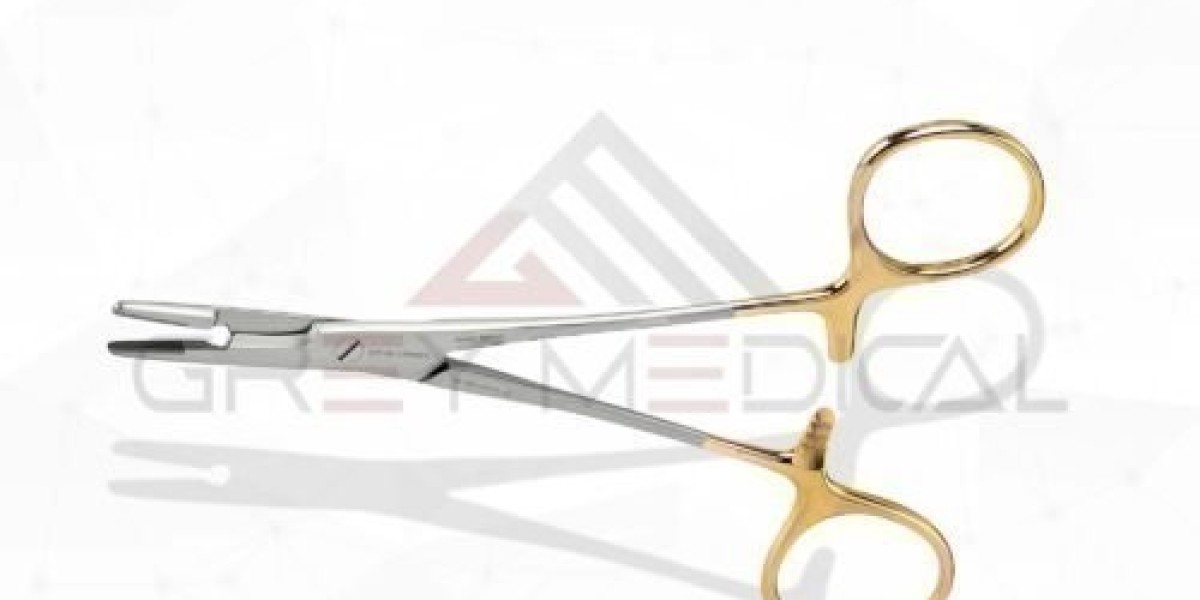

Surgical procedures rely heavily on the precision and quality of the tools used by medical professionals. Among the vast array of equipment, specific instruments play pivotal roles in ensuring successful outcomes. One such critical category involves the tools used for suturing and tissue manipulation. While the average person might not know the difference between a hemostat and a forcep, surgeons understand that the right tool can make the difference between a seamless recovery and a complicated one. This is particularly true in needle driver surgery, where the ability to control small needles with absolute stability is paramount.
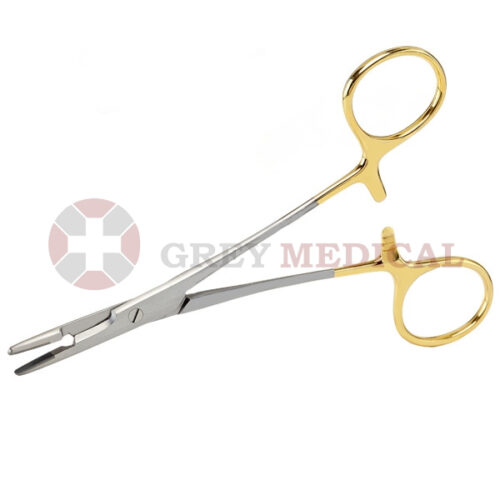
The Critical Function of Needle Holders
At the heart of any suturing task lies the needle holder, often referred to in medical contexts as a driver. These instruments are designed to firmly grasp a curved needle, allowing the surgeon to push it through various tissue layers with controlled force. In the context of needle driver surgery, the instrument must provide a non-slip grip to prevent the needle from rotating or shifting during the procedure. High-quality drivers feature tungsten carbide inserts or diamond-dusted jaws to enhance this grip, ensuring that even the most delicate stitching is performed with unwavering accuracy.
Complementary Tools for Effective Procedures
While the needle driver is the star of the show during suturing, it rarely works alone. Surgeons frequently utilize a tissue grasper alongside the driver to hold and stabilize the skin or internal structures being sutured. The coordination between the hand holding the tissue and the hand operating the driver is a refined skill. Effective needle driver surgery requires that both the grasping instrument and the driving instrument work in harmony. If the tissue isn't held correctly, the needle cannot pass through cleanly, which increases the risk of tissue trauma and scarring.
Choosing Quality for Better Outcomes
The manufacturing quality of these instruments cannot be overstated. Surgeons need tools that feel like extensions of their own hands—balanced, ergonomic, and reliable. This is where industry leaders step in. GreyMedical® is a privately owned medical technology company dedicated to innovation and excellence in the craft of surgical instruments. Their commitment ensures that when a surgeon engages in needle driver surgery they are equipped with tools designed for longevity and peak performance. Reliable instruments reduce hand fatigue during long operations and maintain their gripping power over thousands of sterilization cycles.
Mastery of Technique and Tool
Ultimately, the success of a procedure comes down to the surgeon's skill combined with the integrity of their equipment. Mastering the use of these tools takes years of practice. A surgeon must know exactly how much pressure to apply when locking the instrument and the precise angle for needle insertion. Needle driver surgery is a fundamental skill in almost every surgical specialty, from delicate plastic surgery to robust orthopedic repairs. The seamless integration of a high-quality driver and a precise tissue grasper allows for efficient wound closure and optimal healing.
Conclusion
The importance of reliable surgical instruments cannot be underestimated in the medical field. From the primary incision to the final stitch, every tool serves a vital purpose. Needle driver surgery remains a cornerstone of operative care, requiring both human expertise and mechanical precision. By prioritizing high-quality instruments from trusted innovators like GreyMedical®, healthcare providers can ensure they are delivering the best possible care to their patients. Investing in superior tools is an investment in patient safety and surgical success.