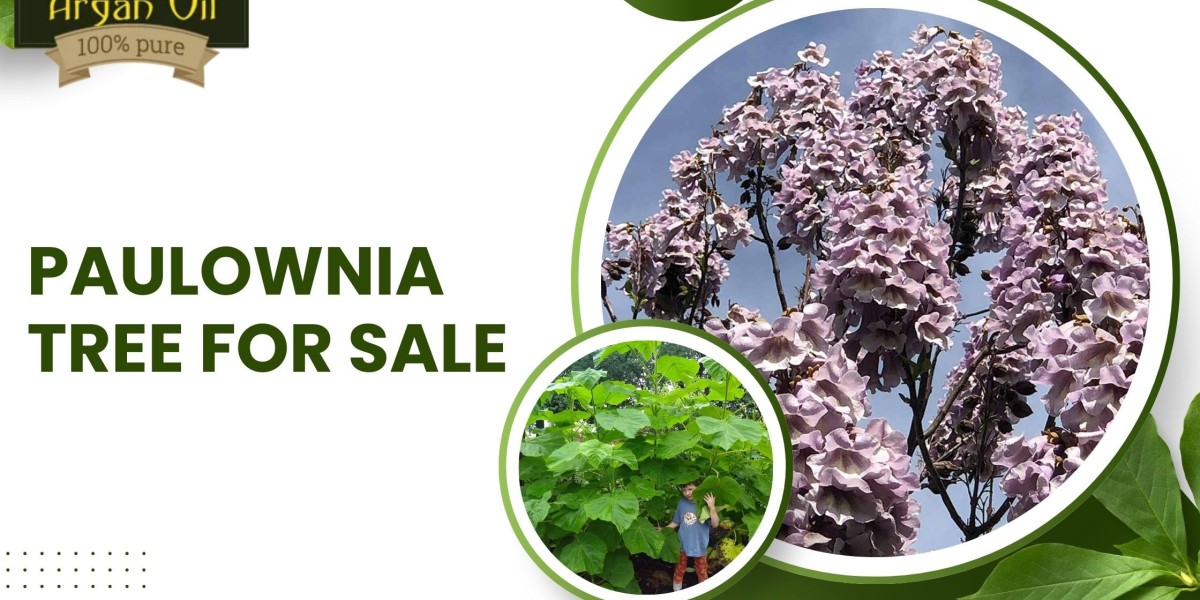

The Paulownia tree has gained global recognition as one of the most remarkable hardwood species in modern forestry. Known for its exceptional growth speed, lightweight yet durable timber, and wide range of commercial applications, this tree has become a preferred choice for investors, farmers, and sustainable forestry projects worldwide.
At Argania Export Company, we provide high-quality Paulownia Tree for Sale options to international buyers seeking fast-growing, profitable, and environmentally responsible tree solutions. This article explains why the Paulownia tree is widely known as the fastest-growing hardwood and why it continues to attract attention across global markets.
Understanding the Paulownia Tree
The Paulownia tree, often referred to as the “princess tree,” is native to East Asia but has adapted successfully to many climates around the world. Unlike traditional hardwood species that may take decades to mature, the Paulownia tree reaches harvestable size in a fraction of the time.
Under proper conditions, a Paulownia tree can grow:
3 to 5 meters in its first year
Up to 20 meters within 5 to 7 years
This extraordinary growth rate is the primary reason it is called the fastest-growing hardwood.
What Makes the Paulownia Tree Grow So Fast?
1. Unique Root System
The Paulownia tree has a deep and vigorous root system that allows it to absorb nutrients and water efficiently. This strong foundation supports rapid vertical growth while improving soil structure.
Additionally, after harvesting, the tree regenerates naturally from its root system, allowing multiple harvest cycles without replanting.
2. Large Leaves and High Photosynthesis Rate
Paulownia trees are known for their large leaves, which significantly increase photosynthesis. More photosynthesis means faster energy production, resulting in accelerated growth compared to other hardwood trees.
This biological advantage enables the Paulownia tree to produce high-quality wood in record time.
3. Efficient Nutrient Utilization
Unlike many hardwood species, the Paulownia tree efficiently converts nutrients into biomass. This makes it ideal for plantation-style farming and commercial forestry operations focused on quick returns.
Hardwood Quality in Record Time
Speed alone does not define the Paulownia tree’s value. Despite its rapid growth, it produces true hardwood with impressive characteristics:
Lightweight yet strong
Resistant to warping and cracking
Low moisture content
Smooth grain and easy workability
This combination allows manufacturers to use Paulownia wood in furniture, construction, musical instruments, packaging, and interior design applications.
Commercial Advantages of Paulownia Tree for Sale
1. Short Rotation Harvest Cycles
Traditional hardwoods often require 20–40 years before harvest. In contrast, Paulownia trees can be harvested in as little as 5–7 years, making any Paulownia Tree for Sale an attractive investment opportunity.
This rapid cycle improves cash flow and reduces long-term risk for growers and investors.
2. High Market Demand
Due to its versatility and sustainability, Paulownia wood is increasingly used in:
Furniture manufacturing
Plywood and veneer production
Lightweight construction materials
Eco-friendly packaging
This growing demand strengthens the long-term commercial value of Paulownia plantations.
3. Cost-Effective Cultivation
Paulownia trees require relatively low maintenance once established. They adapt well to various soil types and climates, making them suitable for large-scale planting in diverse regions.
Environmental Benefits of the Paulownia Tree
Beyond commercial appeal, the Paulownia tree offers significant environmental advantages.
1. Carbon Sequestration
Due to its rapid growth, the Paulownia tree absorbs carbon dioxide at a much higher rate than slower-growing species. This makes it an excellent choice for carbon offset and reforestation projects.
2. Soil Improvement
The large leaves of the Paulownia tree fall and decompose, enriching the soil with organic matter. This improves soil fertility and supports sustainable land management practices.
3. Regenerative Growth
After harvesting, the Paulownia tree regrows from its stump, eliminating the need for replanting and reducing environmental impact.
Why Choose Argania Export Company for Paulownia Tree for Sale?
At Argania Export Company, we understand that successful forestry projects depend on quality planting material and expert sourcing. Our Paulownia Tree for Sale offerings are carefully selected to meet international standards for growth performance and adaptability.
We provide:
High-quality seedlings and saplings
Export-ready documentation
Consistent supply for commercial projects
Support for international buyers
Our experience in global agricultural exports ensures reliability from order to delivery.
Applications Across Global Markets
Paulownia wood’s unique properties make it valuable in both domestic and international markets. Its resistance to moisture and insects, combined with its lightweight nature, makes it ideal for export-oriented industries.
This versatility continues to drive interest in Paulownia Tree for Sale among forestry developers, manufacturers, and sustainability-focused investors.
Conclusion
The Paulownia tree earns its title as the fastest-growing hardwood due to its exceptional biological efficiency, rapid maturity, and high-quality timber production. Its combination of speed, strength, and sustainability makes it a powerful solution for modern forestry and commercial wood production.
By sourcing Paulownia Tree for Sale from Argania Export Company, buyers gain access to reliable planting material backed by export expertise and quality assurance. As global demand for sustainable hardwood continues to rise, the Paulownia tree stands out as a smart and future-focused investment.