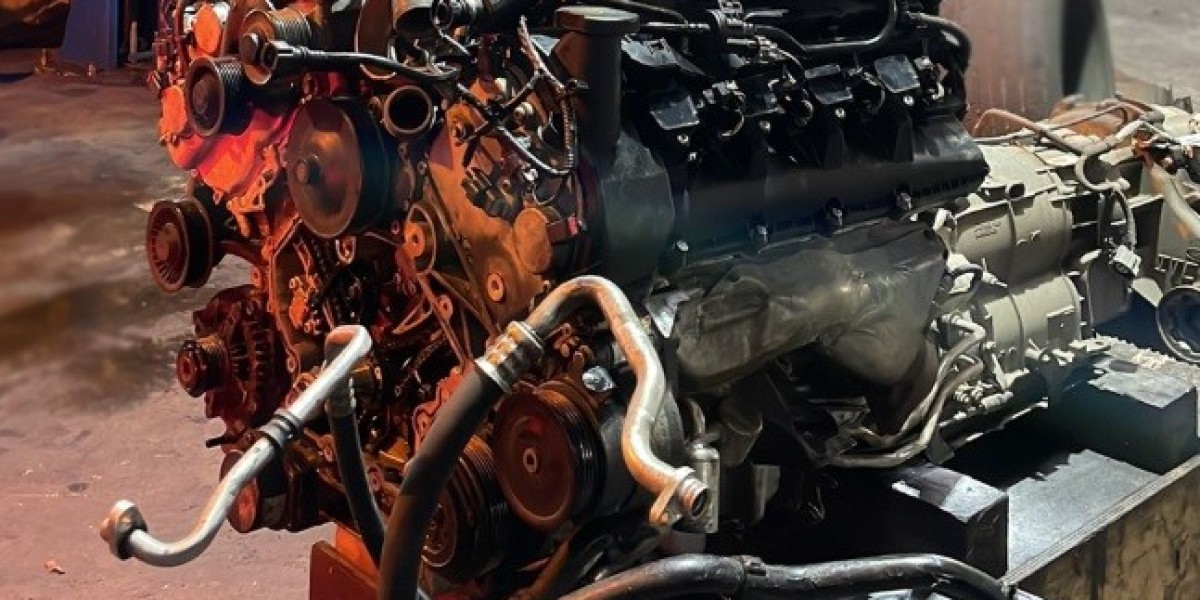

Investigating Timing Chain Complications in Luxury SUVs
One of the most frequent challenges reported by owners involves the mechanical synchronization of internal components. Over time, the guides that support the timing chain can become brittle or wear down significantly. This degradation often leads to a distinct rattling sound during a cold start, which serves as a major warning sign. If a Range Rover engine is neglected when these sounds appear, the chain may eventually stretch or even snap. Such a failure typically results in catastrophic damage to the valves and pistons, turning a preventable maintenance task into a high-stakes repair bill that requires a complete overhaul.
The Persistence of Oil Leaks in High Performance Motors
Owners often notice small puddles of dark fluid beneath their vehicles after parking for several hours. These leaks usually originate from aged gaskets around the valve covers or the oil pan where seals have hardened over many heat cycles. When a Range Rover engine loses lubrication through these seepages, the internal friction increases and can lead to overheating. Addressing these leaks early is essential because consistent oil loss starves critical bearings of the protection they need. Replacing a simple rubber seal is a far better alternative than dealing with the long-term consequences of running a motor with insufficient lubricant.
Overheating Risks and Cooling System Vulnerabilities
The cooling architecture in luxury vehicles is complex and often relies on plastic components that can fail under extreme pressure. Cracked coolant crossover pipes and failing water pumps are common culprits that lead to a rapid rise in operating temperatures. If the Range Rover engine operates above its intended thermal range for even a short duration, the cylinder heads may warp. This physical distortion breaks the seal of the head gasket, allowing coolant to mix with oil. Monitoring the temperature gauge religiously is a vital habit for any driver wanting to avoid the nightmare of a cracked engine block.
Crankshaft Integrity Concerns for Diesel Variants
Specific diesel models have gained a reputation for structural issues regarding the bottom end of the motor. Reports of snapped crankshafts have surfaced, particularly in high-mileage units that have seen heavy use or towing. When the Range Rover engine experiences a crankshaft failure, it often happens without much warning beyond a faint metallic knocking. This specific issue is frequently linked to oil starvation or a manufacturing flaw in the bearing shells. Because the crankshaft is the backbone of the rotating assembly, its failure almost always necessitates a full replacement of the long block to ensure future reliability.
Supercharger Wear and Performance Degradation
Many modern luxury SUVs utilize forced induction to provide the effortless acceleration that drivers expect on the highway. However, the snout bearings and the isolating spring inside the supercharger assembly are known to wear out over time. A failing supercharger can create a "clunking" noise at idle that sounds remarkably like a loose marble. If the Range Rover engine is forced to run with a malfunctioning blower, boost pressure will drop and fuel efficiency will plummet. Specialists recommend rebuilding the supercharger drive every eighty thousand miles to maintain the smooth power delivery that defines the brand's driving experience.
Turbocharger Failures and Exhaust Smoke Issues
Diesel and smaller petrol variants often rely on turbochargers to balance power with environmental regulations. These components are highly sensitive to the quality of the oil circulating through them. When a Range Rover engine is subjected to infrequent oil changes, carbon deposits can clog the tiny oil feed lines that lubricate the turbo's turbine shaft. This lack of flow leads to bearing failure, often signaled by a high-pitched whining noise or clouds of blue smoke from the tailpipe. Replacing a turbo is a labor-intensive process, making it critical to adhere to strict maintenance schedules to preserve these delicate parts.
Fuel System Complications and Carbon Buildup
Direct injection technology offers great efficiency but comes with the drawback of soot accumulation on the intake valves. Without fuel washing over the valves, carbon deposits harden and eventually restrict the airflow into the combustion chamber. This buildup causes the Range Rover engine to idle roughly and lose its characteristic responsiveness during acceleration. Furthermore, high-pressure fuel pumps can occasionally fail, leading to long cranking times or sudden stalling in traffic. Periodic carbon cleaning services and the use of high-quality premium fuel can mitigate these issues, ensuring the air-to-fuel ratio remains within the optimal parameters for performance.
Ignition System Faults and Misfiring Problems
Even the most robust luxury motors can be brought to a halt by simple electrical failures within the ignition system. Spark plugs and ignition coils are under constant stress and will eventually fail, leading to a noticeable shudder under load. When a Range Rover engine begins to misfire, the unburnt fuel can travel down the exhaust and damage the expensive catalytic converters. Owners should never ignore a flashing check engine light, as it typically indicates an active misfire that is currently harming the emissions system. Replacing coils in sets is often the best strategy to ensure uniform voltage across all cylinders.
Electrical Sensors and Software Calibration Issues
Modern vehicles are essentially computers on wheels, and the powertrain is managed by a vast network of sensors. Faulty mass airflow sensors or oxygen sensors can send incorrect data to the control module, causing the car to enter a "limp home" mode. Sometimes the Range Rover engine itself is mechanically sound, but a software glitch or a corroded wiring harness creates phantom faults. These digital gremlins can be frustrating to diagnose without specialized factory-level scanning tools. Keeping the vehicle's firmware updated during regular dealer visits is a proactive way to prevent these electronic hiccups from interrupting your daily commute.
Preventive Strategies for Longevity and Reliability
The key to enjoying a luxury vehicle without constant stress lies in a proactive approach to mechanical care. Shortening the intervals between oil changes is perhaps the single most effective way to protect a Range Rover engine from the common pitfalls mentioned above. Using only manufacturer-approved fluids and high-quality filters ensures that every component operates under the conditions it was designed for. By listening for new noises and inspecting the ground for leaks weekly, owners can catch small problems before they escalate. Consistent care transforms a potentially temperamental machine into a dependable companion for any adventure you choose to undertake.