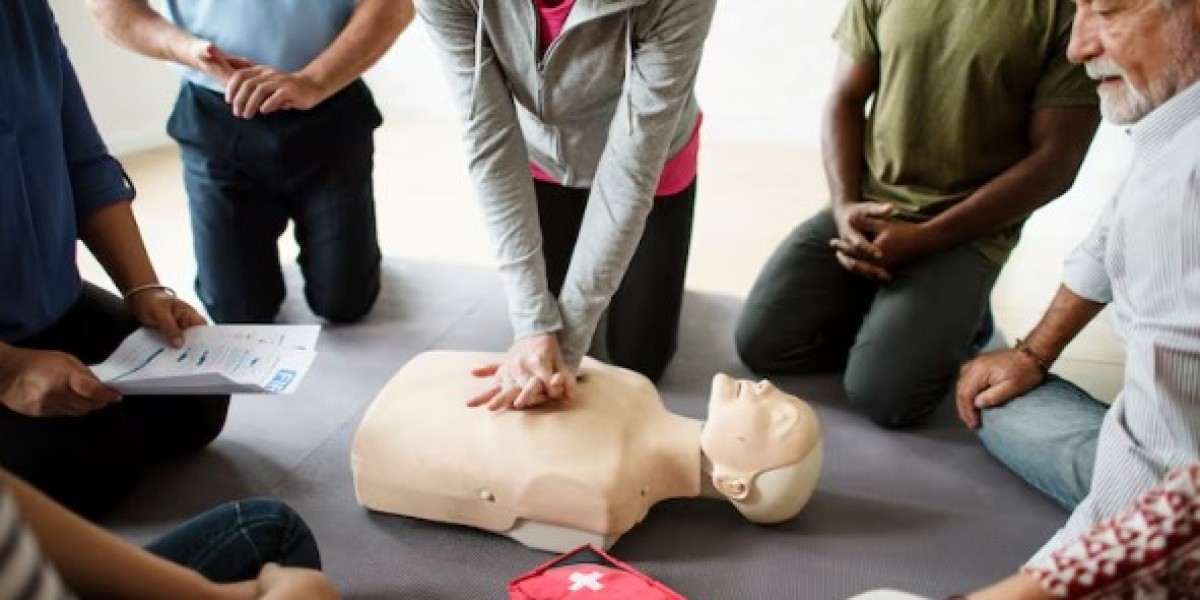

In the fast-paced and high-stakes environment of healthcare, the ability to respond swiftly and effectively to life-threatening emergencies can make the difference between life and death. This is why BLS for healthcare has become a foundational skill for all medical professionals, from nurses and doctors to emergency responders and support staff. BLS, or Basic Life Support, encompasses essential techniques that ensure a patient’s survival during cardiac arrest, respiratory distress, or other critical medical events.
Understanding BLS for healthcare starts with recognizing its purpose. Unlike advanced medical interventions that may require specialized equipment, BLS focuses on immediate, hands-on techniques designed to sustain life until advanced care can be administered. These interventions include high-quality cardiopulmonary resuscitation (CPR), proper use of automated external defibrillators (AEDs), and effective airway management. The essence of BLS lies in its simplicity: it equips healthcare providers with standardized, evidence-based procedures that can be applied universally in emergencies.
One of the most common pathways for acquiring these essential skills is through CPR certification BLS for healthcare providers. This certification program is specifically tailored for those working in medical settings, ensuring they understand the nuances of patient care during emergencies. Unlike general CPR courses, CPR certification BLS for healthcare providers covers scenarios such as responding to adults, children, and infants, and addresses unique challenges like choking or airway obstruction in clinical environments. By completing this certification, healthcare professionals not only demonstrate competence but also gain the confidence to act decisively under pressure.
Why BLS for Healthcare is Essential
Medical emergencies can occur without warning, whether in a hospital, clinic, or even in community outreach settings. Research has consistently shown that immediate intervention using BLS techniques significantly improves survival rates in cardiac arrest cases. For healthcare providers, having up-to-date BLS for healthcare skills is more than just a requirement—it’s a professional responsibility. Patients and their families rely on medical staff to act promptly and effectively when seconds matter.
Moreover, regulatory and accreditation bodies often mandate that all clinical personnel maintain current CPR certification BLS for healthcare providers. Hospitals, outpatient centers, and long-term care facilities implement these standards not only to meet compliance requirements but also to foster a culture of patient safety. Staying certified ensures that healthcare workers are familiar with the latest guidelines and best practices, which are periodically updated by organizations such as the American Heart Association.
Core Components of BLS for Healthcare
The foundation of BLS for healthcare lies in a few critical skills, each designed to stabilize patients until advanced medical intervention is available:
- High-Quality CPR: This is the cornerstone of life-saving techniques. Proper chest compressions involve correct hand placement, compression depth, and rhythm. Healthcare providers are trained to recognize signs of inadequate circulation and adjust their technique to maximize blood flow to vital organs.
- Airway Management: Ensuring that a patient’s airway is clear is essential for effective oxygen delivery. BLS training teaches providers to assess airway obstruction and use maneuvers or devices, such as bag-mask ventilation, to maintain adequate oxygenation.
- Use of AEDs: Automated External Defibrillators are increasingly available in hospitals and public spaces. BLS training emphasizes not only how to operate AEDs but also the importance of early defibrillation, which can dramatically increase survival chances during cardiac arrest.
- Team Dynamics and Communication: Emergencies often require coordinated efforts. BLS for healthcare emphasizes clear communication, role assignment, and teamwork to ensure interventions are timely and efficient.
- Specialized Pediatric and Infant Techniques: Adults are not the only patients who may require life-saving interventions. Certification programs include pediatric and infant BLS, highlighting the anatomical and physiological differences that necessitate modified techniques.
CPR Certification BLS for Healthcare Providers: Benefits and Process
Obtaining CPR certification BLS for healthcare providers offers numerous benefits beyond compliance. First, it reinforces confidence. Healthcare professionals who are well-trained in BLS can act decisively, reducing hesitation during emergencies. Second, certification reflects competence. Employers, colleagues, and patients are reassured knowing that staff have undergone rigorous training in essential life-saving techniques.
The process for achieving CPR certification BLS for healthcare providers typically involves both theoretical and practical components. Learners study the principles of cardiac emergencies, respiratory compromise, and the chain of survival. They then participate in hands-on sessions, practicing compressions, ventilations, and AED use under the guidance of certified instructors. Assessment ensures that participants can perform all required procedures accurately and efficiently. After successful completion, participants receive a certificate, often valid for two years, after which renewal is required to maintain up-to-date knowledge.
Integrating BLS into Daily Healthcare Practice
Certification alone is not enough; integrating BLS for healthcare skills into daily practice is equally critical. Simulation-based drills, continuous training, and real-time reinforcement help ensure that healthcare providers remain ready for emergencies. Hospitals often conduct mock codes—practice scenarios mimicking cardiac arrest—to sharpen skills and improve team response. These exercises bridge the gap between classroom learning and real-life application, making BLS second nature during actual emergencies.
Additionally, healthcare providers are encouraged to educate peers and even patients about basic life-saving techniques. Spreading awareness helps create a safer environment both inside and outside healthcare facilities. Being proficient in BLS for healthcare is not just a personal skill—it contributes to the overall resilience and preparedness of the healthcare system.
Conclusion
In the world of healthcare, seconds count, and the ability to respond effectively can be the difference between life and death. BLS for healthcare equips professionals with the knowledge, skills, and confidence to act decisively during critical situations. By obtaining CPR certification BLS for healthcare providers, medical staff demonstrate their commitment to patient safety, professional growth, and adherence to best practices.
Ultimately, BLS is more than a certification or a set of techniques—it is a mindset. It is the readiness to act when it matters most, to remain calm under pressure, and to apply standardized, evidence-based practices that save lives. For anyone in the healthcare field, mastering BLS for healthcare is not just recommended—it is essential. By prioritizing ongoing training, maintaining certification, and integrating these skills into daily practice, healthcare providers can ensure that they are always prepared to make a meaningful impact when every moment counts.