
Natural skincare has made a powerful comeback, and one ingredient leading the movement is beef tallow. Once a staple in traditional beauty routines, tallow is now praised for its skin-nourishing properties and minimalist appeal. If you’re curious about tallow skin before and after results or wondering do you need to refrigerate beef tallow, this guide covers everything you need to know.
What Is Beef Tallow and Why Is It Used on Skin?
Beef tallow is rendered fat, traditionally sourced from grass-fed cows. What makes it unique for skincare is its close resemblance to human sebum. This compatibility allows tallow to absorb easily into the skin without clogging pores or causing irritation.
Beef tallow is rich in:
- Vitamins A, D, E, and K
- Conjugated linoleic acid (CLA)
- Stearic and oleic acids that support the skin barrier
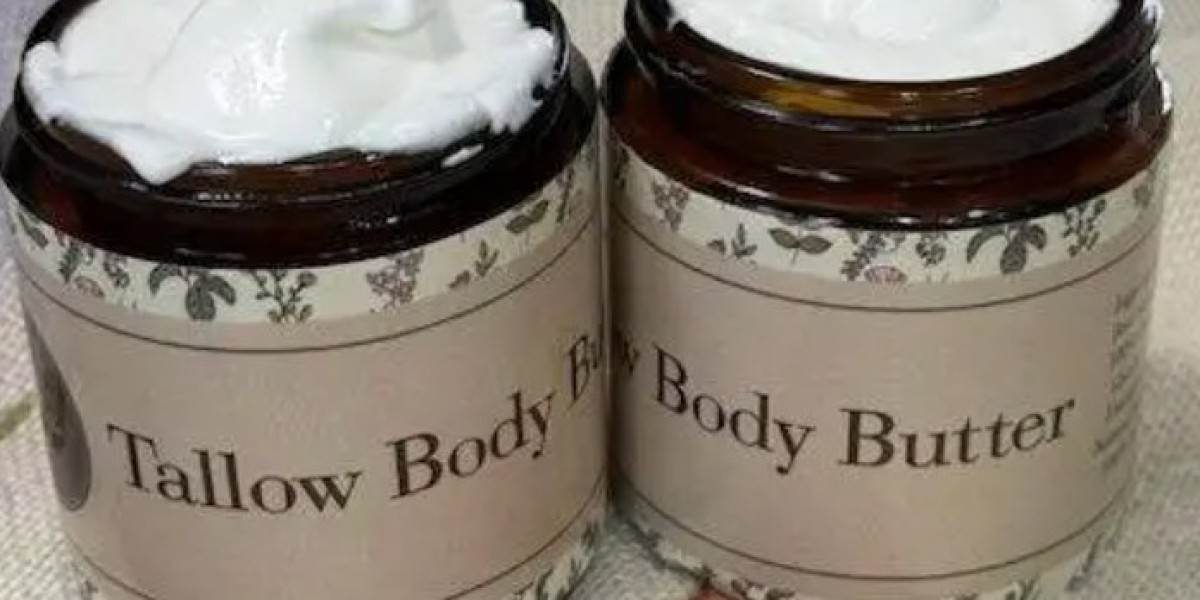
Because of its nutrient density, tallow is commonly used in moisturizers, body butters, lip balms, and face creams.
Tallow Skin Before and After: Realistic Results Over Time
One of the most searched questions about this ingredient is tallow skin before and after—and for good reason. Many users report noticeable changes in skin health within weeks.
Before Using Tallow on Skin
Before incorporating tallow into their routine, many people experience:
- Dry, flaky, or tight skin
- Redness or sensitivity
- Over-exfoliated or damaged skin barriers
- Acne triggered by synthetic skincare products
People with eczema-prone, mature, or compromised skin often turn to tallow after other products fail.
After Using Tallow on Skin
After consistent use, common tallow skin before and after results include:
- Improved hydration and softness
- Reduced redness and inflammation
- Smoother skin texture
- A healthier glow without greasiness
- Strengthened skin barrier
Some users also report fewer breakouts, especially when switching from chemical-heavy products to a simple tallow-based routine.
How Long Does It Take to See Results?
Most people notice initial improvements within 7–14 days, with more visible changes after 3–4 weeks of daily use. As with any skincare product, consistency is key.
Is Tallow Suitable for All Skin Types?
Beef tallow works well for:
- Dry and dehydrated skin
- Sensitive or reactive skin
- Mature skin
- Normal to combination skin
For oily or acne-prone skin, tallow can still be beneficial when used sparingly. Since it closely mimics natural oils, it may help regulate sebum production rather than increase it.
How to Use Beef Tallow for Best Skin Results
To maximize tallow skin before and after outcomes, follow these tips:
- Apply a small amount to clean, slightly damp skin
- Warm it between your fingers before applying
- Use at night for deeper absorption
- Start with once daily, then increase as needed
A little goes a long way—overuse can feel heavy if you’re new to natural fats.
Do You Need to Refrigerate Beef Tallow?
Another common question is do you need to refrigerate beef tallow—especially when used for skincare.
Short Answer: No, Not Always
Beef tallow is naturally shelf-stable due to its high saturated fat content. When properly rendered and stored, it does not require refrigeration.
Best Storage Conditions
Beef tallow should be stored:
- In an airtight container
- Away from direct sunlight
- In a cool, dry place
Under these conditions, tallow can last 6–12 months at room temperature.
When Refrigeration Is Helpful
You may want to refrigerate beef tallow if:
- You live in a very warm or humid climate
- The tallow is unrefined or homemade
- You want to extend shelf life beyond a year
Refrigeration can make tallow firmer, but it will soften again at room temperature without losing effectiveness.
Signs Beef Tallow Has Gone Bad
Regardless of storage method, discard tallow if you notice:
- A strong rancid smell
- Mold or discoloration
- An unusual texture
Fresh tallow has a mild, neutral scent.
Skincare vs Cooking: Does Storage Differ?
If you’re wondering do you need to refrigerate beef tallow used for skincare versus cooking—the answer is similar. Both uses follow the same storage rules. However, skincare tallow often benefits from added essential oils or whipped textures, which may slightly reduce shelf life. Always check product instructions if purchased commercially.
Why Tallow Is Gaining Popularity in Skincare
The rise of beef tallow in skincare comes from a growing demand for:
- Clean, ingredient-minimal products
- Traditional, time-tested remedies
- Non-toxic and chemical-free skincare
When comparing tallow skin before and after photos, many users prefer the natural glow and long-term skin health benefits over quick-fix synthetic products.
Final Thoughts
Beef tallow is more than a trend—it’s a return to simple, effective skincare. Whether you’re exploring tallow skin before and after results or asking do you need to refrigerate beef tallow, the answer lies in understanding its natural stability and skin compatibility.
When used correctly, beef tallow can deeply nourish the skin, restore balance, and simplify your skincare routine. With proper storage and consistent use, it’s a powerful addition to any natural beauty regimen.