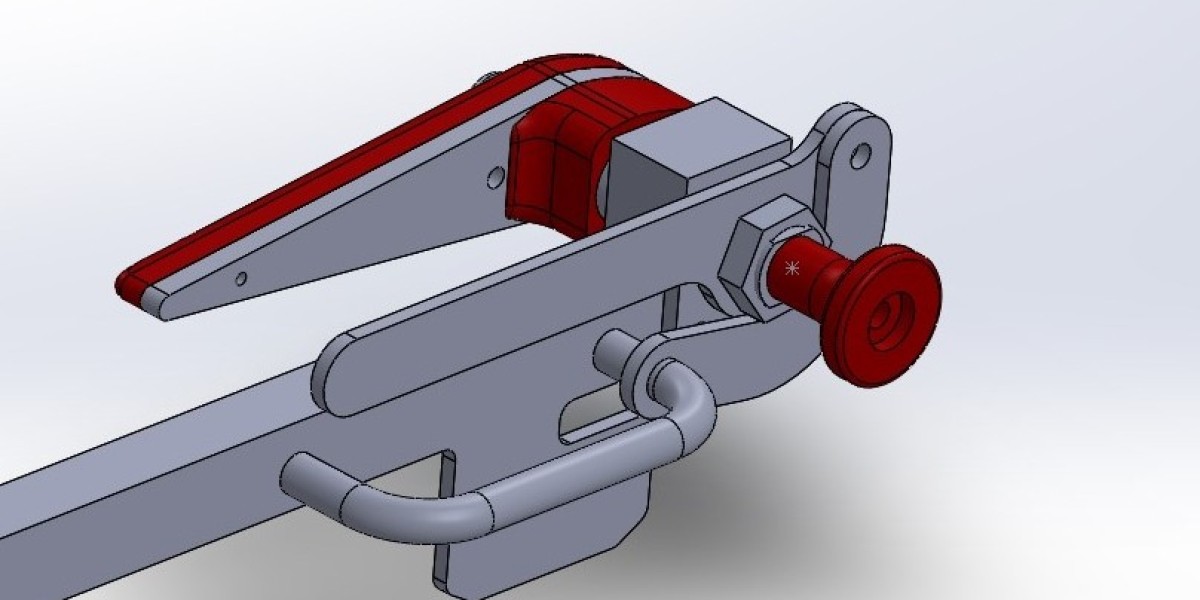

An important consideration in aircraft design is the secure closure of cockpit enclosures, and this is provided for in the aircraft canopy latch to ensure the pilots and flight crew members are working in a secure atmosphere. The design of this device specifically addresses the issue of ensuring the canopies are closed during flight and cannot easily be blown open as a result of turbulence and sudden pressure.
The technology involved in the design of such fasteners is very specialized. The materials used include stainless steel, aluminum alloys, and high-strength composites. These are utilized for durability and for ensuring the low weight of the said components. Machining is also an important feature, which ensures smooth functioning of the system when subjected to repeated operation in extreme environments.
There are a variety of types of canopy latches, which depend on the intended design requirements. Some popular types include push-close latches or rotary latches. In the former, there is one-motion close functionality, which is quite simple. In the latter, there is additional security in the form of a lock, which can also protect against vibrations. In the military aircraft category, there are stronger latches designed in response to the extreme conditions in which these aircraft operate.
The safety and reliability factors are also paramount. The aviation regulations in the USA stipulate that all components used in the flight deck, including the mechanisms for the aircraft canopy, have to pass a series of tests. The load tests, endurance tests, and tests for corrosion help to ensure the reliability of the latches over the aircraft's lifespan. Regular checks on the latches with a preventive maintenance program help to identify mismatches before they affect flight reliability.
Besides functionality, canopy latches are designed to integrate with several aircraft systems. Most of the latches feature one or more safety indicators, locking sensors, or interlocks communicating with on-board avionics to stop canopy operations at unsafe conditions. This kind of integration provides immediate feedback to pilots, hence enhancing general situational awareness and further improving flight safety.
Proper maintenance can work wonders in the lifecycle of these systems. The procedures listed below can be considered normal maintenance. Aviation mechanics have the proper procedures in place regarding the inspection of these latches in terms of alignment and corrosion. Proper maintenance of the canopies ensures that these systems continue to function properly.
In conclusion, all the issues connected with the engineering, material, testing, and maintenance of the cockpit enclosure are correlated. Everyone in the field of aviation appreciates the importance of the mentioned factors, which makes the emphasis on the security of the fastening devices, such as the aircraft canopy latch mechanism, essential.