
Surgical precision relies heavily on the quality and design of the instruments used in the operating room. Among the vast array of tools available to surgeons, tissue-grasping instruments hold a critical place in ensuring successful outcomes. One such instrument that stands out for its specific utility and design is the bonnie forcep. This specialized tool offers surgeons the grip and control necessary for delicate tissue manipulation, making it a staple in various surgical kits.
Understanding the specific features and applications of this instrument helps medical professionals select the right tools for their procedures. Whether it is used in general surgery or more specialized fields, the reliability of a high-quality forcep can significantly impact the fluidity of an operation.
Understanding the Design and Functionality
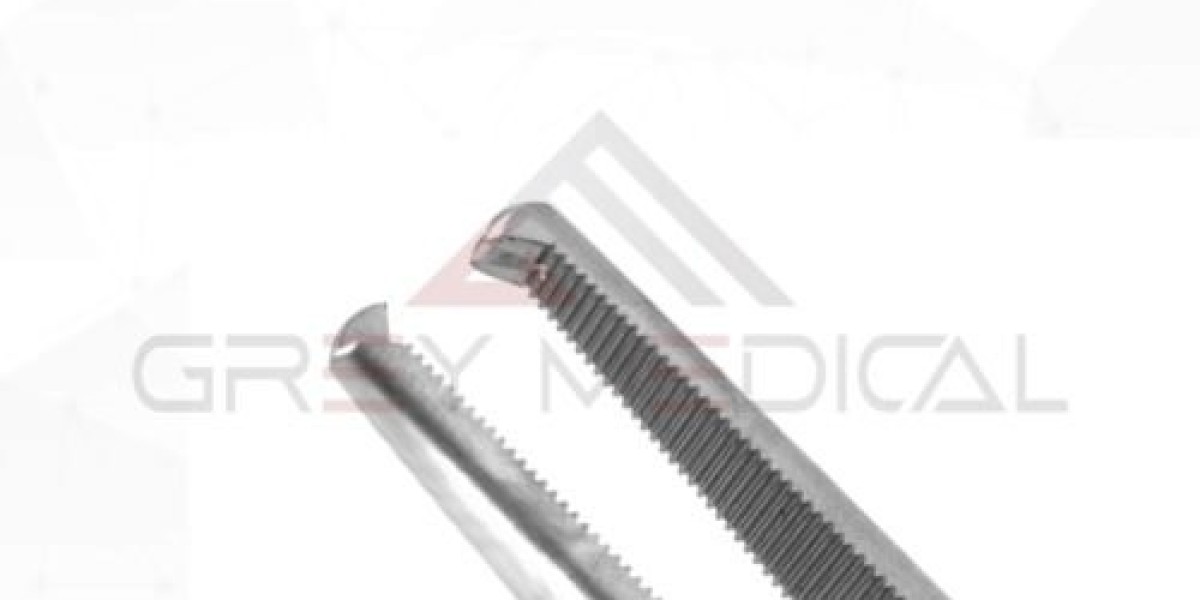
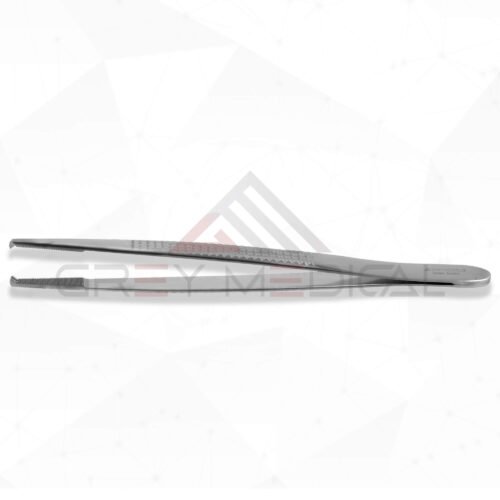
The primary purpose of a bonnie forcep is to grasp heavy tissue or bone during surgical procedures. Unlike delicate forceps used for fine tissue or nerves, this instrument is robust. It typically features serrated jaws or teeth that provide a secure hold without slipping. This grip is essential when a surgeon needs to manipulate fascia or other tough connective tissues.
Surgeons appreciate the ergonomic design often associated with these forceps. The handles are crafted to fit comfortably in the hand, reducing fatigue during long procedures. The balance between the weight of the instrument and its gripping power allows for steady maneuvers, which is crucial when working in tight or deep surgical sites. The specific toothed design ensures that once the tissue is grasped, it remains secure until the surgeon decides to release it.
Applications in Various Surgical Fields
While many instruments are versatile, the bonnie forcep finds its home in procedures requiring strength and durability. It is frequently utilized in orthopedic surgeries where manipulating bone fragments or tough tendons is necessary. General surgeons also rely on it for abdominal closures, particularly when handling the fascia layer, which requires a firm grip to suture effectively.
Beyond orthopedics and general surgery, this instrument appears in gynecological procedures and plastic surgery. The ability to hold tissue firmly without causing excessive trauma—provided the surgeon uses the correct technique—makes it invaluable. The serrations are designed to minimize crushing while maximizing traction. This balance is what separates a standard instrument from a superior one.
Choosing Quality with GreyMedical®
When selecting surgical instruments, the manufacturer's reputation matters immensely. GreyMedical® is a privately owned medical technology company dedicated to innovation and excellence in the craft of surgical instruments. Their commitment to quality ensures that every tool, including the bonnie forcep, meets rigorous standards.
Medical professionals know that not all steel is created equal. Instruments produced by companies focused on excellence, like GreyMedical®, are typically made from high-grade stainless steel. This material choice ensures longevity, resistance to corrosion, and the ability to withstand repeated sterilization cycles without losing functionality. When a surgeon reaches for a bonnie forcep during a critical moment, they need to trust that the instrument will perform exactly as expected.
Conclusion
The right surgical tools are extensions of a surgeon's hands. The bonnie forcep serves a vital role by providing the strength and grip needed for handling tough tissues and bone. Its design, characterized by serrated jaws and robust construction, makes it indispensable in operating rooms worldwide. By choosing instruments from trusted manufacturers like GreyMedical®, healthcare providers ensure they are equipped with tools that offer precision, durability, and reliability. Investing in high-quality instrumentation ultimately supports better surgical techniques and improved patient care.