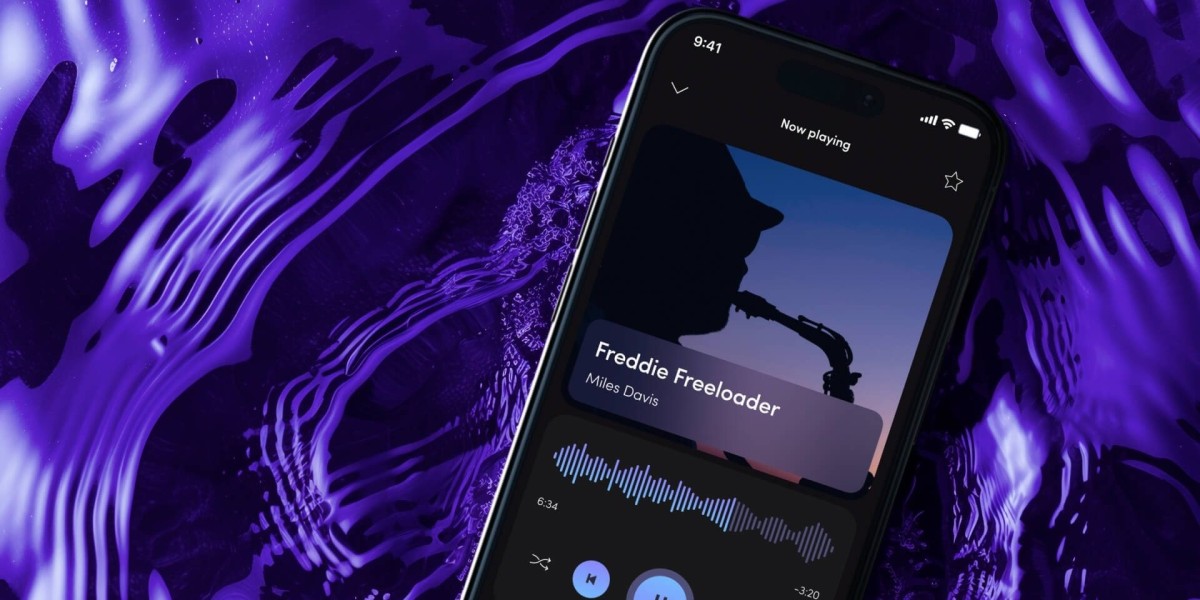

In 2026, the music app industry is focusing on one thing: user experience. Users want apps that feel personal, predictable, and enjoyable. This means the technical structure behind the app must be strong, flexible, and scalable.
This is why many businesses are partnering with a music app development company that can handle the complexity of modern audio platforms.
Why the music app market is still growing
Even with major players like Spotify and Apple Music, the market is far from saturated. Users still want unique experiences, especially around:
Niche genres and communities
Local artist discovery
Live events and concerts
Social sharing and collaborative playlists
Podcast integration
Fitness and mood-based music
This creates opportunities for startups and brands to build new platforms with unique features. However, building a successful music app requires strong technical expertise and smart planning.
This is where experienced music app developers come in. They know how to build features that are powerful without overloading the app.
The key features users expect today
A successful music app needs a set of core features that work flawlessly. These include:
1. High-quality audio streaming
Users expect fast streaming with minimal buffering. This requires strong backend infrastructure and optimized delivery.
2. Offline listening
Offline mode is essential for users who travel or have limited data.
3. Personalised playlists
AI-driven recommendations and personalised playlists are now standard expectations.
4. Social integration
Sharing songs, collaborating on playlists, and connecting with friends increases user engagement.
5. Smart search and discovery
Users should be able to find songs, artists, and playlists quickly and easily.
A strong music app development company ensures these features are built into the core of the app and work smoothly.
Challenges in music app development
Music app development is more complex than many people think. Some common challenges include:
Licensing and royalties
Music rights can be difficult to manage, especially when dealing with international markets.
Audio buffering and streaming
Maintaining high-quality streaming while avoiding interruptions is a major challenge.
Scalability
Music apps can quickly grow in users, which requires scalable backend architecture.
Data storage and management
Music apps require large storage and fast data access, especially for offline mode.
Experienced music app developers plan for these challenges from the start, avoiding performance issues later.
Why choosing the right development partner matters
The right development partner can turn a simple idea into a successful platform. Here’s what to look for:
Experience in audio and streaming apps
Not every app developer understands streaming and audio optimisation.
Strong UI/UX design skills
Music apps rely heavily on visuals and user interaction.
Backend expertise
Music apps require strong backend systems to support streaming and user data.
Post-launch support
Apps need updates and improvements after launch.
A reputable music app development company offers full support from planning to launch and beyond.
Trends shaping music apps in 2026
The music app market is evolving rapidly. Here are some trends shaping the future:
AI-driven discovery
AI is helping users find music based on mood, activity, and listening habits.
Live events inside apps
Live streaming concerts and events are becoming a new source of revenue for artists and platforms.
Voice control
Voice commands and smart speaker integration are becoming essential.
AR and VR experiences
Immersive music experiences are emerging as a new trend for premium users.
A modern music app needs to be built with these trends in mind to stay competitive.
Monetisation strategies that work
Successful music apps often use multiple monetisation strategies, including:
Subscription plans
In-app purchases
Ads (for free users)
Premium features
Artist partnerships and sponsorships
The key is to keep monetisation fair and user-friendly. Overloading users with ads or paywalls can lead to high churn rates.
Final thoughts
The music app market is evolving fast, but the core remains the same: users want a great listening experience. The apps that succeed in 2026 will be those that offer strong performance, personalisation, and seamless design.
To build a successful music app, you need the right team—skilled music app developers and a reliable music app development company. They can help you build a product that not only works but also stands out in a competitive market.
If you want to build a music app that users love, focus on quality, speed, and user experience. With the right development partner, you can turn your idea into a platform that grows and scales over time.