
Most households chase comfort yet lose money through small inefficiencies that add up fast. Our focus pairs practical steps with measurable results, showing how HVAC, heating, and ac decisions affect comfort and costs right away. You’ll see how to apply a home energy audit checklist, make smart choices on system sizing, and coordinate upgrades in a way that builds long-term value. We’ll outline what works and what doesn’t, from air balancing service details to humidity control in home. Along the way, you’ll learn how to read an electric bill and how to read a gas bill, plus the tactics that reduce utility bills without sacrificing comfort. We’ll cover hvac diagnostics, airflow testing, and hvac performance testing that expose hidden issues causing hot and cold spots in house. By the end, you’ll have a clear plan to invest wisely, all while making progress on balanced home comfort and home energy efficiency.
Define scope, set priorities, and stage upgrades for comfort and savings
Start with a whole home energy audit that maps leaks, loads, and equipment limits across rooms and seasons. In your walkthrough, note airflow, temperatures, and drafts while you draft a home energy audit checklist. Home energy efficiency Capture low-cost fixes, then sequence larger projects that boost home energy efficiency and home comfort vs energy use in parallel. A simple matrix can weigh safety, comfort, and ROI, so seasonal energy savings translate to real reductions.
Lean on measured data before committing, starting with blower door test explained and a home air leakage test to confirm duct leakage signs and door-gap losses. Bring weatherization basics into the plan, including air sealing tips, weatherstripping doors and windows, and window efficiency upgrades that cut energy vampires in the home and phantom power usage distractions from the bigger picture. Map rooms with weak airflow from vents and hot and cold spots in house, then align indoor comfort planning with hvac zoning basics for sharper, faster results.
Choose right inputs and tests to target the biggest losses
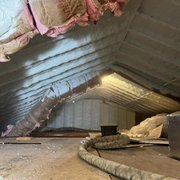
Seal first, then adjust equipment, because duct leakage energy loss and attic ductwork problems magnify reduced airflow causes and static pressure in hvac. Pair air sealing tips with attic insulation upgrade guided by an insulation r value guide, and address thermal bridging explained around framing. For ducts, follow duct sizing guide with manual d duct design to curb ductwork airflow issues and support supply vs return airflow balance. Check and improve duct wrap, especially near ridge vent vs soffit vent pathways connected to attic ventilation balance.
As you select HVAC hardware, size equipment to the house, using manual j load calculation and manual s equipment selection to avoid oversized ac problems and undersized ac symptoms. Make a plan for right size air conditioner or right size heat pump that fits system sizing and comfort goals. Home Energy efficiency Compare seer vs seer2 explained, eer rating explained, and hspf vs hspf2 explained specs to see real gains. Consider variable speed hvac benefits for quieter, steadier comfort, and pair with remote temperature sensors for stubborn rooms. If ducts are limited, weigh mini split vs central air and homes without usable ductwork, including mini split sizing, multi zone mini split design, and concealed mini split maintenance plans.
Coordinate workflow, time steps, and sequence tasks for smooth execution
A clean schedule prevents rework. Finish envelope fixes before tuning, then follow airflow testing with damper balancing in ducts to finalize air balancing service in living areas and bedrooms. Build in hvac performance testing windows after each change, and capture hvac diagnostics snapshots for the record. Write a simple hvac maintenance checklist to track tasks, linking to hvac tune up checklist, ac maintenance checklist, and furnace maintenance checklist tasks by season.
Time key tasks to the calendar, using summer energy savings at home and winter energy savings at home playbooks that include thermostat schedule tips and smart thermostat settings. Include a check on time of use rates explained so you can exploit peak vs off peak electricity with pre-cooling and pre-heating routines. home energy efficiency Add smart thermostat savings estimates to your timeline, and assign reminders for how often to change air filter. Plan a post-season troubleshooting check, watching for musty smell in house, condensation on vents, or condensation on ductwork.
Verify quality, manage risk, and solve hidden faults with data
Quality starts with measurements. Confirm design airflow at each register, and retest static pressure in hvac after any damper moves. If rooms still show weak airflow from vents, revisit duct sizing guide assumptions or check for return air problems causing hot and cold spots in house. Log readings in a simple sheet, and compare before-and-after to prove hvac efficiency and heating system efficiency gains.
If you run heat pumps, align controls with weather, adding heat pump performance tips for defrost and shoulder seasons. Understand heat pump defrost cycle explained and limit aux heat usage with lockouts or staged curves. home energy efficiency For deep cold, consider dual-fuel, and confirm heat pump in cold weather performance aligns with comfort targets. Manage moisture across spaces, integrating indoor humidity target range and humidity control in home checks to avoid mold and moisture guide red flags and mold prevention tips.
Maintain systems, optimize over time, and budget smartly for lasting payoff
Plan for lifecycle care, balancing homeownership cost breakdown against maintenance budgeting for homeowners using a monthly home maintenance checklist, seasonal home maintenance checklist, and homeowner maintenance checklist. Use a contractor neutral home guide and quote comparison checklist to compare hvac quotes without pressure. Add home repair budgeting, repair vs replace decisions, and home systems basics to your files so home systems performance stays transparent. Track home upgrade roi and efficiency upgrade payback, and flag energy efficient home improvements that consistently lower electric bill and lower gas bill.
Water heating often hides savings. Review water heater efficiency tips for quick gains, then schedule water heater maintenance that includes flush water heater sediment and replace anode rod steps. home energy efficiency Assess water heater repair vs replace when leaks appear, using a realistic water heater replacement cost range to decide. Consider tankless water heater pros and cons, tankless water heater sizing, tankless water heater installation guide, tankless water heater venting, tankless water heater descaling, and even tankless water heater outdoors options where climate allows. Look at heat pump water heater savings, then set reminders to extend water heater lifespan with regular checks.
Round out comfort and health with indoor air quality basics, adding iaq improvement tips and best hvac filter for allergies where needed. Pick filter MERV levels carefully, and account for high merv filter airflow impact on fans. Address dust in house causes using smoke and dust control and fresh air ventilation options, comparing erv vs hrv explained for balanced ventilation. Finally, Improve below-grade moisture control, pairing crawlspace dehumidifier sizing with attic ventilation balance and radiant barrier pros and cons to capture seasonal energy savings and reduce utility bills.
In short, align planning, materials, workflow, quality checks, and maintenance to build durable comfort and savings. Use data to guide hvac troubleshooting and investments, and keep the schedule consistent so small issues never turn into big ones. With smart thermostat settings, right-sized equipment, and thoughtful envelope fixes, you’ll see steady gains in hvac efficiency and ac efficiency tips that stick. When you tie these steps to a new homeowner handbook and practical energy saving tips for homeowners, you create a home that runs smoothly, feels great, and supports a lower utility bill.