
Introduction
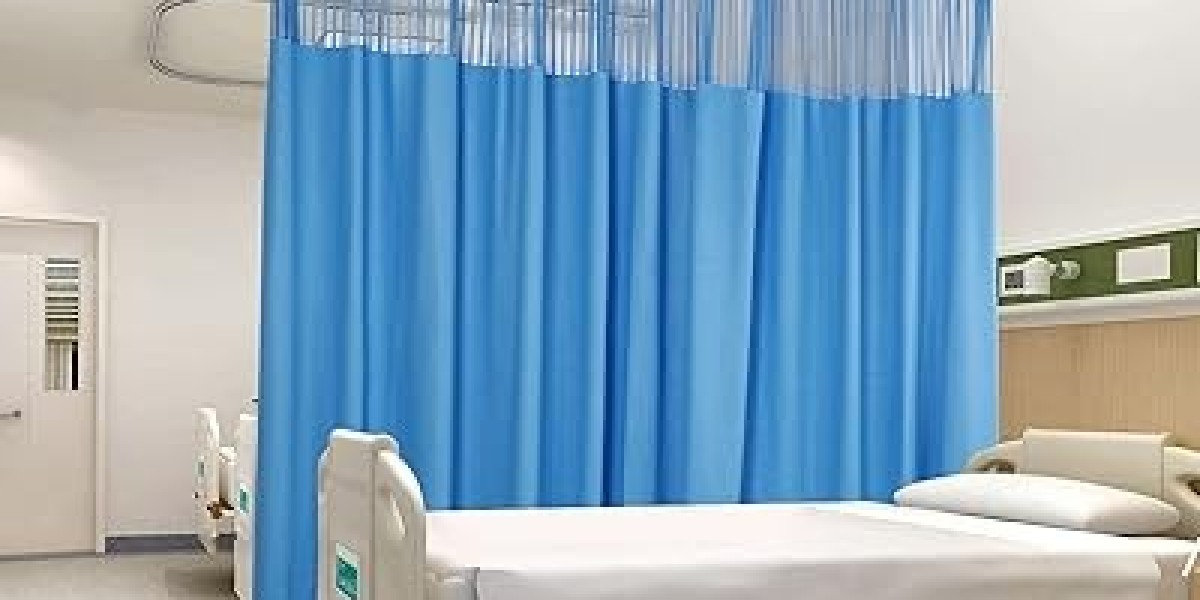
Choosing the right materials for healthcare environments is critical, especially when it comes to items that are used daily and exposed to constant handling. Medical curtains play an essential role in patient privacy, safety, and infection control, making durability a top priority. Selecting the right materials ensures these curtains perform reliably while supporting hygiene standards and operational efficiency in hospitals and care facilities.
Why Material Quality Is Important
Healthcare settings demand materials that can withstand heavy use without compromising performance. Medical curtains are frequently opened, closed, cleaned, and replaced, which places significant stress on fabrics over time. Low-quality materials may tear, fade, or lose functionality quickly, leading to increased replacement costs and potential safety concerns.
Durable medical curtains provide long-term value by maintaining their structure, appearance, and protective properties. High-quality materials ensure consistent privacy for patients and uninterrupted workflows for healthcare staff, even in high-traffic environments such as emergency rooms and intensive care units.
Durability and Frequent Laundering
One of the most important considerations when selecting medical curtains is how well the material holds up under frequent laundering. Healthcare facilities must clean curtains regularly to maintain hygiene and prevent the spread of infection. Durable fabrics are designed to withstand repeated washing without shrinking, fraying, or losing color.
Medical curtains made from advanced synthetic blends often outperform traditional fabrics because they retain their strength and shape over time. These materials help facilities maintain a clean, professional appearance while ensuring patient areas remain safe and sanitary.
Supporting Infection Control and Safety
Material selection also plays a major role in infection control. Many modern medical curtains are made from antimicrobial fabrics that resist bacterial growth and reduce cross-contamination risks. These materials support hospital hygiene protocols and help protect both patients and staff.
In addition to hygiene, safety is a key factor. Fire-resistant materials are commonly used in medical curtainsto slow flame spread and reduce smoke in emergency situations. Choosing curtains that combine antimicrobial and fire-resistant properties enhances overall safety without compromising durability or comfort.
Comfort, Privacy, and Performance
Durable materials do more than improve longevity they also enhance patient comfort. High-quality medical curtains provide effective visual separation and help reduce noise, creating a calmer environment that supports recovery. Curtains that hang properly and move smoothly are less disruptive and easier for staff and patients to use.
Performance is equally important. Strong stitching, reinforced edges, and fade-resistant fabrics ensure that curtains continue to look and function well over time, even in demanding healthcare settings.
Making the Right Material Choice
When selecting medical curtains, healthcare facilities should consider durability, ease of cleaning, safety features, and comfort. Investing in high-quality materials reduces long-term costs, supports infection control, and improves the overall patient experience.
Facilities looking for dependable, long-lasting curtain solutions can benefit from advanced systems available through zipquickcurtains. By choosing durable medical curtains made from high-performance materials, healthcare providers can maintain safe, efficient, and patient-friendly environments while meeting modern healthcare standards.