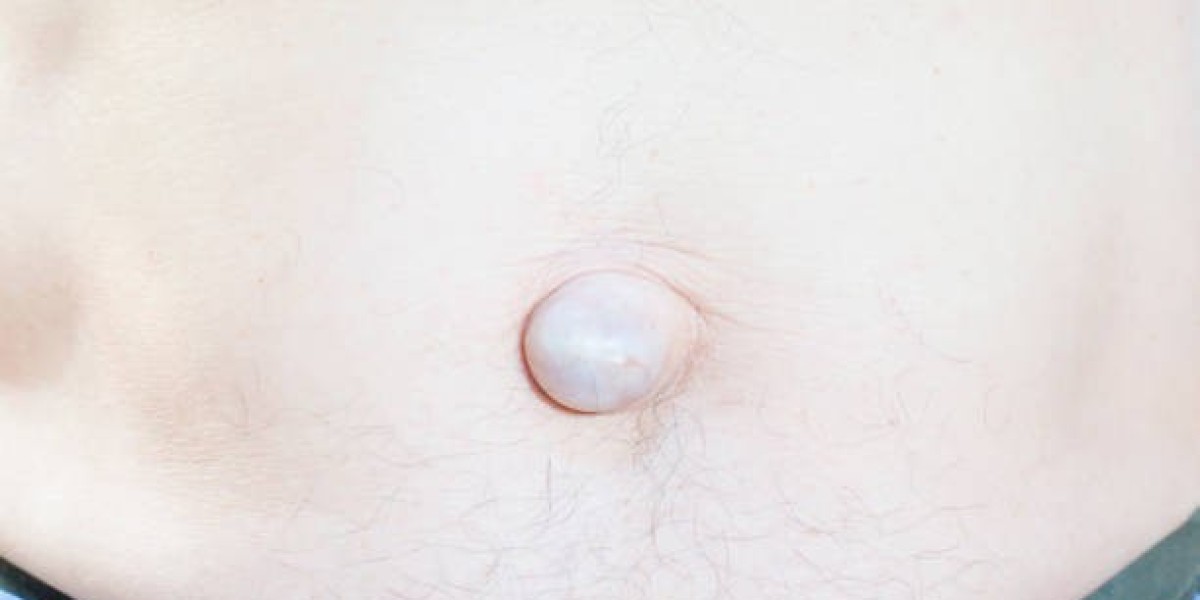

Recovering from hernia surgery is not just about healing the wound—it’s about building long-term wellness to prevent recurrence and maintain a strong, healthy body. A successful recovery depends on following the right guidelines, making lifestyle changes, and listening to your body as it heals. Hernia surgery cost in Riyadh (تكلفة جراحة الفتق في الرياض) is often a major concern, but the real value comes from long-term wellness and a life free from pain and complications. With the right recovery tips, patients can enjoy lasting results and improved quality of life.
After hernia surgery, the body works to repair the weakened muscle wall, and proper care supports this healing process. Patients may experience mild pain, swelling, and a feeling of tightness around the incision, which is normal during the first few days. Hernia surgery cost in Riyadh varies depending on the procedure and clinic, but investing in long-term wellness through proper recovery ensures better outcomes. By following these tips, patients can strengthen their body, reduce the risk of recurrence, and enjoy a healthier lifestyle.
Follow Postoperative Instructions Carefully
Your surgeon will provide specific postoperative instructions for wound care, activity restrictions, and medication. Following these guidelines closely is essential for a smooth recovery. Avoid heavy lifting, intense exercise, and strenuous activities until your surgeon gives approval. Proper adherence reduces the risk of complications and supports healing.
Manage Pain and Swelling Effectively
Pain after hernia surgery is normal and usually improves within a few days. Use prescribed pain medication as directed and avoid overuse. Applying cold packs (if recommended) can help reduce swelling. If pain worsens or is accompanied by fever, redness, or unusual swelling, contact your surgeon immediately.
Maintain a Healthy Diet for Healing
A balanced diet plays a key role in long-term recovery. Include fiber-rich foods such as fruits, vegetables, and whole grains to prevent constipation and reduce strain on the surgical site. Protein-rich foods like lean meat, fish, and legumes support tissue repair. Staying hydrated is also essential for smooth healing.
Stay Active with Gentle Exercise
Light walking is encouraged soon after surgery to improve circulation and prevent blood clots. Gradually increase your activity level based on your surgeon’s advice. Avoid heavy lifting and intense workouts for several weeks. Once cleared, incorporate gentle core-strengthening exercises to support abdominal stability and long-term wellness.
Avoid Smoking and Limit Alcohol
Smoking can slow healing and increase the risk of complications such as infection and recurrence. Quitting smoking before and after surgery supports faster recovery and long-term health. Limiting alcohol intake also helps maintain a healthy lifestyle and supports proper healing.
Maintain a Healthy Weight
Excess weight puts pressure on the abdominal wall, increasing the risk of hernia recurrence. Maintaining a healthy weight through balanced diet and regular exercise supports long-term wellness. If weight loss is needed, focus on gradual and sustainable changes rather than crash diets.
Prevent Constipation and Straining
Constipation can strain the abdominal area and affect healing. Include fiber-rich foods, drink plenty of water, and consider gentle stool softeners if recommended by your doctor. Avoid straining during bowel movements to protect the surgical site.
Monitor for Signs of Complications
Although hernia surgery is generally safe, patients should watch for signs of complications such as fever, increasing pain, redness, or discharge from the incision. A bulge returning at the surgical site may indicate recurrence. If you experience severe symptoms or feel unwell, contact your surgeon immediately.
Regular Follow-Up and Long-Term Checkups
Follow-up appointments help monitor healing and ensure the repair remains stable. Discuss any concerns or persistent discomfort with your surgeon. Long-term checkups help detect early signs of recurrence and support ongoing wellness.
Book Your Appointment at Royal Clinic Saudia
If you are preparing for hernia surgery or need guidance on recovery and long-term wellness, Royal Clinic Saudia (عيادات رويال كلينك) offers expert care and personalized support in Riyadh. Our experienced team ensures a safe recovery and helps you maintain long-term health. Contact Royal Clinic Saudia today to book your consultation and start your journey toward a stronger, healthier life.