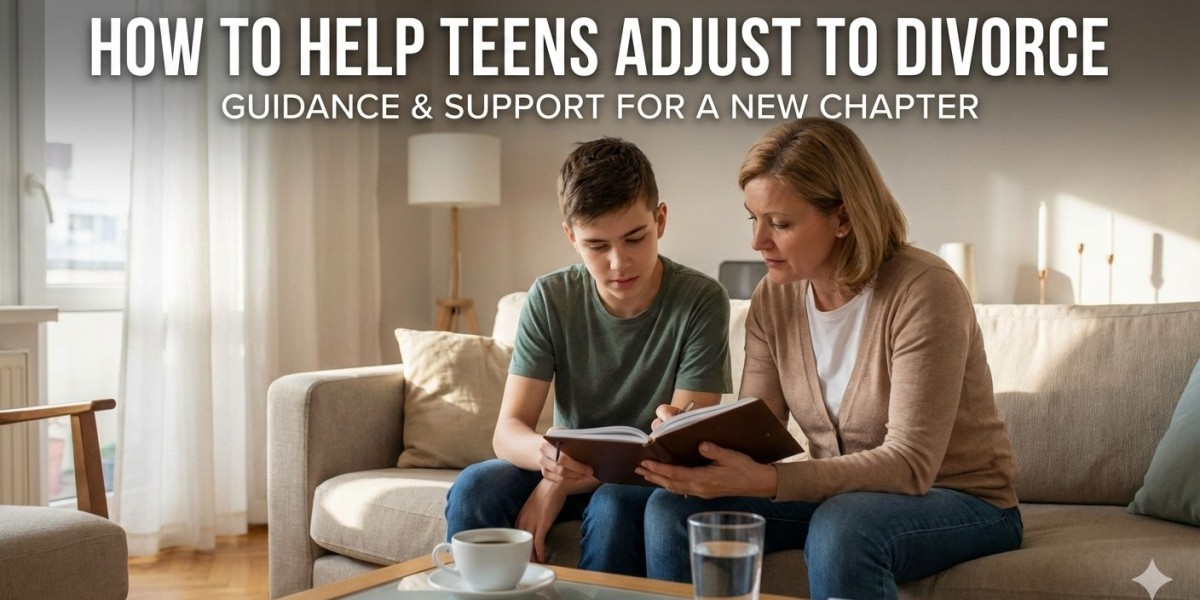

Divorce is one of the most significant changes a family can experience, and while adults may understand the reasons behind it, teenagers often struggle to process the emotional and practical impact. Adolescence is already a time of emotional growth, identity formation, and social pressure. When divorce enters the picture, it can intensify feelings of confusion, anger, sadness, and insecurity. That is why it is essential for parents and caregivers to actively work to help teens adjust to divorce in healthy and supportive ways.
Many parents assume that teens are old enough to cope on their own, but this belief can unintentionally leave adolescents feeling unsupported. Teens may not always express their pain openly; instead, it can show up through withdrawal, mood changes, declining academic performance, or behavioral issues. Understanding these responses and addressing them with empathy is the first step toward helping teens navigate this difficult transition.
This article explores practical strategies, emotional insights, and long-term approaches to help teens adjust to divorce while maintaining their emotional wellbeing, confidence, and sense of stability.
Understanding How Divorce Affects Teenagers
To effectively help teens adjust to divorce, it is important to understand how they experience it differently than younger children or adults. Teenagers are at a stage where they are developing independence but still rely heavily on family stability for emotional security.
Divorce can make teens feel as though their foundation has been shaken. They may worry about the future, question their sense of belonging, or feel torn between parents. Some teens may internalize the conflict and blame themselves, while others may express anger or resentment outwardly.
Common emotional reactions include:
Sadness or grief over the loss of the family unit
Anger toward one or both parents
Anxiety about changes in living arrangements or finances
Confusion about loyalty and family roles
Fear of abandonment or instability
Recognizing that these reactions are normal helps parents respond with patience rather than frustration.
The Importance of Emotional Validation
One of the most powerful ways to help teens adjust to divorce is through emotional validation. Teens need to feel that their emotions are seen, heard, and respected. Dismissing their feelings or minimizing their pain can lead to emotional shutdown or resentment.
Parents should create a safe space where teens feel comfortable expressing themselves without fear of judgment. This means listening more than speaking, avoiding defensive reactions, and acknowledging their emotions even when it feels uncomfortable.
Simple actions like saying, “I understand this is hard for you,” or “Your feelings make sense,” can help teens feel supported. Emotional validation builds trust and encourages teens to open up rather than withdraw.
Maintaining Open and Honest Communication
Clear and honest communication plays a crucial role when working to help teens adjust to divorce. Uncertainty often causes more stress than the truth, so providing age-appropriate explanations about what is happening can reduce anxiety.
Parents should be transparent about changes that will affect the teen’s daily life, such as living arrangements, schedules, or school routines. At the same time, it is important not to overwhelm them with adult conflicts or legal details.
Regular check-ins allow teens to ask questions and express concerns as they arise. These conversations do not need to be formal or lengthy. Even short, consistent moments of connection can help teens feel secure and informed.
Avoiding Conflict in Front of Teens
Parental conflict is one of the most damaging aspects of divorce for teenagers. Witnessing arguments or being drawn into disputes can increase stress and emotional harm. To help teens adjust to divorce, parents should make every effort to keep conflicts private and respectful.
Teens should never feel pressured to take sides or act as messengers between parents. This creates emotional burden and loyalty conflicts that can affect their mental health.
Cooperative communication between parents, even after separation, sends a powerful message of stability and care. When teens see their parents handling disagreements maturely, it reassures them that they are safe and supported despite the changes.
Establishing Stability Through Routine
Divorce often disrupts daily routines, which can make teens feel unsettled. One effective way to help teens adjust to divorce is by maintaining consistent schedules and expectations.
Regular routines around school, meals, sleep, and extracurricular activities provide a sense of normalcy during a time of uncertainty. Predictability helps teens feel grounded and in control, even when other aspects of life feel unpredictable.
When teens move between two households, coordinating routines as much as possible can ease the transition. Consistency in rules, expectations, and responsibilities reduces confusion and stress.
Supporting Academic and Personal Growth
The emotional toll of divorce can affect a teen’s ability to focus, stay motivated, and perform well academically. Parents should remain attentive to changes in school performance or behavior and offer support rather than criticism.
Encouraging teens to continue pursuing their interests, hobbies, and goals helps reinforce their sense of identity beyond family circumstances. Activities such as sports, art, music, or volunteering provide emotional outlets and boost confidence.
Celebrating achievements, no matter how small, reminds teens that they are capable and valued. Positive reinforcement plays a key role in building resilience during challenging times.
Encouraging Healthy Emotional Expression
Teens may struggle to express their emotions verbally, especially during divorce. Helping them find healthy ways to release and process feelings is essential.
Some teens benefit from journaling, creative expression, or physical activity. Others may prefer talking to trusted friends or mentors. Parents should respect individual preferences and avoid forcing conversations before the teen is ready.
Encouraging emotional expression helps prevent bottled-up feelings from turning into long-term emotional or behavioral issues. The goal is not to eliminate negative emotions but to help teens manage them constructively.
Considering Professional Support When Needed
In some cases, professional support can be a valuable resource to help teens adjust to divorce. Counselors or therapists provide a neutral and safe environment where teens can explore their emotions and learn coping strategies.
Seeking professional help should be presented as a supportive option, not a punishment or sign of weakness. Teens are more likely to engage when they feel respected and involved in the decision.
Support groups can also help teens realize they are not alone. Connecting with peers who have experienced similar situations can reduce isolation and normalize their feelings.
Promoting Positive Relationships With Both Parents
Maintaining healthy relationships with both parents is critical for a teen’s emotional wellbeing. Unless safety concerns exist, teens benefit from feeling loved and supported by both sides of the family.
Parents should encourage ongoing connection and avoid speaking negatively about the other parent in front of the teen. Respectful co-parenting helps teens feel secure and reduces emotional conflict.
When teens feel free to love both parents without guilt, it supports their emotional development and long-term mental health.
Helping Teens Build Resilience
Divorce is a challenging experience, but it can also be an opportunity for growth when handled with care. Helping teens develop resilience equips them with skills they can carry into adulthood.
Resilience is built through supportive relationships, problem-solving skills, and emotional awareness. By modeling healthy coping behaviors and maintaining open communication, parents teach teens how to navigate difficult life changes.
Encouraging independence while offering guidance helps teens gain confidence in their ability to adapt and overcome challenges.
Long-Term Perspective: Life After Divorce
It is important to remember that adjustment does not happen overnight. Helping teens adjust to divorce is an ongoing process that evolves over time. Emotional responses may resurface during milestones such as moving homes, changing schools, or family events.
Parents should remain attentive and flexible, understanding that healing is not linear. Continued support, patience, and reassurance help teens feel secure as they adapt to their new family structure.
With the right support system, teens can emerge from divorce emotionally stronger, more self-aware, and resilient.
Conclusion
Divorce can be a deeply emotional experience for teenagers, but with understanding, communication, and consistency, parents can effectively help teens adjust to divorce. Emotional validation, stable routines, respectful co-parenting, and access to support resources all play vital roles in helping teens navigate this transition.
By prioritizing empathy and connection, parents create a supportive environment where teens feel heard, valued, and safe. While divorce changes family dynamics, it does not have to define a teen’s emotional future. With guidance and care, teens can adapt, heal, and continue to grow with confidence and resilience.










