
Introduction
Feeding pumps play a critical role in both short- and long-term nutritional support for patients who cannot consume food orally. From hospital settings to home care, feeding pumps ensure controlled, safe delivery of nutrition. However, one of the biggest concerns for patients and caregivers is insurance coverage for feeding pumps. Understanding what insurance covers—and what it doesn’t—can save time, money, and stress. This blog explains everything you need to know about insurance and feeding pumps in simple terms.
What Are Feeding Pumps?
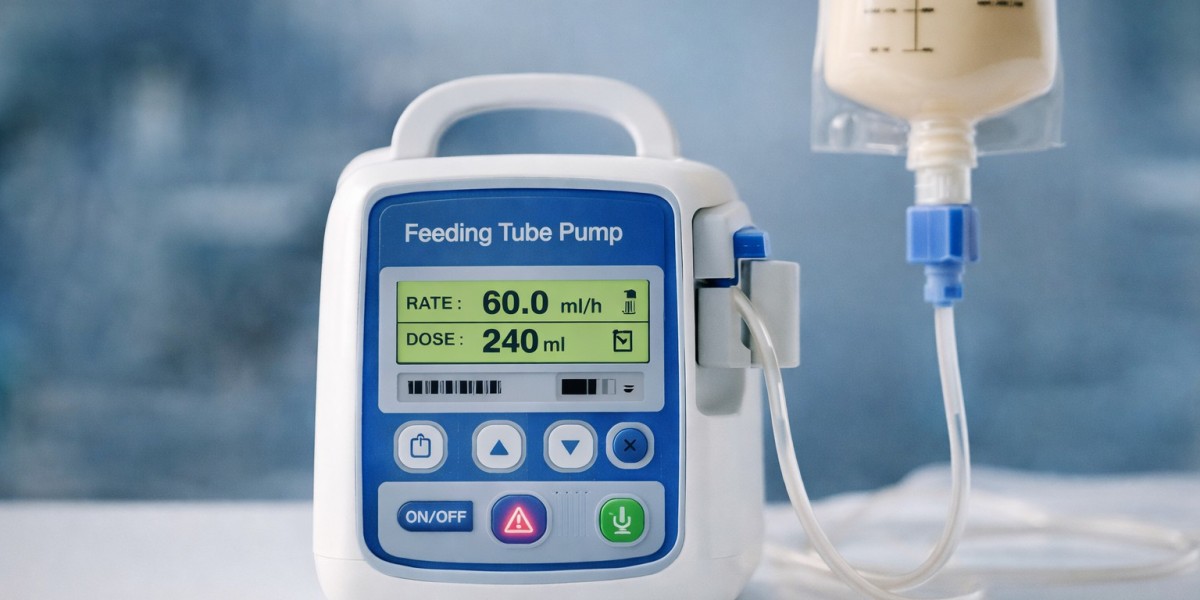
Feeding pumps are medical devices designed to deliver liquid nutrition directly into the stomach or intestine through a feeding tube. They are commonly prescribed for patients with neurological disorders, cancer, digestive conditions, or post-surgical recovery needs. These pumps are precise, portable, and essential for consistent feeding schedules.
Why Insurance Coverage Matters for Feeding Pumps
Feeding pumps can be expensive, especially when used long-term. Costs may include the pump itself, feeding sets, bags, tubing, and maintenance. Insurance coverage helps reduce the financial burden and ensures uninterrupted nutritional care.
Does Insurance Cover Feeding Pumps?
In most cases, feeding pumps are covered by insurance, but coverage depends on the provider, policy type, and medical necessity.
Typically Covered by Insurance
Feeding pump device (rental or purchase)
Feeding pump bags and administration sets
Tubing and connectors
Medically necessary replacements
Insurance providers usually classify feeding pumps as Durable Medical Equipment (DME), which makes them eligible for coverage under many plans.
Medical Necessity: The Key Factor
Insurance companies require proof that feeding pumps are medically necessary. This includes:
Doctor’s prescription
Diagnosis supporting tube feeding
Duration of use (short-term or long-term)
Type of feeding tube used
Without proper documentation, claims for feeding pumps may be denied.
What Insurance Often Does NOT Cover
While feeding pumps themselves are often covered, some related items may not be.
Common Exclusions
Nutritional formulas (sometimes covered separately)
Extra accessories beyond standard kits
Non-prescribed pump upgrades
Improper or non-medical use
Understanding exclusions helps avoid unexpected expenses.
Coverage by Insurance Type
Private Health Insurance
Most private insurers cover feeding pumps when prescribed. Coverage levels vary, and co-pays or deductibles may apply.
Government Insurance
Medicare: Covers feeding pumps under DME if strict criteria are met
Medicaid: Coverage varies by state but often includes feeding pumps
Always confirm coverage details directly with your provider.
Rental vs Purchase: What Insurance Prefers
Many insurance companies prefer renting feeding pumps rather than outright purchase, especially for short-term use. Long-term patients may qualify for purchase after a rental period.
How to Get Insurance Approval Faster
Ensure accurate medical documentation
Use in-network medical suppliers
Verify prior authorization requirements
Keep copies of prescriptions and reports
Following these steps improves approval success.
The Role of Reliable Medical Stores
Choosing a trusted medical supplier ensures proper insurance coordination, documentation support, and authentic equipment. A reliable store simplifies the entire insurance claim process for feeding pumps.
FAQs: Insurance and Feeding Pumps
Q1. Are feeding pumps covered by insurance?
Yes, feeding pumps are usually covered when prescribed by a doctor and classified as medically necessary equipment.
Q2. Does insurance cover feeding pump supplies?
Most plans cover basic feeding pump supplies like tubing and bags, but coverage limits depend on your insurance policy.
Q3. Is a nutritional formula included with feeding pumps?
Often no. Nutritional formulas may require separate approval or may not be covered under standard insurance plans.
Q4. Can I buy a feeding pump without insurance?
Yes, feeding pumps can be purchased directly, but costs are higher without insurance support or reimbursement.
Q5. How long does insurance approval take for feeding pumps?
Approval typically takes a few days to two weeks, depending on documentation and insurance provider requirements.
Conclusion
Navigating insurance coverage for feeding pumps can feel complex, but having the right support makes all the difference. All Care Store stands out as a reliable provider, offering high-quality feeding pumps, expert guidance, and assistance with insurance-related needs. With a commitment to patient care, affordability, and authentic medical equipment, All Care Store helps patients and caregivers access the right solutions with confidence, ensuring uninterrupted nutrition support and peace of mind.










