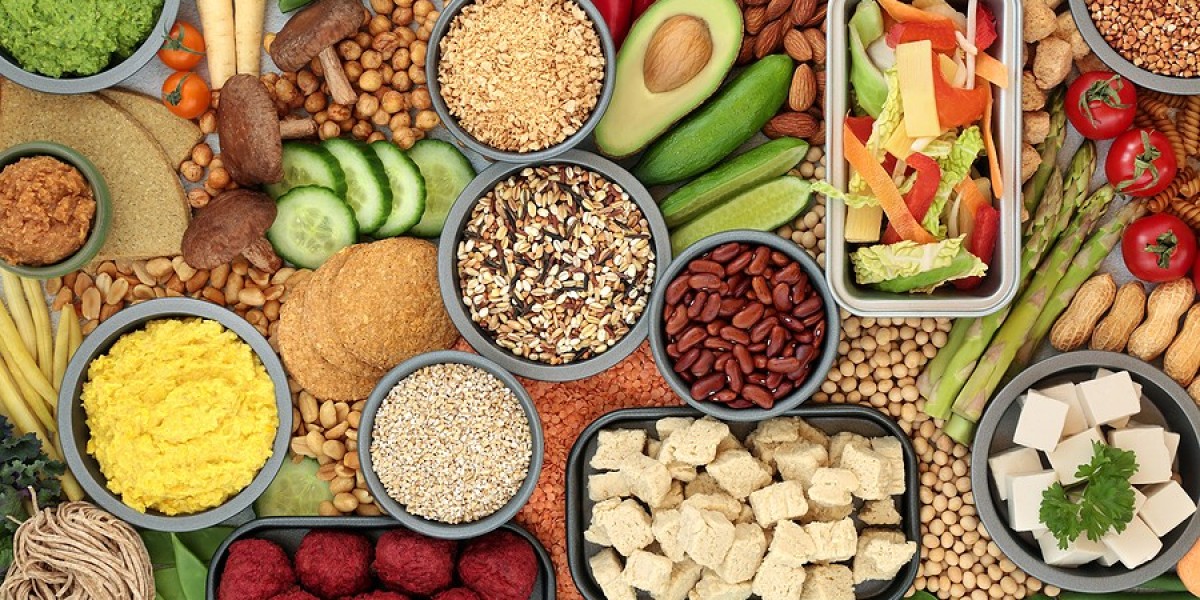

Switching to a whole-food, plant-based diet is one of the most powerful decisions you can make for your health, energy, and long-term wellness. Unlike fad diets that offer quick results and fade away just as quickly, a whole-food, plant-based lifestyle is rooted in nature, science, and sustainability. It focuses on nourishing the body with foods that are fresh, natural, and minimally processed the way humans were originally meant to eat.
This guide will help you understand what a whole-food, plant-based diet truly means, how it can transform your well-being, and how to start your journey with confidence and clarity.
What Is a Whole-Food, Plant-Based Diet?
A whole-food, plant-based diet centers around natural foods that come directly from plants. These foods are consumed in their most natural form or close to it, without heavy processing, added chemicals, or artificial ingredients.
It includes:
Vegetables
Fruits
Whole grains
Legumes
Nuts and seeds
Plant-based proteins
It limits or avoids:
Animal products
Processed foods
Refined sugars
Oils and deep-fried foods
Packaged snacks
The goal is simple: eat real food. It’s not about strict rules — it’s about creating a lifestyle filled with nutritious meals that make your body feel energized and strong.
Why Choose a Whole-Food, Plant-Based Lifestyle?
People switch to plant-based eating for various reasons — better health, weight control, environmental concerns, or simply feeling more alive and energetic. No matter your motivation, this lifestyle offers impressive benefits.
1. Higher Energy Levels
Plant-based foods contain complex carbohydrates that release energy slowly, keeping you active throughout the day without sudden crashes.
2. Better Weight Management
Whole foods are naturally lower in calories and higher in fiber. They keep you full longer and reduce cravings, making healthy weight maintenance effortless.
3. Improved Digestion
Fiber from fruits, vegetables, and grains nourishes your gut bacteria, supporting smoother digestion and a healthier digestive system.
4. Stronger Immunity
Plants are rich in vitamins, minerals, antioxidants, and phytonutrients that strengthen your immune system and protect against disease.
5. Lower Risk of Chronic Diseases
Many studies show that plant-based diets help reduce the risk of heart disease, diabetes, high blood pressure, and certain cancers.
6. Clearer Skin and Better Mood
Less inflammation and more nutrient-dense foods lead to clearer skin, fewer breakouts, and improved mood stability.
Key Components of a Whole-Food, Plant-Based Diet
To thrive on this lifestyle, it’s important to understand the essential categories of foods and how each one supports your health.
✔ Vegetables: The Foundation of Every Meal
Leafy greens like spinach, kale, and methi provide iron, calcium, and antioxidants. Root vegetables like carrots, beets, and sweet potatoes offer fiber and vitamins.
✔ Fruits for Natural Sweetness
Berries, apples, bananas, citrus fruits, and mangoes supply antioxidants, hydration, and natural sugars for quick energy.
✔ Whole Grains for Sustained Strength
Millet, brown rice, oats, quinoa, and whole wheat provide essential carbohydrates and slow-releasing energy.
✔ Legumes for Protein and Fiber
Lentils, beans, chickpeas, and peas are rich in protein and support muscle repair and stable blood sugar levels.
✔ Nuts and Seeds for Healthy Fats
Almonds, walnuts, chia, flaxseed, and sunflower seeds support brain function, hormonal balance, and heart health.
✔ Plant-Based Proteins
Tofu, tempeh, and plant-based alternatives help you meet protein needs without relying on animal products.
How to Start Thriving on a Whole-Food, Plant-Based Diet
Transitioning to a plant-based lifestyle doesn’t have to be complex. Small steps lead to big changes. Here’s how to begin:
1. Start Slow
You don’t need to switch overnight. Begin with one plant-based meal per day — breakfast or lunch is a great place to start.
2. Focus on Adding, Not Restricting
Add more fruits, vegetables, and whole grains to your meals. When your plate is full of wholesome foods, cravings for junk naturally decrease.
3. Learn Simple Plant-Based Recipes
You don’t need fancy meals. Start with:
Oats with fruits and nuts
Vegetable stir-fry
Lentil soups
Salads with beans and seeds
Whole grain bowls
Simple meals can be nutritious and satisfying.
4. Prepare Your Kitchen
Stock your pantry with plant-based staples:
Grains
Beans
Vegetables
Fruits
Nuts and seeds
Having the right ingredients makes healthy eating easier.
5. Stay Hydrated
Water supports digestion, nutrient absorption, and overall body function. Herbal teas and infused water also help.
6. Read Food Labels
Many packaged foods contain hidden sugars, oils, and additives. Choose items with fewer ingredients and more whole foods.
Common Mistakes to Avoid
Even with the right intentions, beginners sometimes make mistakes that slow their progress.
Relying Too Much on Processed Vegan Foods
Plant-based is not automatically healthy. Packaged vegan snacks can be high in salt, sugar, and additives.
Not Eating Enough
Whole foods are lower in calories. You may need larger portions to feel satisfied.
Ignoring Balanced Nutrition
Make sure your plate includes:
A source of protein
Healthy fats
Fiber-rich vegetables
Whole grains
Skipping Variety
Eating the same foods every day can lead to nutrient gaps. Mix up your meals with different fruits, veggies, and grains.
Sample One-Day Plant-Based Meal Plan
Here’s a simple example to show how easy plant-based eating can be:
Breakfast
Oats with bananas, berries, chia seeds, and cinnamon.
Lunch
Brown rice bowl with stir-fried vegetables, lentils, and a squeeze of lemon.
Snack
A handful of nuts and a piece of fruit.
Dinner
Quinoa salad with chickpeas, tomatoes, cucumbers, greens, and a light dressing made from lemon and herbs.
This combination provides protein, healthy fats, fiber, and nutrients to keep you energized all day.
The Long-Term Impact of a Whole-Food, Plant-Based Lifestyle
When you commit to plant-based eating consistently, the results extend far beyond weight loss or physical health. People often experience:
Better sleep
Clearer thinking
Reduced cravings
Improved gut health
Emotional balance
Higher productivity
Better hormonal health
The transformation becomes a lifestyle shift — not a short-term experiment.
Conclusion:
Thriving on a whole-food, plant-based diet is about more than choosing healthier foods it’s about reconnecting with nature, understanding your body’s needs, and prioritizing your well-being. With every meal, you are giving your body the tools it needs to heal, energize, and flourish.
This lifestyle is empowering, sustainable, and deeply rewarding. By focusing on whole foods and natural nutrition, you can experience a stronger, lighter, clearer, and more vibrant version of yourself.