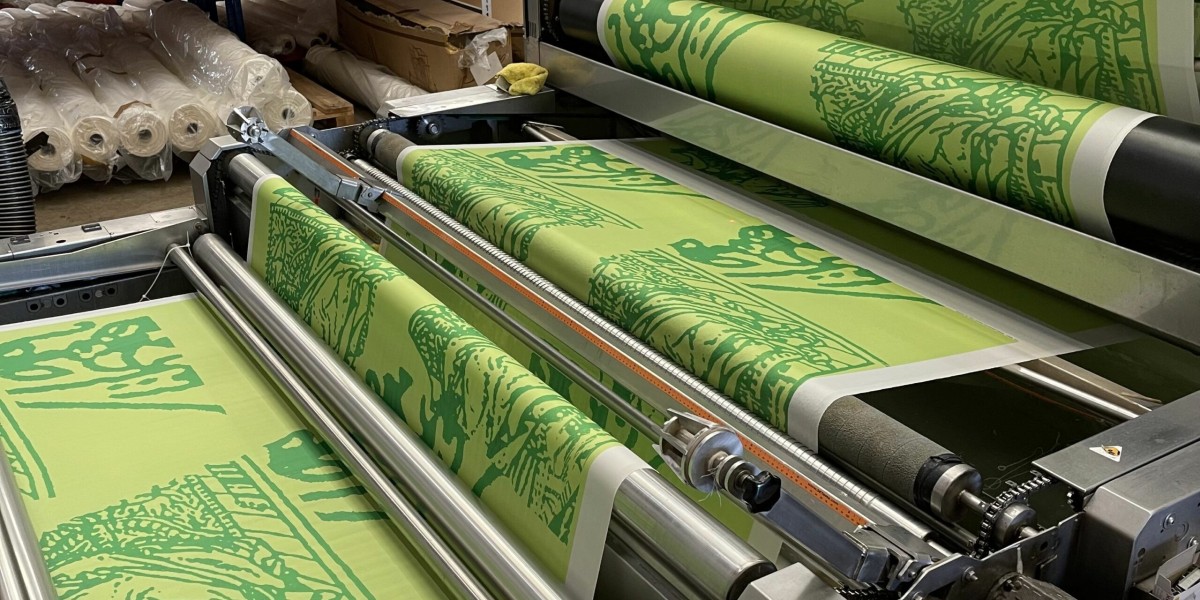

How to Choose the Right Fabric for Digital Printing
Digital printing has transformed textile design, allowing businesses to produce intricate, custom, and high-quality designs quickly. However, even the most advanced printers cannot compensate for poor fabric choice. Selecting the right fabric is critical to achieving vivid colors, sharp details, and long-lasting results.
Different fabrics react differently to inks, moisture, and printing processes. Understanding the characteristics of various fabrics enables designers and textile businesses to choose materials that complement their printing goals. The right fabric ensures the design appears vibrant, the texture remains smooth, and the final product meets customer expectations.
Understanding Fabric Types
Digital fabric printing works best on certain materials due to their ability to absorb inks effectively. Natural fibers such as cotton, silk, and linen generally provide excellent results because they hold dye well, allowing vivid and durable prints. Synthetic fabrics like polyester also work effectively but often require specialized inks or pretreatment to achieve optimal color vibrancy and adherence.
The type of fabric affects not only the print quality but also the feel, drape, and durability of the final product. For example, cotton offers a soft, breathable feel, making it ideal for apparel, while polyester is more durable and resistant to shrinkage, making it suitable for sportswear and home textiles.
Fabric Weight and Texture
Fabric weight and texture play a significant role in digital fabric printing. Heavier fabrics may require more ink, which can affect drying time and color saturation. Lighter fabrics absorb ink more quickly but may show design bleed if the material is too thin or loosely woven. Smooth fabrics produce crisp, detailed images, while textured fabrics can create unique effects but may distort fine details.
Choosing the right combination of weight and texture depends on the intended use of the printed fabric. Apparel may benefit from soft, medium-weight fabrics, while upholstery or decorative textiles may require heavier materials that maintain shape and durability.
Color and Fabric Absorption
The base color of the fabric significantly impacts the outcome of digital printing. Lighter fabrics generally provide the best canvas for bright, vibrant prints, as colors appear more accurately. Dark fabrics often require pre-treatment or specialized inks to prevent colors from looking muted or uneven.
Fabric absorption characteristics also influence the intensity and clarity of prints. Fabrics with higher absorbency ensure ink penetration and longer-lasting prints, whereas low-absorbency fabrics may require additional processes to enhance color adhesion.
Pre-treatment and Compatibility
Certain fabrics require pre-treatment to prepare the surface for digital printing. Pre-treatment ensures the ink bonds effectively, prevents smudging, and improves color vibrancy. Cotton and silk may need light coating, while synthetic fibers like polyester often require chemical pretreatments designed for dye-sublimation or reactive inks.
Compatibility between the fabric, ink type, and printing technology is crucial. For example, reactive inks work best on natural fibers, while sublimation inks perform optimally on polyester. Understanding these relationships prevents printing errors and ensures consistent, high-quality results.
Durability and Intended Use
Consider how the final product will be used when selecting fabrics. Apparel requires fabrics that maintain softness and color after washing, while home décor items like curtains or cushions need fabrics that resist fading and wear. Fabrics with strong tensile strength and high resistance to abrasion perform better for products subject to frequent use.
Selecting durable fabrics ensures the design maintains its aesthetic appeal and functionality over time, providing long-term value for both businesses and consumers.
Frequently Asked Questions
What fabrics work best for digital printing?
Natural fibers like cotton, silk, and linen, as well as polyester with proper pretreatment, are ideal due to their ability to hold vibrant inks and produce detailed prints.
Can textured fabrics be used for digital printing?
Yes, but the texture may affect the clarity of fine details. Smooth fabrics provide the most precise results, while textured fabrics can create unique visual effects.
Do dark fabrics require special treatment?
Yes, dark fabrics often need pre-treatment or specialized inks to prevent muted colors and ensure the design appears vibrant.
How does fabric weight affect digital printing?
Heavier fabrics may require more ink and longer drying times, while lighter fabrics are easier to print on but may show design bleed if too thin.
Is fabric durability important for printing?
Absolutely. Durable fabrics maintain design quality and appearance over time, especially for items subjected to frequent use or washing.
Conclusion
Choosing the right fabric is essential for successful digital fabric printing. Factors such as fiber type, texture, weight, color, absorption, and durability all influence print quality, longevity, and the final appearance of the product. Understanding these characteristics allows businesses and designers to select fabrics that complement their designs and meet customer expectations.
By making informed fabric choices, textile businesses can maximize the benefits of digital printing, create high-quality products, and remain competitive in a market that increasingly values precision, customization, and innovation.