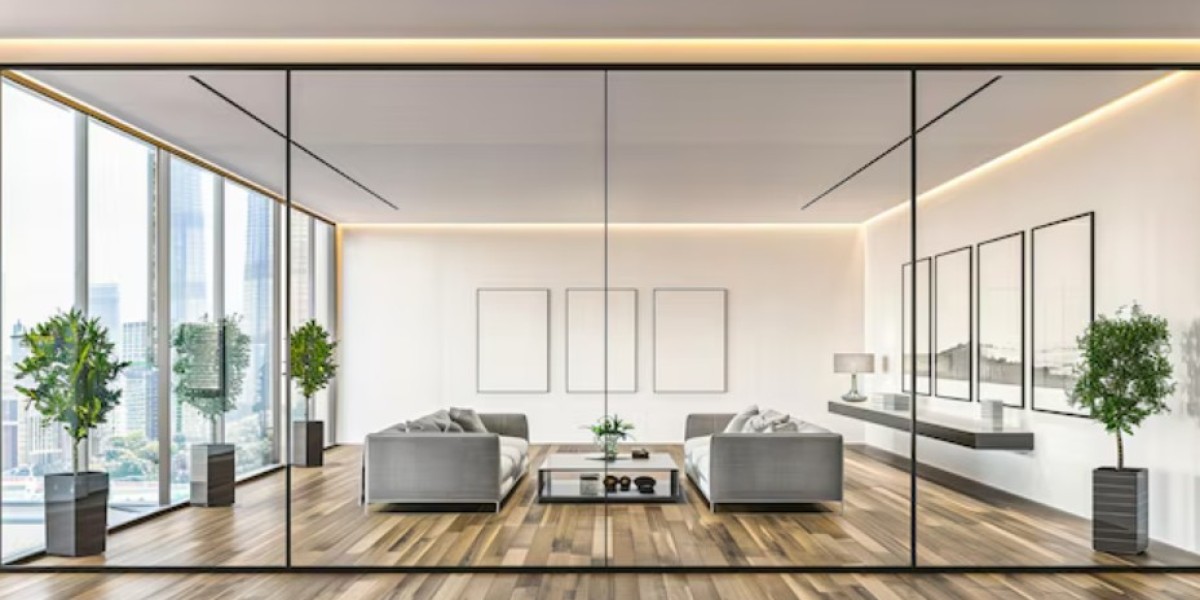

A Glass Partition Wall has become a defining feature of modern interior design, especially in offices, commercial buildings, and contemporary homes. The demand for a Glass Partition Wall continues to rise as businesses seek open, flexible, and visually appealing environments. Unlike traditional solid walls, a Glass Partition Wall allows light to flow freely while still maintaining defined spaces. When designed correctly, a Glass Partition Wall not only enhances aesthetics but also improves productivity, collaboration, and space utilization.
1. Understanding the Concept of Glass Partition Walls
A glass partition wall is a non-load-bearing wall made primarily of glass panels supported by aluminum, steel, or frameless systems. These walls are designed to divide spaces without making them feel closed or confined.
Key features include:
Transparency and natural light enhancement
Sound insulation options
Sleek and modern appearance
Customizable designs (clear, frosted, tinted, or laminated)
2. Benefits of Installing Glass Partition Walls
Glass partition walls offer both functional and aesthetic advantages. Below are some of the most important benefits:
Enhanced Natural Lighting: Reduces dependency on artificial lighting
Space Optimization: Creates divisions without reducing visual space
Modern Aesthetics: Elevates interior design instantly
Flexibility: Easy to reconfigure or relocate
Improved Collaboration: Encourages openness while maintaining structure
3. Types of Glass Partition Walls
Choosing the right type depends on your space requirements and privacy needs. Common types include:
Frameless Glass Partitions
Minimalist look
Ideal for executive offices and meeting rooms
Framed Glass Partitions
Added strength and durability
Suitable for high-traffic areas
Frosted or Tinted Glass Partitions
Enhanced privacy
Perfect for conference rooms or clinics
4. Role of Glass Wall System in Modern Interiors
In the middle of your design planning, the glass wall system plays a crucial role in ensuring structural integrity and design flexibility. A well-designed glass wall system integrates hardware, panels, and framing into a seamless solution. Businesses prefer a modular glass wall system because it allows easy expansion, modification, and long-term cost efficiency while maintaining a cohesive aesthetic.
5. Step-by-Step Installation Process
Installing a glass partition wall involves careful planning and professional execution.
Step-by-step process:
Space assessment and measurement
Selection of glass type and thickness
Frame or frameless system selection
Installation of tracks and supports
Glass panel fitting and sealing
Final inspection and safety checks
6. Maintenance and Care Tips
Proper maintenance ensures longevity and clarity.
Maintenance checklist:
Clean glass regularly with non-abrasive solutions
Inspect seals and frames periodically
Avoid harsh chemicals
Address chips or cracks immediately
Conclusion
A Glass Partition Wall is more than just a design trend—it is a smart architectural solution that combines style, functionality, and efficiency. Whether used in offices, retail spaces, or residential interiors, glass partitions redefine how spaces are experienced. With the right planning, installation, and maintenance, a glass partition wall can transform any environment into a brighter, more open, and highly productive space. Investing in quality materials and a reliable glass wall system ensures long-term value and visual appeal for years to come.