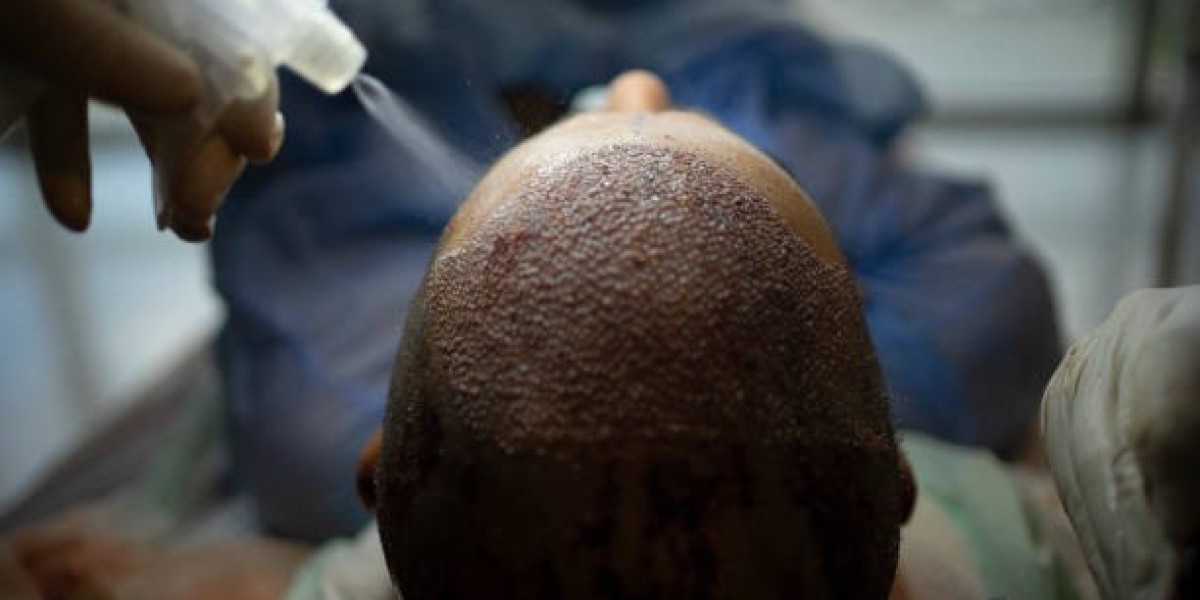

A hair transplant is a significant step toward long-lasting hair restoration, but the key to success lies in understanding the process, setting realistic expectations, and choosing the right approach. Many people focus only on the procedure itself, but long-term results depend on factors like donor hair quality, technique, and aftercare. If you’re considering Hair transplant (زراعة الشعر) in Riyadh, these insights will help you make informed decisions and ensure your results last for years to come.
The Importance of Choosing the Right Technique
Selecting the right hair transplant technique is essential for long-lasting results. Techniques like FUE, FUT, and DHI offer different benefits depending on your hair type, donor area, and goals. FUE is popular for minimal scarring and faster recovery, while FUT can provide a higher number of grafts in one session. DHI offers precise placement and natural-looking density. A professional evaluation helps determine which technique best matches your needs and ensures a durable outcome.
Donor Hair Quality and Its Role in Longevity
The quality of donor hair is one of the most important factors for long-lasting restoration. Donor follicles, typically taken from the back or sides of the scalp, are usually resistant to genetic hair loss. Healthy, dense donor hair supports better graft survival and natural growth. If the donor area is limited or weak, it may affect long-term results. Proper assessment of donor hair quality is crucial for ensuring lasting and natural outcomes.
Hairline Design and Natural Density Planning
A well-designed hairline is vital for long-term satisfaction. The hairline should be planned according to facial structure and age, ensuring a natural and balanced appearance. Overly low or dense hairlines can look unnatural and may not age well over time. Proper planning helps maintain a natural look as the patient grows older and hair loss progresses. This insight is essential for long-lasting and realistic results.
Post-Procedure Care for Sustained Growth
Aftercare plays a major role in long-term success. Following the clinic’s instructions regarding washing, avoiding sun exposure, and gentle scalp care helps protect the grafts and support healing. Healthy lifestyle habits, such as proper nutrition and stress management, also contribute to sustained hair growth. Consistent aftercare ensures that the transplanted hair remains healthy and strong over time.
Understanding the Growth Timeline and Patience
Long-lasting results require patience because hair growth develops gradually. New hair typically starts appearing around 3 to 4 months, with significant improvement by 6 to 9 months. Full results are usually visible around 12 months. Understanding this timeline helps patients stay patient and avoid unnecessary concern. This insight helps maintain confidence and motivation throughout the journey.
The Role of Supportive Treatments in Enhancing Results
Supportive treatments like PRP (Platelet-Rich Plasma) can enhance graft survival and improve scalp health. PRP uses growth factors from the patient’s own blood to stimulate healing and promote stronger hair growth. While not a replacement for a transplant, these treatments can complement the procedure and support long-term results. Discussing supportive options with a specialist helps optimize outcomes.
Realistic Expectations for Permanent Hair Restoration
Having realistic expectations is essential for long-lasting satisfaction. Hair transplants can significantly improve density and coverage, but results depend on individual factors such as hair texture, donor availability, and the extent of hair loss. A professional consultation helps set achievable goals and ensures that patients understand the potential outcome. Realistic expectations lead to greater satisfaction with long-term results.
Long-Term Maintenance and Future Planning
Hair restoration is not always a one-time solution, especially for individuals with progressive hair loss. Future planning and maintenance may include additional sessions or supportive treatments to maintain density as hair loss continues. Regular follow-ups with a specialist help monitor progress and plan future steps if needed. This proactive approach ensures lasting confidence and appearance.
Emotional and Social Benefits of Long-Lasting Results
Long-lasting hair restoration can have a profound emotional impact. Many patients experience improved self-esteem, confidence, and social comfort after achieving natural hair growth. The ability to style hair freely and feel confident in appearance can enhance quality of life. This long-term benefit is often the most rewarding outcome of a successful transplant.
Book Your Long-Lasting Hair Restoration Consultation
If you’re considering a hair transplant and want lasting, natural results, a professional consultation is the first step. Expert guidance helps you choose the best technique and plan for long-term success. Book your appointment at Royal Clinic Saudia (عيادات رويال كلينك) today to receive personalized care and begin your journey toward long-lasting hair restoration.