Imagine waking up to a head full of thick, vibrant hair without relying on harsh chemicals or invasive surgeries. That's the promise of PRP Hair Treatment, a revolutionary approach using your own blood plasma to stimulate hair follicles and promote natural regrowth. prp treatment price in riyadh But with DIY kits flooding online marketplaces, many wonder if they can replicate salon results at home. This blog dives deep into the myths surrounding at-home PRP versus the professional truths, empowering you with facts to make informed choices for your hair restoration journey.
Hair loss affects millions worldwide, from stress-induced shedding to genetic balding. Professional treatments offer precision and safety, yet home hacks tempt with convenience. We'll debunk misconceptions, explore science-backed realities, and guide you toward effective solutions that deliver lasting results.
What Exactly Is PRP Hair Treatment?
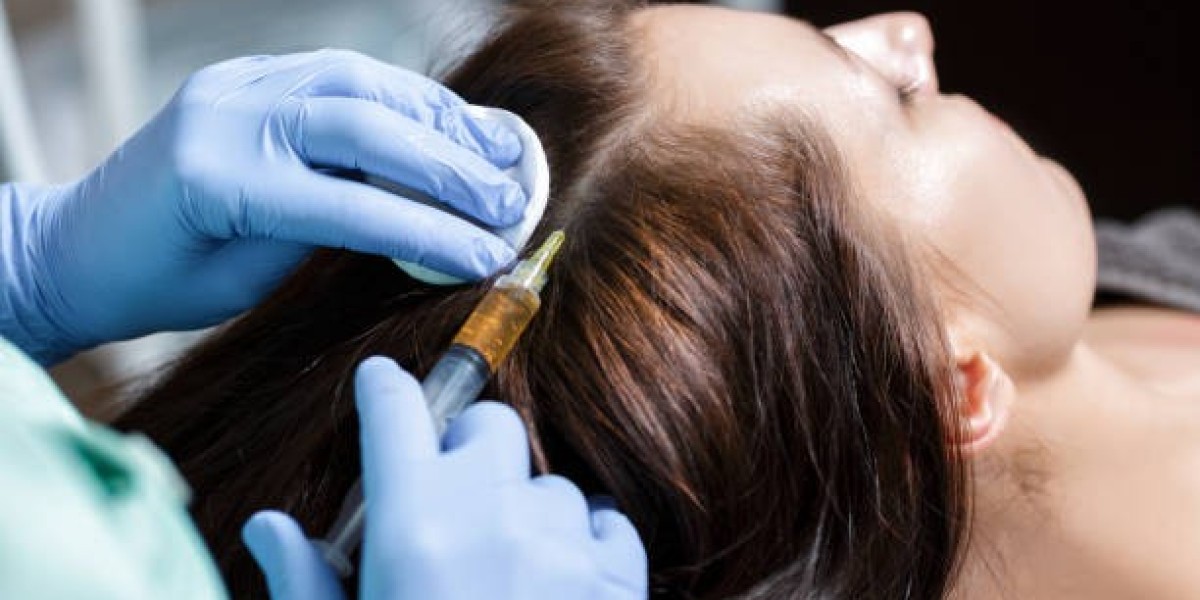
PRP Hair Treatment harnesses platelet-rich plasma derived from your blood, rich in growth factors that awaken dormant follicles. The process begins with a simple blood draw, followed by centrifugation to concentrate platelets, and precise injections into the scalp. This triggers collagen production, improves blood supply, and extends the hair growth cycle.
Unlike topical shampoos, PRP targets the root cause by delivering bioactive proteins directly where needed. Sessions typically span 30-60 minutes, with minimal downtime, making it ideal for busy lifestyles. Understanding this foundation separates hype from genuine efficacy.
The Science Behind PRP's Hair-Regrowing Power
Platelets release over 20 growth factors, including PDGF and VEGF, which nourish follicles and reduce inflammation. Studies show improved hair density after 3-4 sessions, with visible thickening in 70-80% of patients. This autologous therapy minimizes rejection risks, setting it apart from synthetic alternatives.
The Allure of At-Home PRP Hair Treatment Kits
Home kits promise salon-like results with spin centrifuges, numbing creams, and pre-filled syringes—all for doorstep delivery. Social media influencers showcase "before-and-after" transformations, fueling the DIY trend. Proponents claim it's empowering, cost-effective, and private.
Yet, these kits often oversimplify a medical procedure. Users mix their blood, hoping for concentrated plasma without lab-grade equipment. The appeal lies in accessibility, but does convenience trump safety and results?
Common Ingredients in DIY PRP Kits
Typical kits include microneedling rollers, activation gels, and basic centrifuges. Some add vitamins or peptides for "enhanced" formulas. While innovative, they lack standardization, leading to variable platelet yields—often below the therapeutic 5x concentration professionals achieve.
Myth 1: At-Home PRP Is Just as Effective as Professional Sessions
Many believe spinning blood at home yields identical results to clinic-grade machines. Truth: Professional setups use FDA-approved centrifuges achieving 90%+ platelet purity, versus home devices at 40-60%. This disparity means weaker growth stimulation and slower regrowth.
Real users report patchy results or no change, as scalp mapping for injection sites requires expert ultrasound guidance. Professional PRP Hair Treatment in Riyadh ensures even distribution, maximizing follicle activation across balding areas.
Myth 2: DIY PRP Saves Time and Effort Without Compromising Safety
Home enthusiasts skip appointments, claiming sterile home environments suffice. Reality check: Infection risks skyrocket without autoclaved tools or medical oversight. Allergic reactions to unverified additives or improper dosing can worsen hair loss.
Professionals monitor vitals, use sterile protocols, and adjust for individual blood profiles. At-home mishaps, like air bubbles in syringes, can cause bruising or embolisms—rare but serious.
Professional Safety Protocols Demystified
Clinics like Enfield Royal Riyadh follow WHO sterilization standards, with post-treatment antibiotics if needed. Trained dermatologists assess scalp health, ruling out contraindications like clotting disorders.
Myth 3: You Don't Need Training to Perform PRP on Yourself
Online tutorials make it seem foolproof: draw blood, spin, inject. But precise depth (1-4mm) and angle matter for follicle targeting. Amateurs often inject too shallowly, hitting skin instead of dermis, yielding zero benefits.
Experts undergo years of training, using magnification tools for accuracy. Book an appointment consultation at a clinic like Enfield Royal Riyadh to experience hands-on expertise tailored to your hair type.
Professional PRP Hair Treatment: The Gold Standard
In clinical settings, PRP Hair Treatment shines with customized protocols. Dermatologists evaluate via trichoscopy, combining PRP with exosomes or lasers for amplified results. Multiple sessions build cumulative effects, with maintenance every 6-12 months.
Patients notice shinier, denser hair within 3 months, backed by clinical trials. This structured approach addresses root causes like DHT sensitivity or poor circulation.
Step-by-Step Professional PRP Procedure
Consultation and blood draw.
Centrifugation for pure PRP.
Scalp numbing and targeted injections.
Post-care with growth serums.
This precision explains superior outcomes over DIY attempts.
Real Results: Comparing At-Home vs Clinic PRP
Anecdotal evidence favors pros: clinic patients gain 20-30% density, per pull tests, while home users average 5-10%. Long-term, professional PRP sustains growth; DIY often plateaus or reverses due to inconsistent dosing.
Visualize thicker crowns and reduced shedding—outcomes that inspire confidence. For Riyadh residents, local expertise ensures culturally attuned care.
Pregnant individuals or severe cases may need alternatives like minoxidil combos.
Boosting PRP with Complementary Therapies
Pair with low-level laser therapy or nutritional IVs for synergistic effects, amplifying growth factors naturally.
FAQs
How soon do PRP Hair Treatment results appear?
Visible improvements start at 4-6 weeks, peaking at 3-6 months with consistent sessions.
Is PRP Hair Treatment painful?
Topical anesthetics make it comfortable; most feel mild tingling.
Can PRP Hair Treatment reverse complete baldness?
Best for early thinning; advanced cases may need transplants alongside.
How many PRP Hair Treatment sessions are ideal?
3-6 initial treatments, spaced 4 weeks apart, then maintenance.
PRP Hair Treatment for eyebrows or beard?
Yes, adaptable for facial hair restoration with similar protocols.
Ready to debunk myths and embrace professional truths? Book an appointment consultation clinic like Enfield Royal Riyadh today for transformative PRP Hair Treatment results.