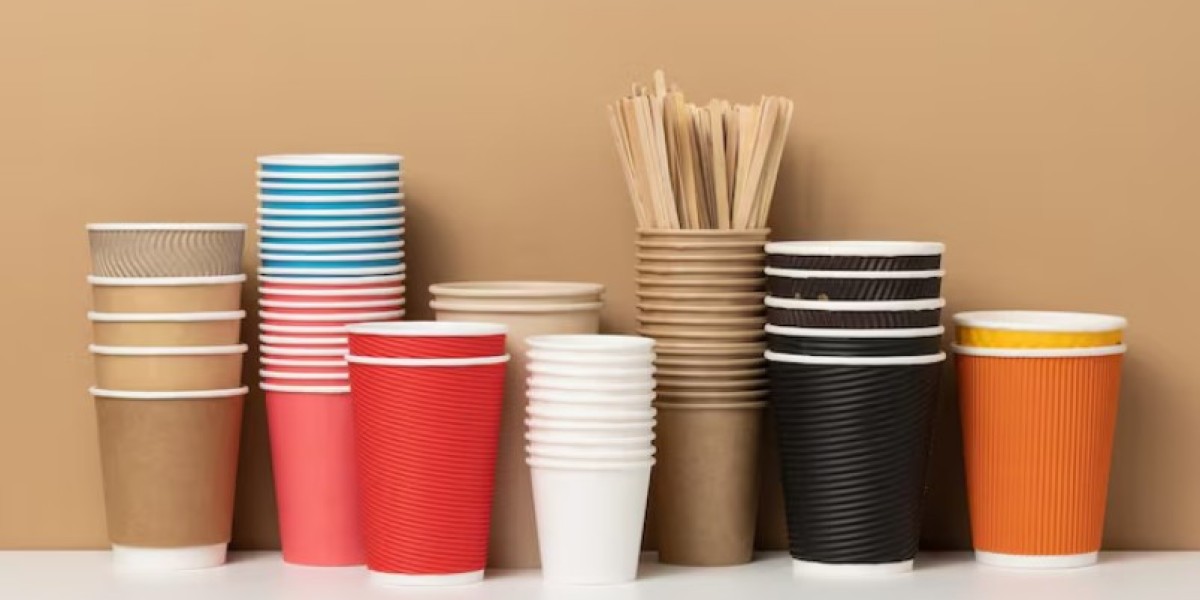

In today’s eco-conscious world, paper cups and lids have become more than just a takeaway convenience—they represent a shift in how businesses and consumers think about sustainability. From coffee shops to corporate events, paper cups and lids are now a preferred alternative to traditional packaging. The demand for paper cups and lids continues to grow as environmental awareness increases and regulations around waste become stricter. By choosing paper cups and lids, brands can reduce their environmental footprint while still delivering practicality and style.
1. What Makes Paper Cups and Lids So Popular?
The popularity of paper-based beverage containers is driven by several practical and environmental benefits:
They are lightweight and easy to transport
They offer excellent insulation for hot and cold drinks
They can be branded easily for marketing purposes
They are perceived as more eco-friendly by consumers
Businesses across the food and beverage industry are adopting these products to align with sustainability goals while meeting customer expectations.
2. Key Environmental Advantages
One of the strongest arguments for using paper-based options lies in their reduced environmental impact when compared to traditional alternatives.
Major benefits include:
Lower reliance on fossil fuels
Reduced carbon footprint during production
Better acceptance in recycling streams (depending on lining)
Increased consumer confidence in sustainable practices
When responsibly sourced, paper materials can be part of a circular economy, especially when paired with proper waste management systems.
3. Paper vs. Plastic: Understanding the Difference
In the middle of the sustainability discussion, it’s important to compare paper solutions with plastic cups and lids. While plastic products are known for durability and low cost, plastic cups and lids often contribute significantly to long-term environmental pollution. Many plastic cups and lids end up in landfills or oceans due to limited recycling options and improper disposal.
That said, some businesses still rely on plastic due to moisture resistance and strength. The key difference lies in environmental persistence—paper breaks down far more quickly, making it a more responsible short-term use product when disposal systems are in place.
4. How Businesses Can Transition Effectively
Switching to paper-based packaging doesn’t have to be complicated. Below is a simple step-by-step approach:
Evaluate current usage
Assess how many cups and lids your business uses daily or monthly.Choose quality suppliers
Look for certifications, food-grade materials, and sustainability claims.Test functionality
Ensure lids fit securely and cups perform well with different beverages.Educate staff and customers
Clear communication increases proper usage and disposal.Monitor feedback and costs
Track customer satisfaction and operational expenses after the switch.
5. Practical Uses Across Industries
Paper beverage containers are now widely used in:
Coffee shops and cafés
Fast food chains
Corporate offices
Outdoor events and festivals
Catering and takeaway services
Their versatility makes them suitable for both small businesses and large-scale operations.
Conclusion
As sustainability becomes a core value rather than a trend, paper cups and lids stand out as a practical solution for modern beverage service. They balance convenience, branding potential, and environmental responsibility in a way few alternatives can. While challenges such as recycling infrastructure remain, the shift away from excessive plastic use is a step in the right direction. By adopting paper-based options and encouraging responsible disposal, businesses and consumers alike can contribute to a cleaner, more sustainable future—one cup at a time.