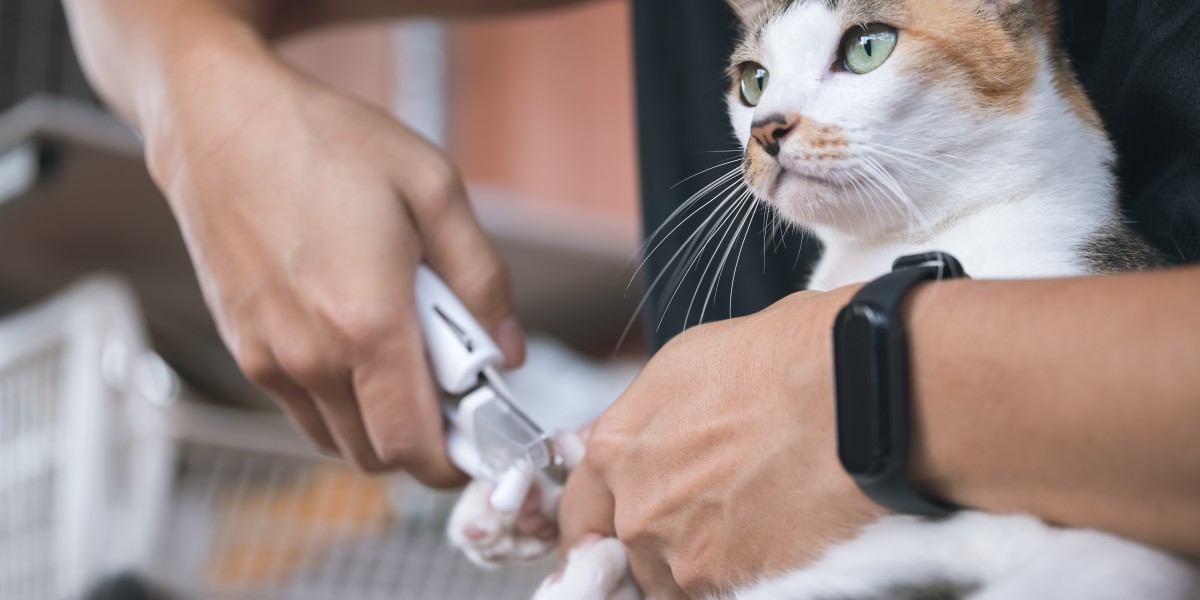

Declawing a cat is a topic that often sparks debate among pet owners and veterinarians alike. While some consider it a necessary procedure to prevent damage to furniture or ensure household safety, others see it as an invasive surgery with potential long-term effects on a cat’s health and behavior. Understanding the total cost of cat declawing is essential for responsible pet owners before making this decision. This article explores the expenses associated with the surgery, recovery, and aftercare, providing a comprehensive guide to help you make an informed choice.
What is Cat Declawing?
Cat declawing, medically known as onychectomy, involves the surgical removal of a cat’s claws. It’s not just a nail trim—it removes part of the cat’s toes, as the claws grow from the last bone of each toe. This procedure is generally performed under general anesthesia and is more complex than many owners realize.
While declawing can prevent scratching-related damages, it is considered controversial. Many veterinarians and animal welfare organizations recommend alternative methods like nail caps, scratching posts, and behavior training.
Understanding the Total Cost of Cat Declawing
The total cost of cat declawing varies significantly based on factors such as the cat’s age, size, location, and the clinic performing the surgery. Here’s a breakdown of the expenses you can expect:
1. Surgery Fees
Surgery is the most significant portion of the cost. In the United States, declawing surgery typically ranges from $200 to $500 for a single cat. This price can increase if your cat requires special anesthesia, sedation for anxiety, or if additional procedures are performed simultaneously (like spaying or neutering).
High-end veterinary clinics may charge up to $1,000 for declawing, particularly if they offer specialized pain management and post-operative care.
2. Anesthesia Costs
Anesthesia is critical for cat declawing, ensuring that your pet remains pain-free and immobile during surgery. This may cost between $50 and $150, depending on your cat’s weight and health condition. Older cats or those with underlying medical issues might need more extensive monitoring, increasing the overall anesthesia cost.
3. Pain Management
Managing post-surgical pain is crucial for a cat’s recovery. Veterinarians typically prescribe pain medications, which may include oral painkillers or topical treatments. These medications can cost between $20 and $60 for a standard course.
4. Pre-Surgery Exams
Before surgery, your cat will likely need a full veterinary examination to ensure they are healthy enough for anesthesia. Pre-surgery blood work and physical exams can cost an additional $50 to $100. This step is vital to prevent complications during or after the procedure.
Recovery and Aftercare Costs
Recovery from cat declawing is a critical period that requires careful monitoring and proper care. The costs of aftercare are often overlooked but are an essential part of the total cost of cat declawing.
1. Post-Surgical Checkups
Most veterinarians schedule follow-up visits to monitor healing and ensure there are no infections or complications. These visits can range from $30 to $75 per appointment. Multiple visits may be required depending on the cat’s healing progress.
2. Special Litter
For the first few weeks after surgery, cats need soft or shredded litter to prevent irritation to the paw pads. Special litter designed for post-surgical care can cost $10 to $20 per bag.
3. Behavioral Adjustments
Declawing can affect a cat’s behavior, sometimes causing anxiety, aggression, or litter box avoidance. Behavioral consultation or training sessions may be necessary to help your cat adjust. These services can cost $50 to $100 per session.
4. Medications and Supplements
Some cats may require antibiotics or anti-inflammatory medications post-surgery. Costs vary depending on the prescription but generally range from $20 to $60.
Factors That Influence the Total Cost
Several factors can affect the total cost of cat declawing, including:
Location: Urban veterinary clinics usually charge more than rural ones.
Cat Size: Larger cats may require more anesthesia or longer surgery times.
Health Conditions: Cats with medical issues may require additional care and monitoring.
Clinic Type: High-end or specialized veterinary hospitals often charge premium prices.
It’s also essential to consider the ethical implications and long-term care requirements associated with declawing.
Alternatives to Declawing
Given the cost and potential complications, many experts recommend alternatives:
Nail Caps: Soft caps applied to the cat’s claws prevent damage without surgery.
Scratching Posts: Encouraging natural scratching behavior can protect furniture.
Regular Nail Trimming: Keeping claws short reduces the need for declawing.
Behavioral Training: Teaching cats acceptable scratching habits can eliminate destructive behavior.
These alternatives are often more cost-effective and humane compared to surgical declawing.
Making an Informed Decision
Before proceeding with declawing, consider both the financial and ethical aspects. The total cost of cat declawing isn’t limited to the surgical fee—it includes anesthesia, post-operative care, medications, and potential behavioral adjustments.
It’s also wise to consult with multiple veterinarians to get cost estimates and discuss alternative options. If you decide to proceed, ensure you choose a reputable clinic that prioritizes your cat’s comfort and well-being.
For a detailed guide on declawing costs, recovery tips, and alternatives, you can visit Total cost of cat declawing.
Conclusion
Declawing is a significant decision that impacts both your cat’s health and your household finances. Understanding the total cost of cat declawing—including surgery, recovery, and aftercare—is crucial for responsible pet ownership. While the initial surgery might seem manageable, post-operative care, medications, and behavioral adjustments can add up quickly.