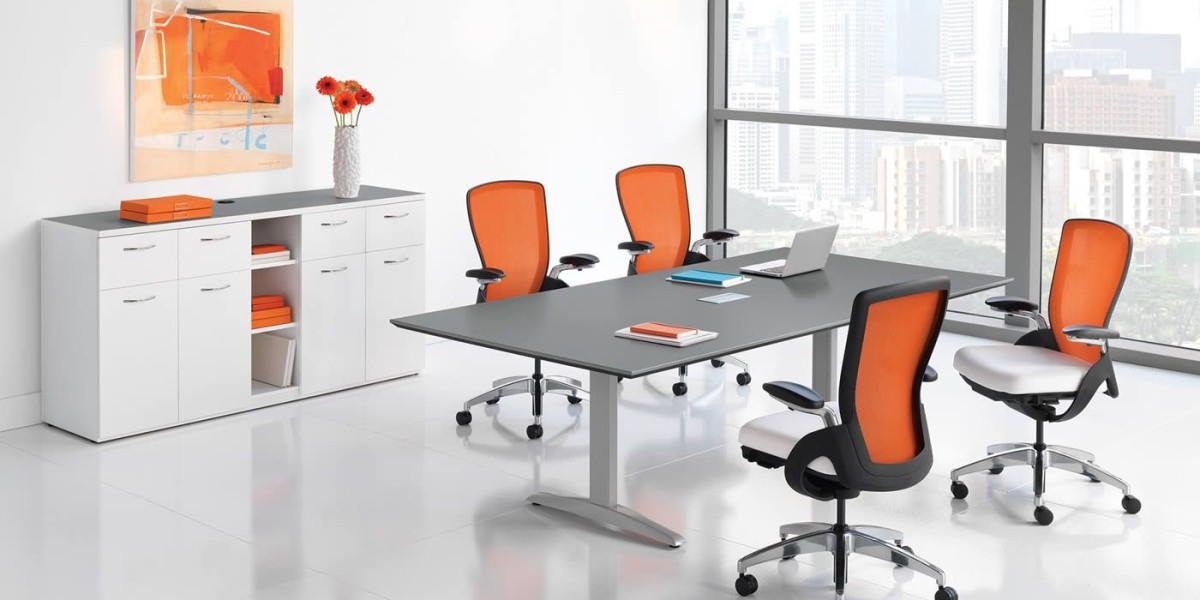

Creating an efficient and comfortable workspace begins with selecting the right office table design. The office table is not just a functional piece of furniture; it sets the tone for productivity, creativity, and overall workplace aesthetics. Whether you run a small home office or manage a large corporate environment, the design, layout, and features of your Office table play a crucial role in supporting daily tasks. Modern professionals are increasingly aware that an intelligently designed office table can enhance ergonomics, reduce strain, and promote a clutter-free workspace.
A thoughtfully chosen Office table design can also reflect your company’s culture and professional identity. For example, sleek, minimalist tables convey a sense of sophistication, while modular designs can emphasize flexibility and adaptability. With the rise of remote working and hybrid office setups, the demand for versatile office tables that can accommodate both focused work and collaborative tasks has grown significantly.
Key Features of Modern Office Table Designs
When exploring Office table designs, several key features stand out. Adjustable height tables, integrated cable management systems, and modular components have become increasingly popular. Adjustable height tables support ergonomics by allowing employees to alternate between sitting and standing positions, reducing fatigue and improving circulation. Similarly, tables with built-in cable management keep wires organized and out of sight, contributing to a clean and professional workspace.
Another critical feature is storage integration. Drawers, shelves, and hidden compartments help maintain a clutter-free environment while keeping essential items within reach. Some modern Office tables also incorporate multifunctional elements, such as extendable surfaces for collaborative work or privacy panels for focused tasks. Selecting a table that balances aesthetics with functionality ensures that it meets the practical demands of daily office life while elevating the overall workspace ambiance.
Materials and Finishes for Office Tables
The material and finish of your Office table design significantly impact durability, appearance, and maintenance. Popular choices include solid wood, engineered wood, metal, and glass. Solid wood tables provide a classic and timeless appeal, offering robustness and longevity. Engineered wood and laminates are cost-effective options that can mimic the look of natural wood while resisting scratches and stains.
Metal and glass tables, on the other hand, often create a contemporary and sleek aesthetic. Metal frames paired with wooden or glass tops offer stability and style, making them suitable for modern office environments. Additionally, finishes such as matte, glossy, or textured surfaces allow you to tailor the Office table to your office’s interior design while minimizing maintenance efforts. Considering both visual appeal and durability ensures that your investment in office furniture remains worthwhile over time.
Ergonomics and Office Table Layout
A well-designed Office table is more than just visually appealing; it should promote comfort and productivity. Ergonomic considerations are essential to prevent strain, improve posture, and reduce the risk of musculoskeletal issues. Tables with adjustable heights, proper leg clearance, and appropriate surface depth can significantly enhance comfort for employees who spend long hours at their desks.
The layout of office tables also affects workflow and collaboration. Open-plan offices may benefit from modular tables that allow flexibility in seating arrangements, while individual workstations can use compact tables optimized for focus and organization. By integrating ergonomic principles into your Office table design, you can create a workspace that supports both physical well-being and professional efficiency.
Trends in Office Table Design
Modern office design trends continue to evolve, emphasizing flexibility, sustainability, and technology integration. One notable trend is the adoption of modular and multifunctional tables. These tables can adapt to changing office needs, allowing for team collaborations, private work, or impromptu meetings. Sustainability has also become a priority, with eco-friendly materials and manufacturing processes gaining popularity among conscious businesses.
Technology integration is another growing trend in office table design. Tables equipped with built-in charging ports, wireless charging pads, or smart connectivity features provide seamless access to devices and enhance workflow efficiency. By embracing these trends, businesses can create modern and future-ready workspaces that meet the evolving expectations of employees and clients alike.
Choosing the Right Office Table for Your Space
Selecting the perfect Office table design involves balancing aesthetics, functionality, and budget. Before making a purchase, it is essential to assess your office space, work requirements, and employee needs. Consider factors such as table size, shape, storage options, and material quality. L-shaped tables, for instance, can maximize corner spaces and provide ample surface area, while rectangular tables may suit open-plan layouts more effectively.
Collaborating with a professional furniture provider or interior designer can help you choose a table that aligns with your office’s overall design theme. By carefully evaluating your options and prioritizing both comfort and practicality, you can ensure that your office tables contribute positively to productivity and employee satisfaction.
Maintaining Your Office Table
Proper maintenance of your Office table ensures its longevity and preserves its visual appeal. Regular cleaning, avoiding excessive moisture, and using appropriate cleaning products for the table’s material are essential. Periodically checking and tightening screws, hinges, or adjustable components can prevent wear and tear and maintain the table’s stability. By investing time in routine care, you protect your office furniture investment and maintain a professional, polished appearance in your workspace.
Conclusion
Incorporating the right Office table design into your workspace can transform both the functionality and aesthetics of your office. From ergonomic features and smart layouts to modern materials and multifunctional capabilities, these tables are central to creating productive and visually appealing work environments. Businesses that invest in well-designed office tables not only enhance employee comfort and efficiency but also reflect a professional and forward-thinking brand image. For offices looking to achieve the perfect balance of style, functionality, and innovation, Modern office table designs offers expertly crafted solutions that meet modern workplace demands.