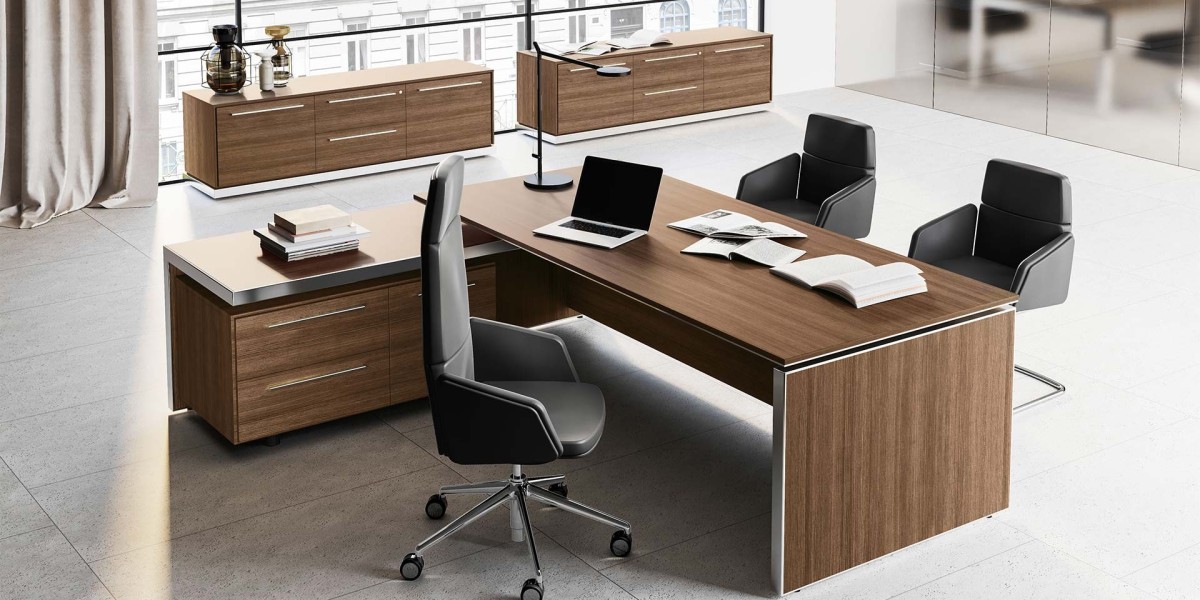

When it comes to creating a productive and comfortable work environment, office furniture plays a pivotal role. From ergonomic chairs that support proper posture to desks designed for efficiency, the right office setup can greatly influence employee satisfaction and performance. Modern workplaces are moving beyond the traditional, uniform layouts and embracing furniture solutions that promote flexibility, creativity, and wellness. Choosing quality office furniture is not just about aesthetics; it’s about ensuring that every piece contributes to a functional, organized, and inspiring workspace. Companies that invest in thoughtfully designed furniture often see improvements in employee engagement, collaboration, and overall productivity.
How Ergonomic Office Furniture Enhances Productivity
Ergonomic office furniture is designed to adapt to the user’s body and movement, reducing strain and fatigue over long work hours. Chairs with adjustable lumbar support, height-adjustable desks, and monitor stands are essential for maintaining proper posture and preventing common workplace injuries. A well-designed ergonomic setup allows employees to focus on their tasks without discomfort or distraction. Beyond health benefits, ergonomics also boosts efficiency: when employees are comfortable, they can concentrate longer and produce higher-quality work. Organizations that prioritize ergonomic furniture demonstrate a commitment to employee well-being, fostering a positive workplace culture that values health and productivity.
Choosing the Right Office Furniture for Different Workspaces
Not all workspaces are the same, which makes selecting appropriate office furniture crucial. Open-plan offices benefit from modular desks and collaborative seating arrangements that encourage teamwork, while private offices may require executive desks and storage solutions for personal efficiency. Meeting rooms and conference areas need furniture that balances comfort with professionalism, often including sleek tables, stackable chairs, and integrated technology options. Even common areas like lounges or breakout spaces can be transformed with stylish seating, coffee tables, and shelving that encourage informal interactions and creative thinking. By matching furniture style and functionality to each workspace, companies can optimize workflow, reduce clutter, and create an inviting environment for both employees and visitors.
Materials and Durability: What to Look For in Office Furniture
When investing in office furniture, material quality and durability should be a top priority. Desks and tables made from solid wood or high-grade metal frames provide long-lasting support, while laminates and veneers can offer stylish designs at a lower cost. Chairs with breathable mesh, padded seating, and sturdy bases ensure comfort and resilience over time. Durability is particularly important in high-traffic areas like reception spaces, communal tables, and collaborative zones. Selecting furniture that withstands daily wear and tear saves organizations from frequent replacements, making it a cost-effective decision in the long run. Quality materials also reflect the company’s image, presenting a professional and polished look that impresses clients and employees alike.
Space Optimization Through Thoughtful Furniture Design
Efficient use of space is a key benefit of modern office furniture. Compact desks with built-in storage, mobile filing cabinets, and multipurpose furniture pieces allow companies to make the most of limited office space without compromising functionality. Open shelving and partition systems can divide areas without creating a closed-off feeling, while flexible seating arrangements allow for quick reconfigurations as teams grow or project needs change. Thoughtful furniture planning improves workflow by ensuring that employees have easy access to essential tools and resources while minimizing clutter. Optimized spaces also create a more welcoming environment, reducing stress and fostering collaboration across departments.
Incorporating Style and Branding in Office Furniture Choices
Beyond functionality, office furniture can be a reflection of a company’s brand identity. Color schemes, material finishes, and furniture styles all communicate a message about the organization’s values and culture. Minimalist designs often convey professionalism and focus, while vibrant colors and creative shapes can promote innovation and energy. Branded furniture, such as custom reception desks, conference tables, or lounge areas, reinforces corporate identity and leaves a lasting impression on visitors. By aligning furniture choices with branding, companies can create a cohesive aesthetic that enhances the overall experience of employees and clients alike.
Sustainability and Eco-Friendly Office Furniture
Sustainable office furniture is becoming increasingly important for businesses that prioritize environmental responsibility. Recycled materials, energy-efficient production, and eco-friendly certifications are now key factors to consider when selecting furniture. Investing in sustainable pieces not only reduces the environmental footprint but also reflects a company’s commitment to corporate social responsibility. Employees often feel more motivated and proud to work in an office that supports green initiatives, and clients may view eco-conscious furniture choices as a sign of ethical business practices. Sustainable office furniture combines style, durability, and environmental care, making it a smart choice for forward-thinking organizations.
Technology Integration in Modern Office Furniture
The integration of technology into office furniture has revolutionized modern workplaces. Desks with built-in charging ports, cable management systems, and adjustable monitor arms help reduce clutter while improving efficiency. Collaborative tables with wireless connectivity support seamless teamwork, while smart storage solutions keep devices and documents organized. By incorporating technology into furniture, companies can enhance workflow, maintain clean and professional environments, and support digital collaboration. Technology-enabled furniture ensures that employees can work smarter, faster, and more comfortably in today’s fast-paced office environment.
Conclusion
Investing in the right office furniture is a strategic decision that impacts productivity, comfort, and the overall image of a business. From ergonomic seating to modular desks, stylish meeting areas to sustainable solutions, each piece contributes to a well-designed and functional workspace. Companies that carefully select furniture tailored to their employees’ needs and workspace requirements create an environment that fosters efficiency, creativity, and satisfaction. For those looking to transform their office into a modern, practical, and inspiring space, trust the expertise and quality solutions offered by office furniture.