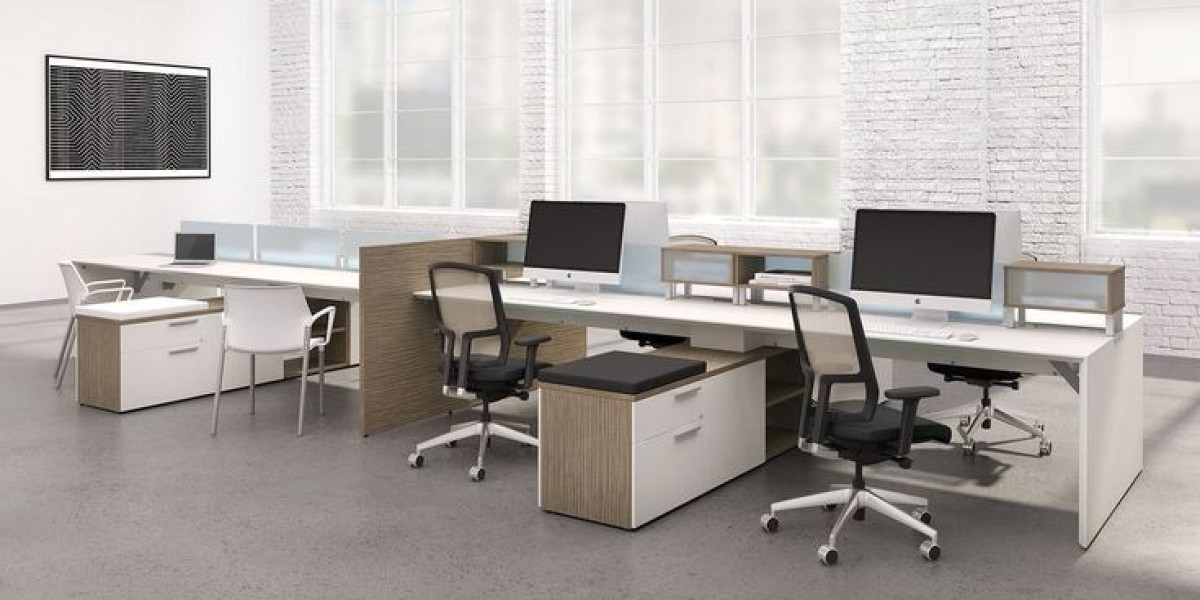

In today’s evolving workplaces, the office table plays a central role in shaping productivity, comfort, and visual appeal, while a free standing table offers flexibility that modern offices increasingly demand. These essential furniture pieces are no longer just flat surfaces to place computers on; they influence posture, workflow efficiency, collaboration, and even employee morale. Selecting the right table solution requires understanding materials, design trends, ergonomic principles, and how different table types support various work styles. A well-chosen table can transform an ordinary workspace into an efficient, inspiring environment that supports both focused work and collaboration.
The Role of Office Tables in Modern Office Design
Office environments have shifted from rigid, uniform layouts to flexible, people-centric spaces. Tables now act as anchors that define how teams interact and how individuals perform daily tasks. A thoughtfully designed office table provides sufficient surface area for computers, documents, and accessories while maintaining a clean and organized look. Beyond functionality, tables contribute to the overall aesthetic of the workspace, reinforcing brand identity and professionalism. Whether in corporate offices, startups, or home offices, the right table design helps create a balanced environment where productivity and comfort coexist naturally.
Understanding Free Standing Tables and Their Versatility
Free standing tables are gaining popularity due to their adaptability and ease of placement. Unlike fixed or built-in furniture, these tables can be moved, rearranged, or repurposed without structural changes. This flexibility is ideal for offices that frequently reconfigure layouts to accommodate team growth or project-based collaboration. Free standing tables work well in shared work areas, meeting rooms, and even executive spaces where mobility and adaptability are priorities. Their independent structure allows designers to experiment with layouts while maintaining a cohesive and functional workspace.
Ergonomics and Comfort: Why Table Design Matters
Ergonomics is a critical factor when choosing any office furniture, especially tables used for long working hours. A properly designed table supports correct posture by allowing comfortable arm placement, adequate legroom, and compatibility with ergonomic chairs. Height, depth, and edge design all influence user comfort. An office table that aligns with ergonomic standards reduces strain on the neck, shoulders, and back, contributing to better health and increased productivity. Free standing tables, when selected thoughtfully, can also be paired with adjustable chairs and accessories to create a personalized ergonomic setup.
Materials and Finishes: Balancing Durability and Style
The materials used in office tables significantly affect durability, maintenance, and visual appeal. Common materials include engineered wood, solid wood, metal frames, and glass tops, each offering distinct advantages. Wooden surfaces provide warmth and a professional feel, while metal frames add strength and a modern touch. Finishes such as laminates or veneers protect the surface and enhance longevity. Choosing high-quality materials ensures that the table withstands daily wear while maintaining its appearance. A well-finished free standing table can seamlessly blend into various office themes, from minimalist to industrial.
Space Planning and Layout Efficiency
Effective space planning is essential to maximize productivity, especially in offices with limited floor area. The size and shape of an office table should align with room dimensions and intended use. Rectangular tables work well for individual workstations, while larger tables support collaborative tasks. Free standing tables offer the advantage of easy repositioning, making them ideal for dynamic work environments. Thoughtful placement ensures smooth movement, reduces clutter, and creates a visually balanced workspace that feels open rather than cramped.
Supporting Collaboration and Individual Focus
Modern offices must balance collaboration with the need for focused, individual work. Tables play a vital role in achieving this balance. Larger tables encourage teamwork, brainstorming, and meetings, while compact office tables support concentration and personal productivity. Free standing tables can be grouped together for collaborative sessions and later separated for individual tasks, offering unmatched flexibility. This adaptability supports diverse work styles and helps organizations create environments that cater to both teamwork and independent work.
Design Trends Influencing Office Tables Today
Current design trends emphasize simplicity, sustainability, and functionality. Clean lines, neutral colors, and minimalistic designs dominate modern office interiors. There is also a growing preference for sustainable materials and eco-friendly manufacturing processes. An office table that aligns with these trends not only looks contemporary but also reflects organizational values. Free standing tables with modular features and adaptable designs are particularly popular, as they support evolving workplace needs without requiring frequent replacements.
Maintenance and Long-Term Value
Investing in quality office furniture is a long-term decision. Tables that are easy to maintain and resistant to damage provide better value over time. Scratch-resistant surfaces, sturdy frames, and moisture-resistant finishes reduce maintenance costs and extend lifespan. A durable office table retains its appearance and functionality even with heavy daily use. Free standing tables, when built with quality materials, can be reused in different spaces, further enhancing their long-term value and sustainability.
Making the Right Choice for Your Workspace
Choosing the right table involves assessing work requirements, available space, and design preferences. It is important to consider how the table will be used daily, who will use it, and how it fits into the overall office layout. A well-chosen office table supports productivity, reflects professionalism, and enhances comfort. Free standing tables add flexibility, making them suitable for modern, adaptable work environments. By focusing on quality, ergonomics, and design harmony, organizations can create workspaces that support both efficiency and well-being.
Conclusion: Investing in the Future of Workspaces
The right free standing table solution is more than a piece of furniture; it is an investment in productivity, comfort, and workplace culture. By carefully selecting designs that balance ergonomics, durability, and aesthetics, businesses can create environments that inspire performance and collaboration. Whether choosing a classic setup or a flexible arrangement, thoughtful decisions lead to long-term benefits. With smart planning and quality choices, brands like office table demonstrate how functional design can support modern workspaces and evolving professional needs.










