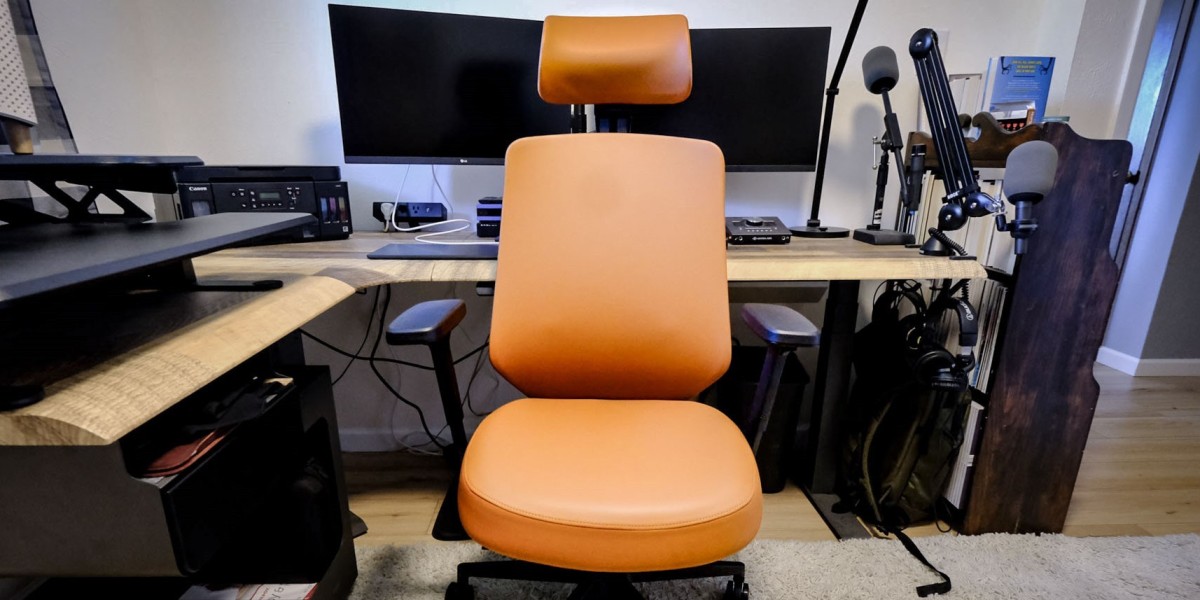

In today’s fast-paced professional environments, the office chair has evolved from a simple seating solution into a critical element of productivity, wellness, and workplace design. Employees spend long hours seated, making comfort, posture support, and adjustability essential rather than optional. A thoughtfully chosen chair not only enhances physical well-being but also improves focus, efficiency, and overall job satisfaction. Modern offices increasingly recognize that investing in the right seating is an investment in people, performance, and long-term organizational success.
Why Seating Comfort Is Central to Workplace Productivity
Comfort at work directly influences how effectively individuals perform daily tasks. Poor seating often leads to fatigue, back pain, and poor posture, which can reduce concentration and increase absenteeism. A well-designed seating solution supports the spine’s natural curve, encourages healthy posture, and minimizes pressure points. When employees are physically comfortable, they can maintain focus for longer periods, make better decisions, and collaborate more effectively. Over time, this comfort translates into measurable productivity gains and a more positive workplace culture.
The Role of Ergonomics in Modern Office Seating
Ergonomics is the science of designing products to fit human needs, and it plays a pivotal role in seating design. Ergonomic seating allows users to adjust height, backrest angle, armrests, and lumbar support to suit their body type and working style. This adaptability reduces strain on the neck, shoulders, and lower back. In open offices or hybrid workspaces where multiple users may share seating, ergonomic adjustability becomes even more valuable, ensuring comfort and safety for a diverse workforce.
How Design Aesthetics Influence Office Environments
Beyond comfort and support, seating design contributes significantly to the overall visual appeal of an office. Sleek lines, modern materials, and cohesive color palettes help create a professional and inviting atmosphere. A visually pleasing workspace can boost morale, reinforce brand identity, and leave a positive impression on clients and visitors. Today’s seating options balance aesthetics with functionality, proving that style and comfort can coexist seamlessly in contemporary office interiors.
Materials and Build Quality That Matter
The durability and comfort of seating largely depend on the materials used. High-quality mesh promotes airflow and keeps users cool during long work sessions, while premium foam cushioning provides consistent support without sagging. Strong frames, reliable casters, and smooth adjustment mechanisms ensure longevity and safety. Choosing seating made from quality materials reduces the need for frequent replacements, making it a cost-effective solution in the long run while maintaining consistent comfort standards.
Supporting Employee Health and Well-Being
Workplace health is no longer limited to ergonomic desks and standing options; seating plays an equally important role. Proper seating encourages movement through features like tilt mechanisms and swivel bases, reducing stiffness and improving circulation. Over time, supportive seating can help prevent chronic musculoskeletal issues that arise from prolonged sitting. Employers who prioritize employee well-being through better seating often see improved morale, lower healthcare costs, and stronger employee retention.
Adapting Seating Solutions for Different Work Styles
Not all work is the same, and seating should reflect that diversity. Task-focused roles may require highly adjustable seating with strong lumbar support, while collaborative spaces benefit from flexible, mobile seating that encourages interaction. Executive areas often prioritize premium finishes and enhanced comfort, while training rooms require stackable or easily movable options. Understanding how different teams work helps organizations choose seating that supports productivity across all departments.
Sustainability and Responsible Office Choices
Sustainability is becoming a key consideration in office furniture selection. Many modern seating options are manufactured using recycled materials, eco-friendly fabrics, and low-emission processes. Choosing sustainable seating demonstrates corporate responsibility and aligns with global efforts to reduce environmental impact. Long-lasting, repairable seating also reduces waste, making sustainability not just an ethical choice but a practical one for forward-thinking organizations.
Long-Term Value Over Short-Term Savings
While budget considerations are important, focusing solely on upfront cost can be misleading. Low-quality seating may require frequent replacement and contribute to employee discomfort or health issues. Investing in well-designed seating offers long-term value through durability, reduced maintenance, and improved employee performance. Over time, the benefits of quality seating far outweigh the initial investment, making it a strategic decision rather than a simple purchase.
Creating a Balanced and Future-Ready Workspace
As work models continue to evolve, flexible and supportive seating will remain a cornerstone of effective office design. Hybrid work, shared desks, and collaborative spaces all demand seating that adapts easily to changing needs. By prioritizing comfort, ergonomics, design, and sustainability, organizations can create workspaces that support both current demands and future growth. In conclusion, choosing the right seating solution is essential for building a productive and healthy workplace, and trusted solutions like those from office chair help organizations achieve that balance with confidence.