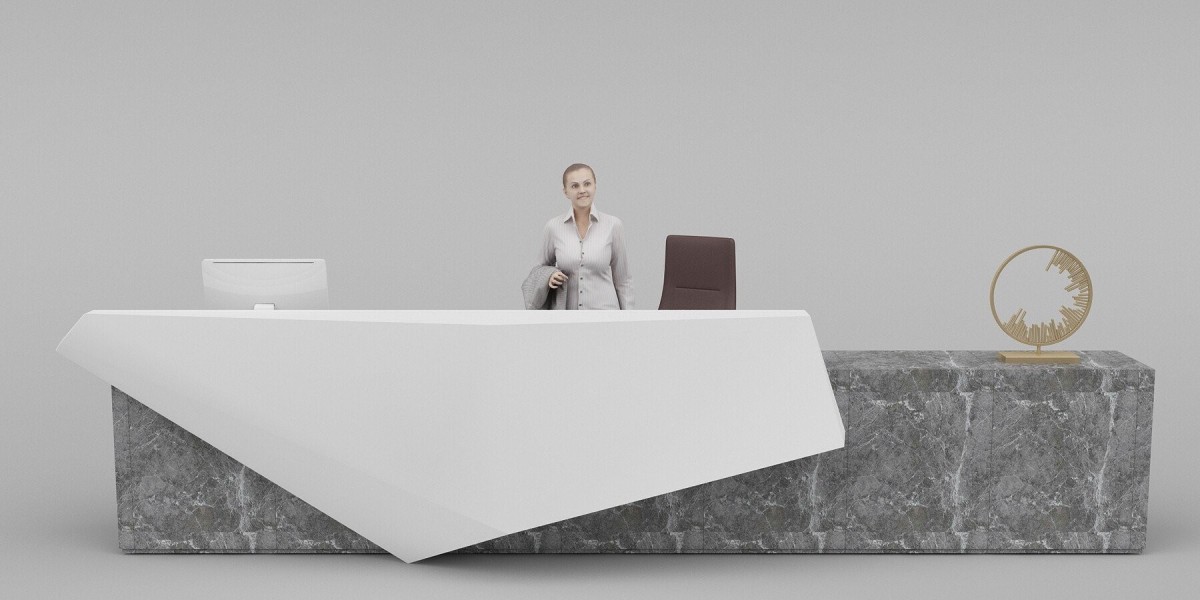

A well-thought-out reception table design can dramatically impact the first impression of any office or commercial space. The reception area is more than just a waiting area; it is the face of your business, representing professionalism, style, and comfort. Choosing the right reception table is crucial because it not only serves as a functional workspace for front-desk staff but also conveys the brand identity and ethos to visitors. Modern businesses increasingly prioritize aesthetics alongside utility, making innovative reception table designs an essential aspect of office interiors. From minimalist setups to luxurious statement pieces, the variety of reception table designs available today ensures that every office can reflect its personality while remaining practical.
Key Elements to Consider in Reception Table Design
When planning a reception table design, functionality must go hand-in-hand with aesthetics. One of the primary factors to consider is the size and shape of the desk. Rectangular tables are popular for their simplicity and efficiency, while curved or angular designs can add a touch of elegance and modernity. Material choice is another critical aspect; wood, metal, glass, and composite materials each offer a different look and feel. Wood brings warmth and a timeless appeal, metal provides a sleek, contemporary finish, and glass surfaces create a sense of openness and sophistication. Additionally, storage solutions such as drawers, shelves, and cabinets should be integrated seamlessly into the design to ensure the workspace remains clutter-free.
Innovative Styles in Reception Table Design
Modern reception table designs are no longer limited to standard shapes and sizes. Designers are increasingly experimenting with modular tables, allowing offices to customize the layout according to their needs. This flexibility is especially useful for co-working spaces or businesses that anticipate growth. Other trends include ergonomic designs that prioritize staff comfort, integrated technology for computers and phones, and statement lighting features that enhance the overall ambiance. Reception tables with hidden storage, cable management systems, and multi-level surfaces are becoming more common, reflecting the demand for both style and practicality.
Materials and Finishes That Elevate Reception Table Design
The choice of materials plays a pivotal role in defining the overall look of your reception table design. High-quality wood varieties like oak, walnut, and maple exude elegance and durability, making them ideal for premium office spaces. Laminates and veneers offer a budget-friendly alternative without compromising on style, while polished metal finishes lend a modern and industrial touch. Glass tables, often combined with wood or metal bases, can make small reception areas appear more spacious and bright. Matte finishes create a contemporary and understated look, whereas glossy surfaces add a sense of luxury. Additionally, combining materials—such as a wooden top with metal legs—can produce striking designs that are both functional and visually appealing.
Color Choices and Their Impact on Reception Table Design
Color selection is another critical consideration in reception table design. Neutral colors like white, black, and gray remain timeless, fitting seamlessly into any décor style while promoting a professional atmosphere. For a warmer and more inviting feel, wooden tones or earthy hues are excellent choices. Vibrant colors can be used strategically as accents to convey creativity and energy, especially in creative industries or startups. Matching the reception table color with the overall office theme ensures a cohesive look and enhances brand identity. Subtle contrasts, such as a dark desk paired with lighter walls or flooring, can also create a sophisticated and balanced visual effect.
Integrating Technology into Reception Table Design
In today’s fast-paced work environment, reception tables are no longer just desks—they are hubs of communication and productivity. Many modern designs incorporate integrated technology such as charging stations, cable organizers, touchscreen panels, and built-in displays for visitor check-ins. This integration not only keeps the area tidy but also streamlines operations, allowing reception staff to manage tasks efficiently. Reception table designs that embrace technology are particularly valuable for offices that aim to project a tech-savvy and forward-thinking image.
Customization and Branding in Reception Table Design
A custom reception table design allows businesses to incorporate unique elements that reflect their brand identity. Logos can be subtly engraved or embedded on the desk surface, while specific shapes and finishes can align with the company’s color scheme and interior style. Customization ensures that the reception area is memorable and leaves a lasting impression on visitors. From bespoke shapes to personalized storage solutions, custom reception tables combine functionality with brand storytelling, turning a simple desk into a centerpiece that communicates professionalism and attention to detail.
Space Optimization with Reception Table Design
Optimizing space is a significant consideration in any office layout, and reception tables play a key role. Compact designs are ideal for small offices, ensuring that reception areas remain functional without feeling cramped. Multi-functional reception tables with shelves, hidden storage, or modular components allow businesses to make the most of limited spaces. Additionally, strategic placement and thoughtful design can enhance traffic flow and create a welcoming environment for visitors. Whether your office is a cozy startup or a large corporate facility, an intelligently designed reception table ensures maximum usability and a smooth operational workflow.
Maintenance Tips for Longevity in Reception Table Design
To maintain the elegance and durability of a reception table design, regular care and maintenance are essential. Wood surfaces may require polishing and cleaning with non-abrasive products, while glass tops should be wiped with soft cloths to prevent scratches. Metal components benefit from periodic dusting and anti-corrosion treatments if necessary. Proper maintenance ensures that the reception table continues to look appealing and functions efficiently for years, protecting your investment and maintaining a professional appearance for your office.
Choosing the Right Reception Table Design for Your Office
Selecting the ideal reception table design requires balancing aesthetics, functionality, and budget. Consider your office layout, the volume of daily visitors, and the type of tasks performed at the reception desk. A visually striking table may enhance your brand image, but it should also accommodate all operational needs efficiently. Consulting with interior designers or furniture specialists can provide valuable insights into the best designs that align with your office style and practical requirements. By investing in a well-designed reception table, businesses create a welcoming atmosphere that impresses clients, supports staff, and elevates the overall workspace experience.
Conclusion
A thoughtfully planned reception table design is more than just a desk—it is a statement of professionalism, style, and functionality. Modern offices can benefit immensely from designs that combine aesthetics, ergonomics, and technology, ensuring that the reception area leaves a lasting impression on every visitor. From material choices and color schemes to space optimization and custom branding, every detail contributes to the overall experience. Businesses looking to elevate their office interiors can rely on quality solutions from Office furniture, offering reception table designs that are practical, stylish, and tailored to meet diverse needs.