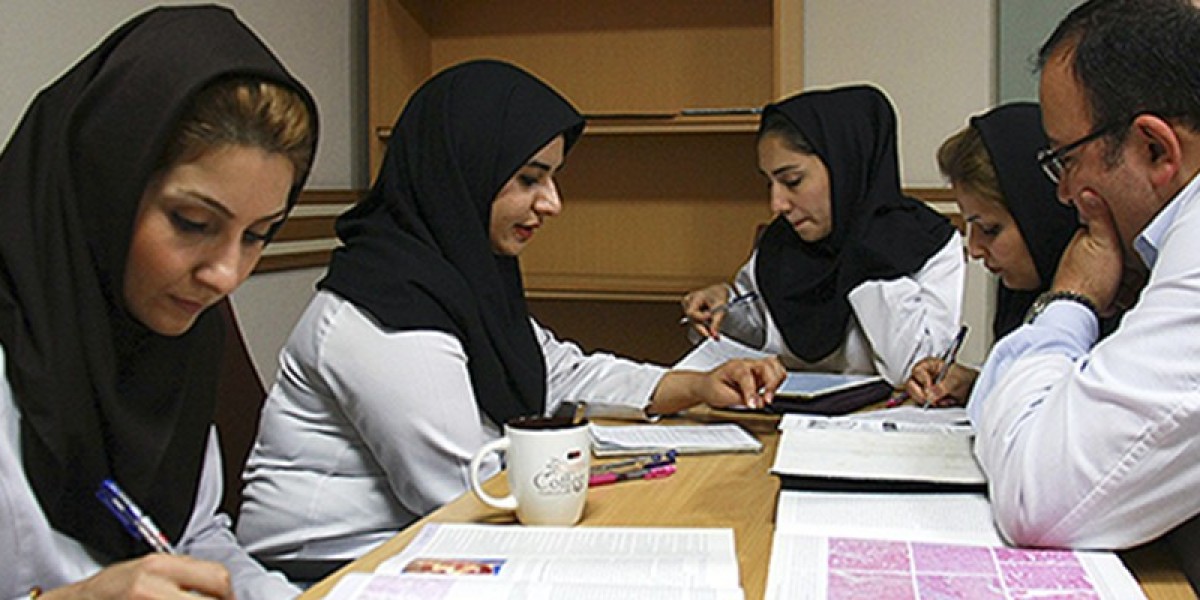

Pursuing an MBBS in Uzbekistan for medical aspirants has become a structured and dependable route for students who want to move from admission to medical practice through a clear, regulated, and internationally aligned education system. Uzbekistan’s medical universities offer a step-by-step academic journey that focuses not only on theoretical knowledge but also on clinical competence, professional ethics, and global medical standards.
Introduction: A Clear Medical Education Pathway in Uzbekistan
For many medical aspirants, the biggest concern while choosing an overseas destination is uncertainty. Questions about admission procedures, teaching quality, degree recognition, and career outcomes often influence the final decision. Uzbekistan stands out because it offers a transparent and well-defined MBBS education framework that takes students smoothly from enrollment to professional medical practice.
With government-regulated universities, standardized curricula, and growing international acceptance, Uzbekistan has positioned itself as a reliable medical education destination.
Admission Process: Simple, Transparent, and Merit-Based
The admission process for MBBS in Uzbekistan is comparatively straightforward, especially when contrasted with the highly competitive system in India. Medical universities do not conduct separate entrance examinations for international students, which reduces unnecessary pressure and delays.
Indian students must generally meet the following requirements:
Completion of 10+2 with Physics, Chemistry, and Biology
Minimum qualifying marks as per National Medical Commission guidelines
A valid NEET qualification
Proper documentation including academic transcripts and passport
Once eligibility is confirmed, students receive admission letters directly from universities, making the process transparent and student-friendly.
Structure of the MBBS Program in Uzbekistan
The MBBS course in Uzbekistan is typically of six years, including academic learning and clinical internship. The program is carefully divided to ensure gradual development from foundational sciences to advanced clinical skills.
The early years focus on subjects such as anatomy, physiology, biochemistry, pathology, microbiology, and pharmacology. These subjects are taught using a combination of lectures, laboratory sessions, and case-based discussions. As students progress, the curriculum shifts toward clinical disciplines such as medicine, surgery, pediatrics, obstetrics and gynecology, and community medicine.
This structured progression helps students build strong conceptual clarity before entering real hospital environments.
Medium of Instruction and Academic Support
One of the major advantages for international students is that MBBS programs are offered in English medium. This ensures that students can understand complex medical concepts without language barriers and perform well academically.
In addition to English instruction, universities provide basic local language training. This helps students communicate effectively with patients during clinical rotations and improves their practical learning experience. Academic support systems, including mentoring, doubt-clearing sessions, and internal assessments, further assist students throughout the course.
Clinical Training and Hospital Exposure
Clinical exposure is a crucial part of medical education, and Uzbekistan’s medical universities place strong emphasis on hands-on training. Students are attached to government and teaching hospitals that see a diverse patient population.
During clinical years, students:
Participate in ward rounds
Observe and assist in medical procedures
Learn patient history-taking and diagnosis
Develop communication and ethical skills
This real-world exposure prepares students for independent medical practice and future licensing examinations.
Infrastructure and Learning Environment
Medical universities in Uzbekistan are equipped with modern infrastructure that supports effective learning. Facilities typically include:
Advanced laboratories and dissection halls
Simulation centers for clinical skills
Digital libraries and research resources
On-campus or nearby hostel accommodations
The learning environment is disciplined yet supportive, encouraging students to maintain academic focus while adapting to a professional medical culture.
Safety, Living Conditions, and Student Life
Uzbekistan is widely regarded as a safe and peaceful country for international students. Cities hosting medical universities offer affordable living options, well-connected transportation systems, and access to daily necessities.
Indian students often find comfort in:
Low cost of living compared to many countries
Availability of Indian food and groceries
A growing Indian and international student community
University support offices for foreign students
These factors contribute to a stable and stress-free student life, allowing learners to focus on their studies.
Degree Recognition and Licensing Pathways
Recognition of the medical degree is one of the most critical aspects for aspiring doctors. Medical universities in Uzbekistan are recognized by the National Medical Commission of India and listed in the World Directory of Medical Schools.
After graduation, students can:
Return to India and appear for FMGE or NEXT
Apply for postgraduate studies in India or abroad
Prepare for licensing exams such as PLAB or USMLE
The curriculum alignment with global medical standards makes Uzbek graduates competitive in multiple healthcare systems.
Transition from Graduation to Medical Practice
The final year of MBBS in Uzbekistan includes mandatory clinical internship, which strengthens practical skills and professional confidence. Students learn to manage patients, work in healthcare teams, and apply medical ethics in real-life situations.
This internship acts as a bridge between academic learning and independent practice, ensuring graduates are not only knowledgeable but also clinically competent.
Career Opportunities After MBBS in Uzbekistan
Graduates from Uzbekistan’s medical universities have diverse career options. Many choose to practice in India after clearing the required licensing exam, while others pursue specialization or research opportunities abroad. Some graduates also explore opportunities in countries where Uzbek medical degrees are accepted, depending on local regulations.
The international exposure, structured education, and clinical experience give graduates a competitive edge in the global medical field.
Conclusion
From admission to professional practice, MBBS education in Uzbekistan follows a clear, regulated, and student-oriented pathway. With transparent admissions, English-medium instruction, strong clinical exposure, recognized degrees, and affordable education, Uzbekistan offers a complete medical education journey for aspiring doctors. For medical aspirants seeking clarity, stability, and long-term career potential, Uzbekistan stands as a dependable and practical destination for pursuing MBBS abroad.