Hair loss affects millions worldwide, turning heads and confidence upside down. Whether it's genetic balding, stress, or medical conditions, finding the right restoration method feels like a quest for the holy grail. This blog dives deep into Hair Transplant Clinics in Riyadh(عيادات زراعة الشعر في الرياض) versus other popular hair restoration options, helping you weigh pros, cons, and real-world results. Imagine waking up with a fuller head of hair that looks utterly natural— that's the promise we're exploring today.
From non-surgical quick fixes to permanent surgical solutions, the choices overwhelm. We'll break it down simply, so you can decide what's best for your lifestyle and budget. Stick around; by the end, you'll have clarity on transforming thinning strands into a lush mane.
Understanding Hair Transplant Basics
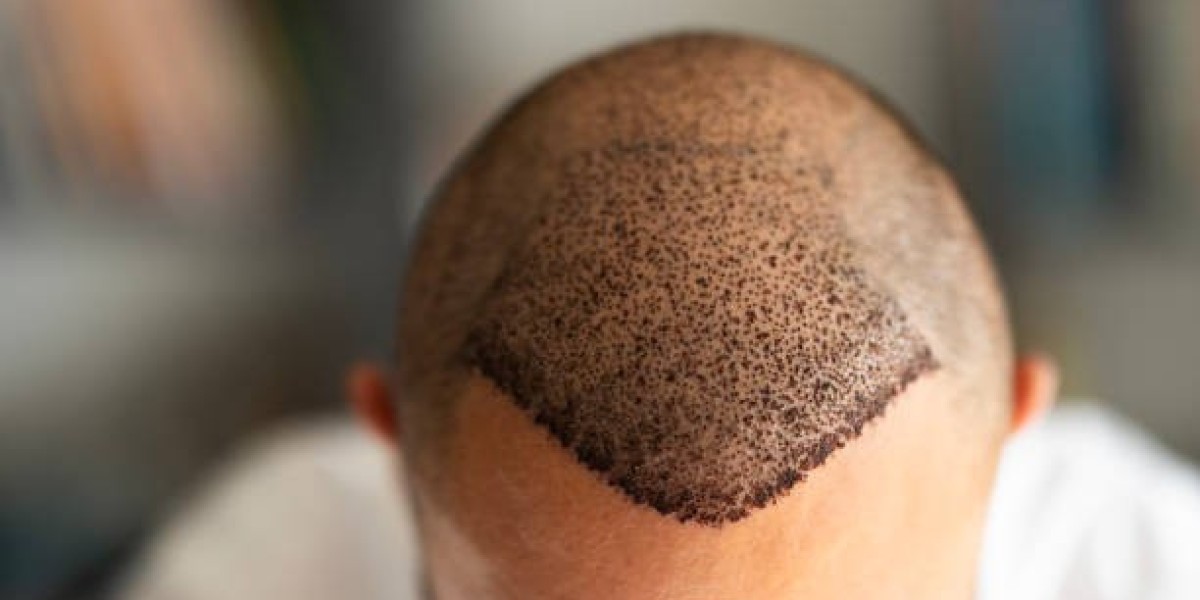
Hair transplant involves surgically moving healthy hair follicles from a donor area (usually the back of the head) to balding spots. Techniques like Follicular Unit Extraction (FUE) or Follicular Unit Transplantation (FUT) ensure precision, with follicles growing naturally post-procedure. It's like relocating a thriving garden to a barren patch—permanent and low-maintenance.
In bustling cities, hair transplant in Riyadh stands out for its advanced clinics blending global expertise with local care. Patients rave about seamless results tailored to diverse hair types. This method shines for those seeking lasting fullness without daily gimmicks.
What sets it apart? No synthetic additions; it's your own hair, resisting future loss. Recovery typically spans days to weeks, with visible growth in months. Engaging fact: Celebrities worldwide swear by it for that effortless, camera-ready look.
Non-Surgical Hair Restoration Options
Before jumping to surgery, consider gentler alternatives. Medications like minoxidil (Rogaine) and finasteride (Propecia) top the list. Minoxidil, a topical foam, widens blood vessels to boost follicle nutrition—apply twice daily for thicker hair over months. Finasteride pills block DHT hormones fueling male pattern baldness, slowing progression effectively.
Yet, consistency is key; stop, and gains fade. Side effects? Rare scalp irritation or libido dips, but millions tolerate them well. Picture this: A daily ritual turning sparse crowns lush, minus the scalpel.
PRP Therapy: The Natural Booster
Platelet-Rich Plasma (PRP) therapy draws your blood, spins it to concentrate growth factors, then injects into the scalp. It's like supercharging dormant follicles with their own healing elixir. Sessions every 4-6 weeks initially yield thicker, stronger hair—ideal for early thinning.
No downtime, just mild redness. Studies show 30-40% density improvement, but it's maintenance-heavy. Fun twist: Athletes love PRP for its regenerative fame beyond hair, like healing tendons. Engaging for busy folks wanting subtle, natural enhancement without commitment.
Low-Level Laser Therapy (LLLT)
Enter Low-Level Laser Therapy, or LLLT—helmets, combs, or caps emitting red light to stimulate follicles. NASA tech origins make it sci-fi cool, penetrating skin to energize cells and extend hair growth phases. Use 3-4 times weekly for 20 minutes; results appear in 3-6 months.
Portable and painless, it's perfect for home use. Evidence? FDA-cleared devices boost density by 20-30%. Imagine gaming while regrowing hair—multitasking at its finest!
Scalp Micropigmentation: Tattoo Illusion
Scalp Micropigmentation (SMP) dots ink on the scalp, mimicking shaven hair follicles for a buzz-cut vibe. No growth involved; it's cosmetic artistry. Sessions build density illusion over days, lasting years with touch-ups.
Buzzworthy for its instant gratification—zero wait for results. Suits those embracing short styles or bridging transplant gaps. Pro: Waterproof, sun-resistant. Con: Fades over time, needing upkeep.
Hairpieces and Wigs: Quick Confidence Lift
Traditional yet evolving, hairpieces, wigs, and toupees offer immediate coverage. Modern ones use lace fronts and breathable materials, blending seamlessly. Custom fits match your hairline perfectly, removable nightly.
Ventilation techniques make them lightweight—dance, swim, sweat without worry. Lifelike strands sway naturally. Downside? Glue or clips irritate some scalps; heat damages synthetics. Still, a vibrant choice for event-ready looks overnight.
Comparing Effectiveness and Longevity
Hair transplant in Riyadh wins for permanence—transplanted follicles thrive lifelong, DHT-resistant. Non-surgical options like PRP or meds manage progression but halt if discontinued. LLLT and SMP provide illusion or stimulation, not new growth.
Data speaks: Transplants yield 90%+ graft survival; meds slow loss by 60-70%. Longevity? Surgery: Decades. Others: Ongoing effort. Choose based on stage—early? Try non-invasive. Advanced? Go surgical.
| Method | Effectiveness | Longevity | Downtime |
|---|---|---|---|
| Hair Transplant | High (Permanent growth) | Lifelong | 1-2 weeks |
| Minoxidil/Finasteride | Moderate (Slows loss) | Ongoing use | None |
| PRP | Moderate (Density boost) | Maintenance | Minimal |
| LLLT | Low-Moderate | Ongoing | None |
| SMP | High (Visual density) | 3-5 years | None |
| Hairpieces | High (Instant coverage) | Variable | None |
This table highlights why transplants edge out for committed results.
Pros and Cons Breakdown
Hair transplants excel in naturalness and one-time investment, but require healing. Non-surgicals offer flexibility—no scars—yet demand patience. PRP invigorates without cuts; wigs dazzle instantly but conceal rather than restore.
Engaging angle: Transplants feel empowering, owning your hair story. Others suit trial phases or non-candidates. Weigh lifestyle—active? Avoid high-maintenance. Vanity-driven? SMP's edgy appeal shines.
Ideal Candidates and Realistic Expectations
Prime transplant candidates: Stable hair loss, good donor supply, aged 25+. Non-surgical fits fluctuating patterns or youth. Expectations matter—transplants aren't miracles but transformative realism. Growth phases mimic natural cycles: Shedding first, then booming.
Setbacks? Rare infections or unevenness, minimized by expertise. Others risk dependency. True story: A 40-year-old exec regained youth via transplant, ditching hats forever—inspiring!
Lifestyle Impact and Maintenance
Post-transplant, enjoy styling freedom; meds need daily devotion. Wigs empower style swaps; PRP sessions fit spa days. Maintenance varies—transplants: Gentle shampoos. All enhance confidence, boosting social vibes and career edges.
Vivid scenario: Strut beaches bald-free or laser-helmet your Netflix nights. Pick what aligns with your rhythm.
Ready to take the next step? Book an appointment consultation clinic like 'Enfield Royal Riyadh(إنفيلد رويال الرياض)' for personalized advice tailored to your hair goals.
FAQs
? What makes hair transplant different from PRP therapy?
Hair transplant relocates live follicles for permanent growth, while PRP injects plasma to stimulate existing ones—great combo for max results.
? How long do non-surgical options like minoxidil last?
They work only during use; stopping reverses benefits, unlike transplants' lifelong outcomes.
? Is scalp micropigmentation a true hair restoration?
No, it's a cosmetic tattoo simulating follicles—ideal for shaved looks, not actual growth.
⚡ Can laser therapy replace hair transplant?
LLLT supports mild cases but lacks permanence; transplants suit advanced balding better.
? What's the success rate of hair transplant in Riyadh?
Typically 90-95% graft survival with skilled techniques, delivering natural, dense results.