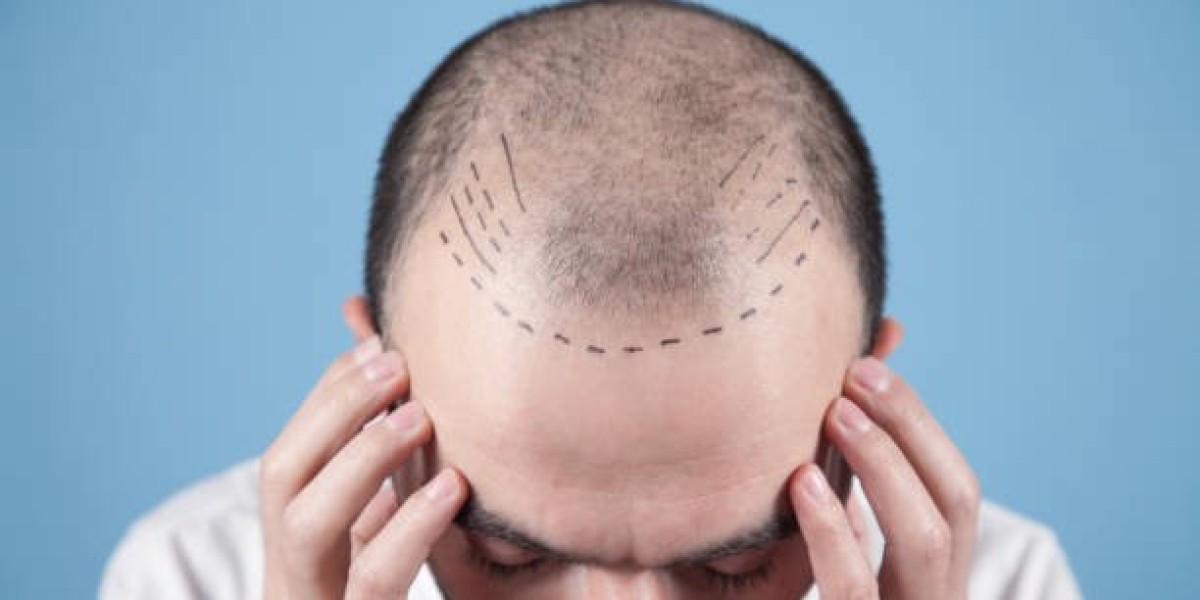

Hair transplant results can be significantly enhanced with supportive therapies, and microneedling is one of the most effective techniques to boost hair density. hair transplant riyadh combined with microneedling can stimulate scalp circulation, improve graft survival, and accelerate hair growth. This guide explores how microneedling works, its benefits, and post-treatment care for optimal results.
Understanding Microneedling
What Is Microneedling?
Microneedling is a minimally invasive procedure that uses fine needles to create tiny punctures in the scalp. These micro-injuries trigger the body’s natural healing response, stimulating collagen production and improving blood flow to hair follicles.
How It Supports Hair Transplants
Microneedling enhances nutrient delivery to transplanted follicles and encourages dormant hair follicles to reactivate, resulting in denser, thicker hair growth over time.
Benefits of Microneedling Post Hair Transplant
Increased Hair Density
Microneedling promotes follicle stimulation, allowing Hair Transplant in Riyadh patients to achieve fuller and more uniform hair coverage.
Faster Recovery
Improved blood circulation from microneedling accelerates healing of transplanted grafts, reducing redness and promoting faster scalp recovery.
Strengthened Hair Growth
The procedure not only increases density but also improves the strength and quality of newly growing hair, resulting in natural-looking, resilient strands.
Minimal Downtime
Microneedling is gentle, non-surgical, and can be performed alongside other post-transplant treatments with minimal disruption to daily life.
How Microneedling Is Performed
Session Frequency
Clinics usually recommend microneedling sessions 2–3 times per month after the initial hair transplant, depending on the patient’s scalp condition and hair growth goals.
Procedure Steps
Cleanse the scalp to remove oils and impurities
Use a microneedling device over transplant areas
Apply recommended growth serums to enhance results
Follow up with scalp soothing creams as advised by the surgeon
Proper technique ensures optimal results while protecting transplanted grafts.
Combining Microneedling With Other Treatments
Microneedling can be used with:
PRP (Platelet-Rich Plasma) therapy
Nutritional supplements supporting hair growth
Topical solutions recommended post-transplant
This combined approach maximizes the benefits of microneedling for hair transplant density and ensures healthy, long-lasting hair growth.
Choosing the Right Clinic
Selecting a skilled clinic is crucial for effective microneedling. Look for:
Experienced surgeons and trained technicians
Advanced microneedling equipment
Customized post-transplant care and follow-up
Clinics like Royal Clinic Saudia provide professional microneedling sessions tailored to hair transplant patients, ensuring dense, natural results.
Book Your Consultation Today
If you want to boost the density of your hair transplant in Riyadh, schedule a consultation with Royal Clinic Saudia. Their expert team offers microneedling sessions combined with personalized care to help you achieve fuller, thicker, and natural-looking hair.
FAQs:
Is microneedling safe after a hair transplant?
Yes, when performed by trained professionals and following post-transplant guidelines, microneedling is safe and effective.
When should I start microneedling after a hair transplant?
Typically, microneedling can begin 2–3 weeks after the procedure, once initial healing has occurred.
How long does it take to see results?
Most patients notice increased hair density and improved growth within 3–4 months of consistent sessions.
Can microneedling be combined with other treatments?
Yes, it works well with PRP, topical solutions, and nutritional support to maximize hair density and quality.