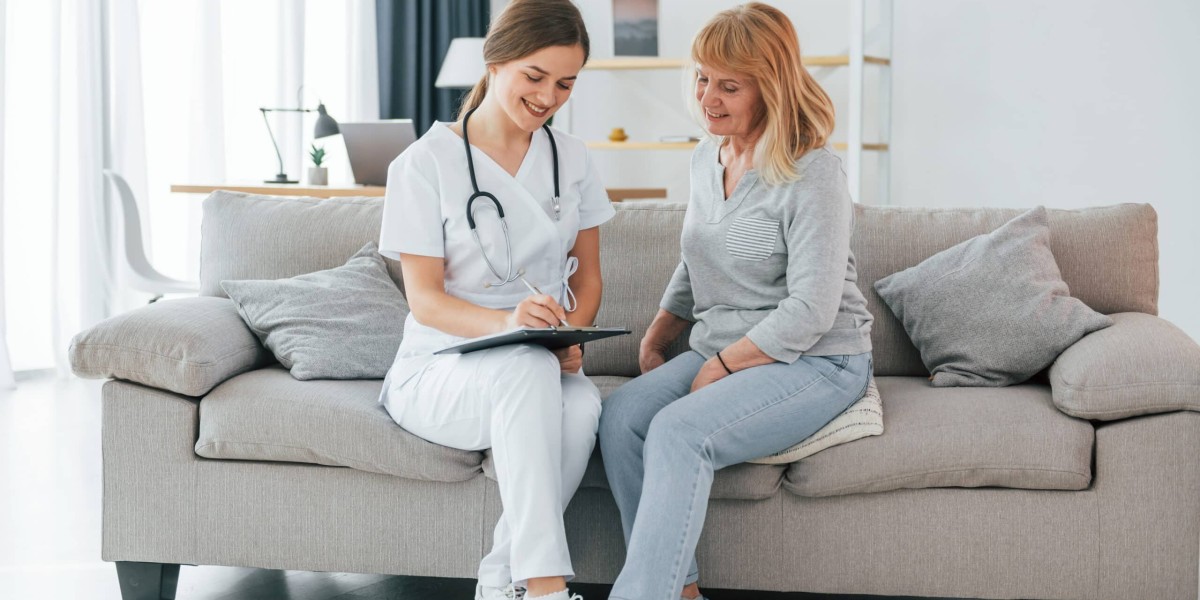

Effective healthcare often relies on seamless communication between different medical providers. A home visit doctor Dubai plays a crucial role in bridging the gap between home-based care and your primary physician. By coordinating closely, they ensure continuity of care, accurate monitoring, and timely interventions, ultimately enhancing patient outcomes and reducing the risk of complications.
Initial Communication and Health Record Sharing:
Coordination begins with sharing detailed medical histories and current health information between the home healthcare doctor and the primary physician. This ensures both parties have a complete understanding of the patient’s needs. Key steps include:
Reviewing medical records, lab results, and imaging reports
Updating the primary physician on home assessments and findings
Sharing information about current medications and allergies
Establishing communication preferences for ongoing updates
Collaborative Care Planning:
A home visit doctor works alongside the primary physician to develop a care plan tailored to the patient’s condition and goals. Collaborative planning ensures that treatments are consistent and effective. Care planning includes:
Setting realistic health objectives and milestones
Coordinating medications, therapies, and interventions
Identifying potential risks and preventive measures
Aligning schedules for follow-ups and routine check-ins
Medication Management and Reconciliation:
Patients often take multiple medications, making coordination vital to prevent errors or interactions. Home healthcare doctors monitor medication usage and communicate changes with the primary physician. Medication management includes:
Tracking adherence and effectiveness of prescriptions
Notifying the primary physician of side effects or complications
Adjusting dosages in consultation with the physician
Educating patients and caregivers on correct administration
Monitoring and Reporting Health Changes:
Continuous monitoring allows home healthcare doctors to detect early warning signs and share them promptly with the primary physician. This proactive approach improves patient safety. Monitoring activities include:
Recording vital signs, symptoms, and behavioral changes
Reporting deterioration or unexpected reactions
Providing objective data for treatment adjustments
Facilitating early interventions to avoid hospitalizations
Coordinating Specialist Referrals:
Some patients require specialized care beyond what home-based services can provide. Home visit doctors collaborate with the primary physician to coordinate referrals and ensure timely access to specialists. Referral coordination includes:
Identifying when specialist care is necessary
Sharing detailed patient information to support consultations
Scheduling appointments and follow-ups
Tracking specialist recommendations and integrating them into care plans
Lab Tests and Diagnostic Follow-Up:
Home healthcare doctors often arrange for lab tests or diagnostic procedures and relay results to the primary physician. This ensures that all test outcomes inform ongoing treatment. Diagnostic coordination includes:
Collecting samples during home visits or arranging lab appointments
Sending results to the primary physician in a timely manner
Discussing abnormal findings and potential interventions
Adjusting care plans based on diagnostic outcomes
Emergency Communication and Rapid Response:
In urgent situations, coordination between a home visit doctor and the primary physician is essential for quick decision-making. This reduces response time and ensures appropriate care. Emergency strategies include:
Immediate reporting of severe symptoms or falls
Providing detailed patient status updates
Collaborating on treatment decisions or hospital referrals
Keeping family members informed while ensuring professional guidance
Education and Family Guidance:
Coordination extends to educating families and caregivers, ensuring they understand the care plan prescribed by the primary physician. This fosters compliance and continuity of care. Education efforts include:
Explaining medication schedules and lifestyle recommendations
Teaching monitoring techniques for vital signs and symptoms
Providing instructions for emergency preparedness
Reinforcing the importance of following the primary physician’s advice
Continuity During Transitions of Care:
Transitions between hospital, clinic, and home settings can pose risks if communication is poor. Home visit doctors help maintain continuity by coordinating with the primary physician throughout these transitions. Transition support includes:
Sharing discharge summaries and treatment instructions
Monitoring post-hospital recovery at home
Updating the primary physician on progress and complications
Ensuring seamless integration of new therapies or medications
Enhancing Overall Patient Outcomes:
The ultimate goal of coordination is to improve patient health outcomes by ensuring care is consistent, comprehensive, and responsive. Effective collaboration reduces errors, hospitalizations, and treatment gaps. Outcome benefits include:
Better management of chronic conditions
Improved recovery from acute illnesses or surgeries
Increased patient confidence and satisfaction
Stronger adherence to treatment plans
Technology and Communication Tools:
Modern communication technologies enhance the collaboration between home healthcare doctors and primary physicians. Digital tools streamline information sharing and monitoring. Technology benefits include:
Secure messaging and telehealth consultations
Electronic health record integration
Remote monitoring and real-time data sharing
Timely notifications of critical health changes
Final Thoughts.
A home visit doctor Dubai plays an essential role in maintaining a strong link between home-based care and your primary physician. Through continuous communication, collaborative care planning, medication management, and emergency coordination, these doctors ensure patients receive seamless, comprehensive, and safe medical support. By fostering teamwork between home healthcare providers and primary physicians, families can enjoy improved health outcomes, peace of mind, and a higher quality of care within the comfort of home.