
Getting a new system is a big step, and the way you plan it shapes comfort, safety, and long-term costs. We’ll focus on risk controls first, then connect them to scheduling, materials, and budget trade-offs that keep surprises small. With a quality-first mindset, you reduce callbacks, shorten downtime, and keep your crew and home safer during tight timelines and hot spells. You’ll learn how tight scoping, reliable inputs, and steady communication cut the usual snags. We’ll also highlight field-tested ways to coordinate building access, protect finishes, and confirm code items before work begins. Early checks produce fewer "gotchas," especially when attic runs or panel capacity become limiting factors. If you’ve been comparing options for HVAC, you’ll find a framework to sort choices by risk, not hype. Use this approach to tame variables and bring your home to temperature on a safe, predictable timeline.
Define scope early and align expectations with practical planning
Strong projects start with specific requirements and a shared plan everyone can follow. Learn more at HVAC today for specifics. Walk through your home with a room-by-room list, noting noise and measuring returns, supply registers, and closet clearances. Tie load calculations to occupancy and sun exposure so sizing decisions aren’t guesswork. Sketch a week-by-week timeline, then note blackout dates, pet needs, and parking constraints.
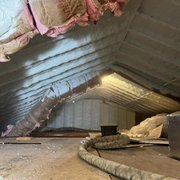
Confirm electrical capacity and condensate routing before parts are ordered. If your panel is near capacity, schedule the electrician to arrive the same day as equipment delivery. Flag attic access width and ladder ratings early to prevent last-minute scrambles. Capture HOA rules so the outdoor unit location and noise limits won’t trigger rework.
Choose materials and extras that fit the load and site
Reliable results come from matched components, not just the headline equipment. For details, visit HVAC any time between planning steps. Confirm line set lengths and diameter, then inspect flare points and chase paths for tight bends. Use proper pads, isolation feet, and whip lengths to control vibration and simplify service. Pick a drain safety switch if the air handler sits over finished space.
Consider filter access height during routine changes. A cramped closet often needs a media cabinet to cut resistance and extend filter life. Specify UV or coil protection only when justified to avoid needless power draw. Label disconnects and thermostats clearly to help future techs work faster and safer.
Sequence tasks and crew schedules to reduce delays
Good sequencing shrinks risk windows and keeps crews moving without backtracking. For smoother coordination, see HVAC while mapping your timeline. Stage the condenser pad and verify set level before equipment arrives. Secure permits before demo starts to keep the schedule clean. Stage tools and lifts near the work zone to reduce trips and dropped time.
Plan attic work for cooler hours or add fans. Removing the old air handler first creates space for safe footing and clean duct transitions. Schedule electricians for midday rough-in on disconnects and whips so refrigeration work proceeds in the afternoon. Finish with pressure testing, evacuation, and charge verification the same day to dodge return visits.
Verify performance and manage risk with field checks that matter
Every hour you invest in testing saves dollars later in callbacks. A helpful reference is HVAC when building your verification list. Start with nitrogen pressure tests and decay checks to catch tiny leaks before they hide under insulation. Pull a deep vacuum and confirm vacuum stability, then weigh in the charge, not just by sight. Use manufacturer charts for superheat and subcooling to validate performance under today’s weather.
Store serials, readings, and photos in a single file. Share a short turnover report that lists startup date, filter sizes, and breaker locations. Operate the condensate safety switch so the first overflow is a non-event, not drywall damage. Coach the homeowner on thermostat logic to prevent "short-cycle" complaints.
Balance costs with value while avoiding costly surprises
Spending smarter means funding the items that move the needle most. For quick comparisons, check HVAC during estimates and revisions. Put money into sealed ducts, proper line set work, and solid mounting over flashy add-ons. Choose warranty tiers that match system duty and avoid buying features you will rarely use. Hold a small contingency for panel upgrades or damaged attic decking.
Request itemized quotes to see labor and materials clearly. This makes apples-to-apples comparisons easier across brands and models. If a quote feels vague, ask for line-by-line specifics. Tiny clarifications now prevent outsized overruns later and keep the finish date intact.
Conclusion
Quality-first projects thrive on steady planning, clean inputs, tight schedules, and checks that prove performance. When each step chips away at risk, the whole job moves faster. You maintain budget control, protect your home, and avoid repeat visits that drain patience. Use this approach to bring cool air online with confidence.