
When hair loss strikes, it can shake your confidence and alter how you see yourself in the mirror. Imagine waking up to a fuller head of hair that looks completely natural— that's the promise of a well-chosen hair restoration solution. Hair transplant Riyadh(زراعة شعر الرياض) This guide dives deep into the key factors for selecting the right approach, empowering you to make informed decisions. Whether you're dealing with receding hairlines, thinning crowns, or patchy bald spots, understanding these elements ensures you achieve lasting, satisfying results. Let's explore what truly matters.
Hair loss affects millions worldwide, from stress-induced shedding to genetic patterns like male or female pattern baldness. Hair transplant in Riyadh emerges as a popular, effective solution for those seeking permanence over temporary fixes like wigs or medications. This procedure relocates healthy follicles from donor areas to balding spots, promising natural growth. In a city like Riyadh, where modern clinics blend advanced tech with expert care, it's gaining traction for its precision and minimal downtime. Boldly stepping into this option could transform your look and boost your self-esteem.
Understanding Hair Transplant Basics
Start with the fundamentals: a hair transplant involves harvesting hair follicles—typically from the back or sides of your scalp—and implanting them into thinning areas. This surgical artistry mimics natural growth patterns, ensuring seamless integration. Unlike topical treatments that merely slow loss, transplants deliver living, growing hair that withstands time.
Techniques have evolved dramatically. Follicular Unit Transplantation (FUT) strips a donor area for grafts, ideal for extensive coverage. Follicular Unit Extraction (FUE), on the other hand, extracts individual follicles, leaving no linear scars—perfect for shorter hairstyles. Both methods prioritize density and natural angles, but your hair type and goals dictate the best fit.
Why Consider a Hair Transplant Now?
Today's advancements mean quicker recovery and hyper-realistic outcomes. Picture follicles thriving years later, defying further balding. Patient stories abound: executives reclaiming sharp hairlines, women restoring post-pregnancy volume. If medications like minoxidil frustrate you with inconsistent results, this permanent fix beckons.
Factor 1: Your Hair Loss Pattern and Stage
Not all baldness is equal—assess yours first. The Norwood scale for men maps progression from slight recession to full crowns. Women use the Ludwig scale for diffuse thinning. Early intervention preserves more donor hair, maximizing coverage.
Consultations reveal if you're a prime candidate. Stable loss patterns yield superior results; aggressive balding might need phased approaches. Donor density matters too—robust back-of-head hair ensures plentiful grafts. Ignoring this factor risks patchy outcomes, so map your pattern precisely.
Matching Techniques to Your Pattern
FUE shines for early-stage recession, offering precision without stitches. FUT suits advanced cases needing 3,000+ grafts. Hybrid methods combine both for optimal density. Tailoring to your stage prevents over-harvesting and promotes even regrowth.
Factor 2: Scalp and Hair Characteristics
Your scalp's elasticity, skin tone, and curl pattern influence success. Oily scalps heal faster but risk inflammation; dry ones need gentle handling. Curly hair hides grafts better, while straight strands demand meticulous angle placement.
Ethnicity plays a role—Afro-textured hair thrives with specialized tools to avoid transection. Test elasticity during evaluation; lax scalps accommodate more grafts. This personalization ensures transplanted hair blends invisibly, dodging unnatural looks.
Donor Area Quality Check
Examine your donor zone under magnification. High-density, fine-haired donors fuel dense transplants. Low yield? Consider body hair options. Quality over quantity guarantees resilience against future thinning.
Factor 3: Experience of the Specialist Team
Surgeons aren't created equal—seek those with thousands of cases. Look for macro and micro skills: designing hairlines that frame your face artistically, placing grafts at perfect depths. Team coordination matters; nurses handling extraction amplify precision.
Certifications from bodies like the International Society of Hair Restoration Surgery signal excellence. Before-and-after galleries reveal consistency across diverse patients. A seasoned team turns complex cases into triumphs.
Red Flags to Avoid
Beware overly promotional pitches or rushed evals. True experts spend hours planning, using 3D simulations for previews. Prioritize artistry over speed—your hairline is a lifelong signature.
Factor 4: Technology and Clinic Standards
State-of-the-art tools elevate results. Robotic systems like ARTAS enhance FUE accuracy, minimizing human error. LED therapy speeds healing; PRP injections supercharge graft survival.
Sterile environments with HEPA filtration slash infection risks. Clinics investing in magnification loupes ensure follicle integrity. Cutting-edge tech isn't hype—it's your edge for superior density and speed.
Post-Procedure Support Systems
Follow-up protocols seal the deal. Weekly checks monitor growth; customized serums nurture follicles. Clinics offering laser caps for stimulation extend benefits.
Factor 5: Realistic Expectations and Timeline
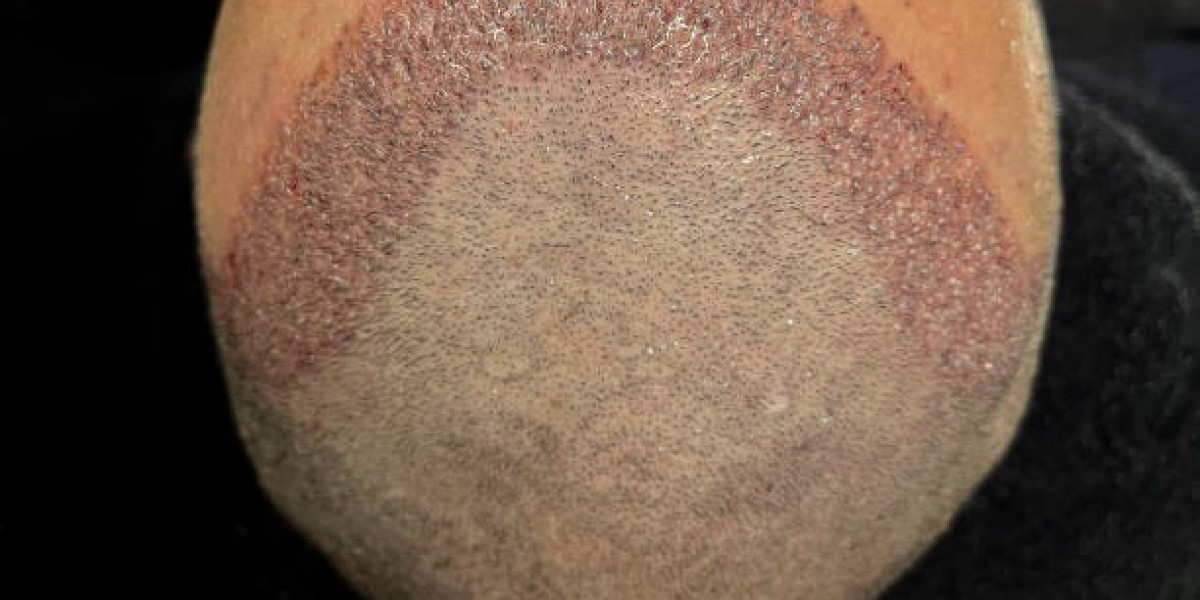
Patience is key—shedding occurs at 2-4 weeks, with new growth from month 3. Full density arrives by 12-18 months, mimicking natural cycles. Set sights on 60-80% improvement, not miracles.
Manage downtime: swelling fades in days, scabs by week two. Resume work swiftly with FUE. Align expectations with previews to celebrate progressive wins.
Lifestyle Factors for Success
Quit smoking pre-op; it constricts vessels, starving grafts. Nutrition rich in biotin and zinc fuels regrowth. Stress management sustains results long-term.
Hair transplant in Riyadh stands out for its fusion of global standards and local expertise, drawing seekers of transformative care.
Your Path to Confident Hair Restoration
Weighing these factors—pattern, scalp traits, team prowess, tech, and mindset—unlocks the ideal hair transplant. It's not just surgery; it's reclaiming vitality. Start with a detailed assessment to align choices with your unique profile.
Ready to take the next step? Book an appointment consultation clinic at Enfield Royal Riyadh (إنفيلد رويال الرياض) for personalized guidance.
FAQs
What makes someone a good candidate for hair transplant in Riyadh?
Ideal candidates have stable hair loss, ample donor hair, and realistic goals. Ages 25-60 often qualify, with good scalp health boosting success rates.
How long does recovery take after a hair transplant?
Most return to normal activities in 7-10 days. Full results unfold over 12 months, with minimal discomfort managed by simple aftercare.
Is FUE or FUT better for hair transplant procedures?
FUE offers scar-free recovery for short hair; FUT provides more grafts for larger areas. Your pattern and style preferences decide.
Can hair transplants treat all types of baldness?
They excel for androgenetic alopecia but less so for diffuse unpatterned loss. Consultations pinpoint suitability.
Do transplanted hairs fall out permanently?
No—after initial shedding, they regrow permanently, resistant to DHT hormones causing balding elsewhere.