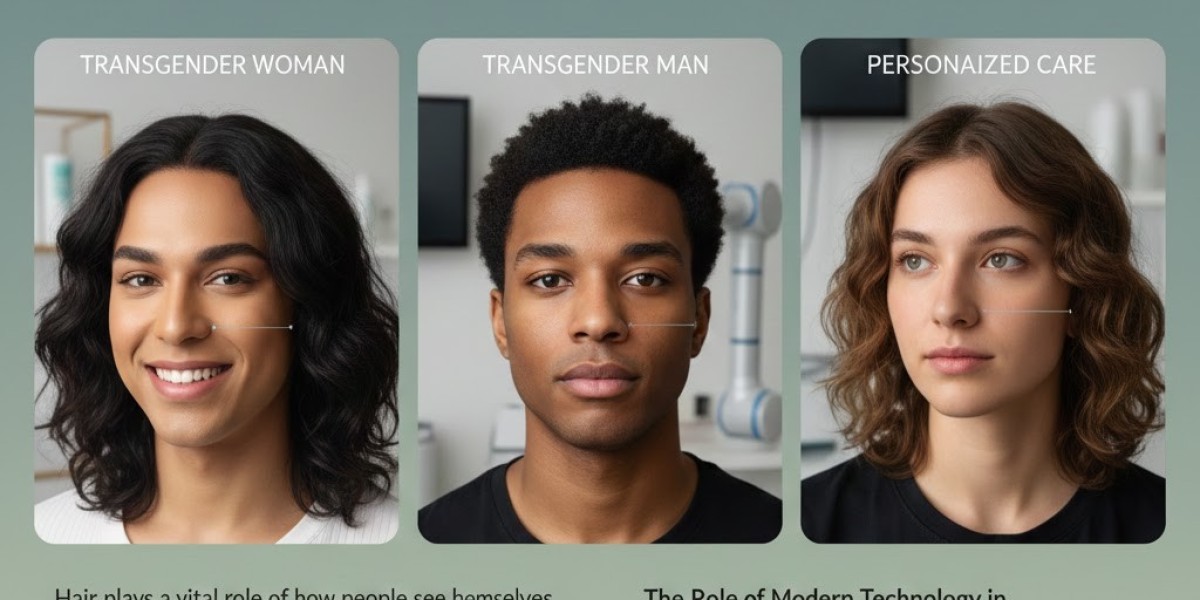

Hair plays a vital role in how people see themselves and how they are perceived by others. For transgender individuals, hair loss can feel especially challenging, as it may conflict with gender identity and self-expression. A hair transplant transgender approach focuses on more than restoring hair density—it emphasizes creating results that support confidence, comfort, and alignment with personal transition goals.
Advancements in medical hair restoration have made it possible to deliver precise, natural-looking outcomes for transgender men and women. With modern technology, skilled planning, and an understanding of hormonal influences, hair transplantation has become a powerful part of gender-affirming care.
Hair Loss Patterns in Transgender Patients
Hair loss among transgender individuals can vary widely depending on genetics, hormone therapy, age, and previous medical history.
Transgender women often experience male-pattern hair loss that began before transition or during early hormone therapy. Even when testosterone is suppressed, recession at the temples or thinning at the crown may remain. Transgender men, on the other hand, may notice increased shedding or hairline changes after starting testosterone, particularly if there is a family history of hair loss.
Because of these differences, a hair transplant plan for transgender patients must consider both current hair loss and future changes related to ongoing hormone therapy.
Why Hair Transplant Planning Is Different for Transgender Patients
Standard hair transplant techniques are not always sufficient for transgender individuals. Gender-affirming hair restoration requires a deeper understanding of facial proportions, hairline aesthetics, and long-term goals.
For transgender women, hairline design often focuses on lowering the hairline, softening temple recession, and creating a rounded, feminine shape. For transgender men, the approach may involve reinforcing a stronger, more angular hairline while maintaining natural density.
The success of a hair transplant transgender procedure depends heavily on careful design, donor hair management, and precise graft placement.
The Role of Modern Technology in Hair Transplantation
Advanced technology has transformed hair restoration, making procedures safer, more accurate, and more predictable.
One of the most significant developments in recent years is the artas robotic hair transplant system. This technology assists surgeons in identifying healthy follicles and extracting them with precision. By minimizing human error and reducing trauma to the donor area, robotic assistance helps preserve long-term hair health.
Robotic systems also support consistent graft quality, which is essential for transgender patients who may require detailed hairline reshaping or dense packing in visible areas.
The Hair Transplant Process Explained
A hair transplant procedure typically begins with a detailed consultation. During this stage, the medical team evaluates scalp health, donor hair availability, and aesthetic goals. Digital imaging may be used to visualize potential outcomes.
On the day of the procedure, hair follicles are extracted from donor areas, usually at the back or sides of the scalp. These follicles are then implanted into thinning or receding areas following a carefully planned pattern. Local anesthesia ensures comfort throughout the process.
Recovery is usually straightforward, with most patients returning to daily activities within a few days. New hair growth begins gradually, with noticeable improvement appearing over several months.
Combining Hair Transplants With Hormone Therapy
Hormone therapy can influence hair growth and shedding cycles. Estrogen and anti-androgens may help stabilize hair loss in transgender women, while testosterone can accelerate hair thinning in transgender men.
A well-planned hair transplant transgender strategy considers these hormonal effects to ensure long-lasting results. In some cases, medical treatments may be recommended alongside surgery to maintain density and protect non-transplanted hair.
Emotional Impact and Quality of Life Improvements
Hair restoration can have a meaningful emotional impact for transgender individuals. Feeling confident in one’s appearance often contributes to reduced dysphoria, improved self-esteem, and greater comfort in social settings.
Patients frequently report that hair restoration helps them feel more aligned with their identity, making daily interactions and personal milestones more positive experiences.
Long-Term Results and Expectations
Hair transplant results develop over time. Initial shedding of transplanted hairs is normal, followed by steady regrowth. Full results typically become visible within 9 to 12 months.
When performed correctly, transplanted hair is permanent. However, ongoing hair loss in untreated areas may occur, which is why long-term planning and follow-up care are essential.
Importance of Choosing the Right Clinic
Selecting a clinic with experience in transgender hair restoration is critical. Beyond technical skill, patients benefit from working with professionals who understand the emotional and personal aspects of gender-affirming care.
A supportive, respectful environment ensures that patients feel heard and confident throughout the treatment process.
Frequently Asked Questions
Is a hair transplant suitable for all transgender patients?
Most patients are good candidates, but eligibility depends on donor hair availability, scalp health, and overall medical condition.
Does robotic technology replace the surgeon?
No. Robotic systems assist with precision, but experienced surgeons guide planning, design, and implantation.
Will the transplanted hair grow naturally?
Yes. Once healed, transplanted hair grows like natural hair and can be styled normally.
How soon can I return to work after the procedure?
Many patients return to non-strenuous work within a few days.
Can additional procedures be done in the future?
Yes. Some patients choose follow-up sessions to enhance density or address new areas of thinning.
Conclusion
A hair transplant transgender approach offers more than cosmetic improvement—it provides a pathway toward confidence, comfort, and self-alignment. With advanced technology, thoughtful planning, and medical expertise, transgender individuals can achieve natural, lasting results that support their personal journey. Understanding hormonal influences and choosing the right care team are key to long-term success.
If you are exploring hair transplant options as part of your transition or personal care plan, expert guidance is essential. At ZMD Hair, we offer advanced hair restoration solutions tailored to individual needs and goals. Schedule your consultation today and take a confident step forward.