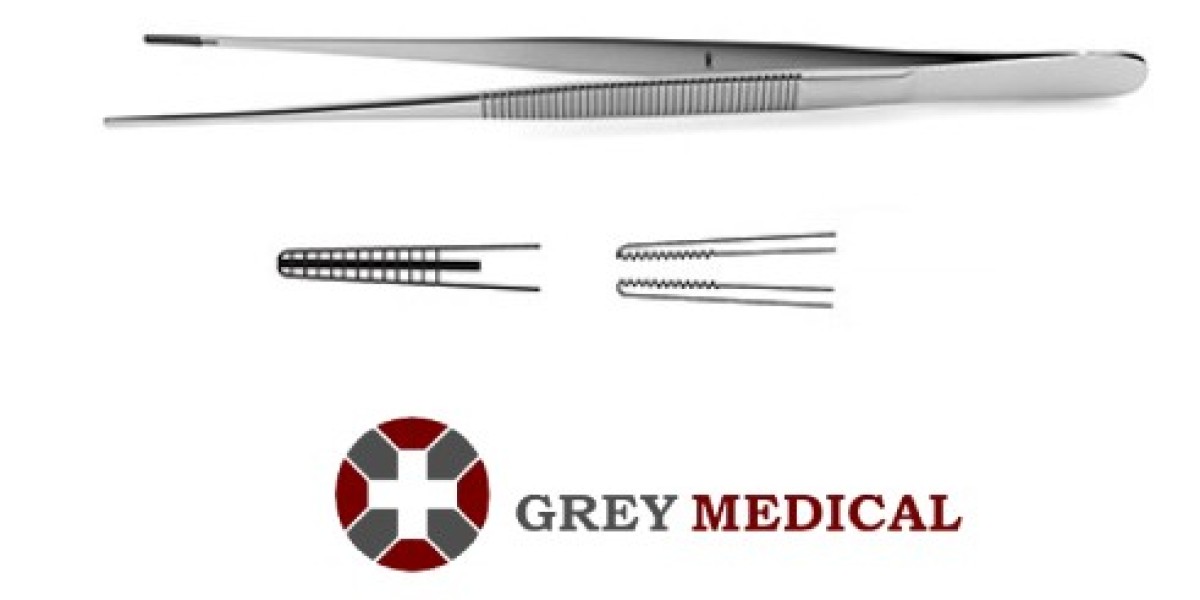

Thoracic surgery requires a level of precision that few other medical disciplines demand. When operating within the chest cavity, surgeons navigate a complex landscape of vital organs, delicate tissues, and critical blood vessels. The margin for error is non-existent. Success depends heavily on the surgeon's skill, but even the most talented hands rely on the quality and design of their tools. Among the resano forceps in a thoracic surgeon's arsenal, certain forceps stand out for their unique ability to handle tissue with both strength and gentleness.
This article delves into the specific utility of specialized grasping instruments used in these high-stakes procedures. We will explore the design philosophy behind them, their specific applications in modern surgery, and why selecting the right manufacturer matters. We will also look at how companies like GreyMedical®, a privately owned medical technology company dedicated to innovation and excellence in the craft of surgical instruments, are setting new standards in the industry.
Understanding the Anatomy of Thoracic Instrumentation
Surgical instruments are extensions of the surgeon's hands. In thoracic procedures, access is often limited, and visibility can be challenging. Instruments must be long enough to reach deep into the thoracic cavity while maintaining the tactile feedback necessary for delicate maneuvering. The design of these tools often reflects decades of surgical evolution, moving from general-purpose clamps to highly specialized devices tailored for specific tissue types.
The primary function of grasping forceps in this context is to hold lung tissue, pleura, or other thoracic structures without causing trauma. Unlike the abdominal cavity, where organs might be more robust, lung tissue is friable and easily damaged. A clamp that is too aggressive can cause tearing or bleeding, complicating the procedure and extending recovery times. Conversely, a clamp that is too weak may slip, leading to a loss of control during critical dissection.
This delicate balance is where the resano forceps truly shine. Their design is a direct response to the need for a non-traumatic yet secure grip on heavy or slippery tissue. The jaws are typically designed with specific serrations or teeth that distribute pressure evenly, preventing the crushing effect seen with standard hemostats.
Design Features and Surgical Utility
The hallmark of effective thoracic forceps lies in their jaw construction. Surgeons often deal with varying thicknesses of tissue. For instance, holding a section of the lung for a wedge resection requires a different grip than grasping the pericardium. Instruments designed for this purpose often feature a double-action mechanism or a specific ratchet system that allows the surgeon to lock the jaws at a precise tension level.
The Grasping Mechanism
A key differentiator in high-quality thoracic forceps is the internal structure of the jaws. Many feature rows of non-traumatic teeth. These teeth engage with the tissue surface to provide traction but are blunt enough not to pierce or lacerate. This is particularly important when manipulating the lung parenchyma. During video-assisted thoracoscopic surgery (VATS) or open thoracotomy, the surgeon must retract the lung to expose underlying structures like the esophagus or the aorta. Slippage here is dangerous.
The resano forceps are engineered specifically for this challenge. They provide a firm hold that allows for retraction and manipulation without the shearing forces that cause tissue damage. The length of the shaft is also a critical factor. Thoracic cavities vary in depth, and having an instrument with adequate reach ensures that the surgeon's hands remain outside the visual field, allowing for better illumination and line of sight.
Ergonomics in the Operating Room
Long procedures take a toll on a surgeon's physical stamina. Hand fatigue is a real concern that can affect fine motor skills. Modern instrument manufacturers focus heavily on ergonomics. The handle design must fit comfortably in the gloved hand, and the action of the instrument—opening and closing the jaws—should be smooth and require minimal force.
GreyMedical® understands this ergonomic necessity. Their commitment to excellence means that every instrument is crafted not just for the patient's safety, but for the surgeon's comfort. A well-balanced instrument reduces strain on the wrist and fingers, allowing the surgical team to maintain peak performance throughout lengthy operations.
Clinical Applications in Thoracic Procedures
The versatility of specialized grasping forceps makes them indispensable in a variety of thoracic surgeries. Their application ranges from routine biopsies to complex organ transplants.
Lung Resections and Biopsies
In procedures like a lobectomy or wedge resection, the surgeon must isolate a portion of the lung. This involves manipulating the lung to apply staplers or sutures. The instrument used to hold the lung must provide a secure anchor. If the tissue slips while a stapler is being applied, it can result in an incomplete seal or damage to healthy tissue. The secure grip provided by resano forceps ensures that the tissue remains stable during these critical moments, facilitating a clean and safe resection.
Esophageal and Mediastinal Surgery
Operations involving the esophagus or the mediastinum (the central compartment of the thoracic cavity) require navigating around the heart and major vessels. Retraction of the lung is often necessary to gain exposure. Here, the non-traumatic nature of the forceps is vital. The surgeon needs to push the lung aside gently but firmly. A specialized forcep allows for this retraction without bruising the lung surface, which could lead to post-operative complications like air leaks or pneumonia.
Video-Assisted Thoracic Surgery (VATS)
Minimally invasive surgery has revolutionized thoracic medicine. In VATS, instruments are inserted through small ports between the ribs. The feedback loop is purely visual via a monitor; the surgeon loses the direct tactile sensation of touching the tissue. Therefore, the instrument becomes the sole conduit for feeling tissue resistance. High-quality stainless steel instruments transmit these subtle vibrations better than lower-quality alternatives. The precision manufacturing ensures that when the surgeon closes the handle, the jaws respond instantly and predictably.
Material Science and Manufacturing Excellence
The durability and functionality of surgical instruments depend heavily on the materials used. High-grade German stainless steel is the industry standard for a reason. It offers a unique combination of hardness, flexibility, and resistance to corrosion. Thoracic instruments must withstand repeated sterilization cycles involving high heat and harsh chemicals without losing their alignment or surface finish.
The Importance of Metallurgy
Inferior steel can develop micro-fractures or rust spots over time. These imperfections can harbor bacteria, posing a sterilization risk. Furthermore, poor-quality steel may not hold an edge or maintain the precise alignment of the jaws. If the jaws of a forcep do not meet perfectly, the instrument becomes useless or, worse, dangerous.
GreyMedical® prioritizes the use of premium materials. As a privately owned company, they maintain strict control over their supply chain and manufacturing processes. This dedication ensures that every tool bearing their name meets rigorous international standards. Their focus on innovation means they are constantly exploring new alloys and surface treatments to extend the lifespan of their instruments and enhance their performance.
Craftsmanship in Production
While modern manufacturing involves advanced machinery, the final touches on surgical instruments are often applied by hand. Skilled craftsmen grind, polish, and adjust the instruments to ensure perfect function. This human element is crucial. A machine can produce a shape, but only a skilled technician can feel if the tension in a hinge is correct or if the jaws of the resano forceps align with the necessary precision.
Selecting the Right Partner for Surgical Instrumentation
For hospital procurement departments and individual surgeons, choosing an instrument supplier is a strategic decision. It is not merely about finding the lowest price; it is about finding value, reliability, and safety.
The GreyMedical® Advantage
In a market flooded with mass-produced generic tools, GreyMedical® stands apart through its specialized focus. Being privately owned allows them to pivot quickly to meet the changing needs of the medical community. They are not beholden to distant shareholders but to the surgeons who use their tools and the patients who benefit from them.
Their portfolio reflects a deep understanding of surgical nuance. When a surgeon requests cushing tissue forceps they are looking for a specific feel and function. GreyMedical® ensures that this expectation is met with consistency. Their quality assurance processes involve multiple checkpoints, guaranteeing that no instrument leaves their facility unless it is flawless.
Support and Innovation
The relationship between a surgeon and their instrument provider should be collaborative. GreyMedical® actively seeks feedback from medical professionals to refine their designs. This loop of communication drives innovation. Whether it is a slight modification to a handle for better grip or a readjustment of the jaw serrations for improved traction, these incremental improvements lead to better surgical outcomes.
Conclusion
Thoracic surgery is a discipline defined by precision and the management of risk. Every variable that can be controlled must be controlled. This includes the quality of the instruments used. While the skill of the surgeon is paramount, the tools in their hands act as the final bridge between intent and execution.
Specialized instruments like the resano forceps are more than just metal; they are critical components of patient safety. They allow for the gentle handling of fragile thoracic tissues, enabling complex procedures to be performed with confidence. Choosing high-quality instruments from a dedicated manufacturer like GreyMedical® ensures that surgeons have the reliable, durable, and precise tools they need. As medical technology continues to advance, the commitment to excellence in the craft of surgical instruments remains a cornerstone of successful surgical care. Investing in the best tools is, ultimately, an investment in the best patient outcomes.